Hovawart: temperament, guarding instinct, training and family life with the German farm dog
The Hovawart is a large, long-coated working dog from Germany whose name means roughly "guardian of the farm". You get a strong, athletic and loyal dog in black and gold, black or blond, affectionate with its family and watchful about its home. It matures slowly, has a will of its own and takes guarding seriously, so visitors, the fence and the front door need a plan. What works is calm, consistent training from puppyhood, daily exercise with real work, careful socialization and an owner who leads without force.
Job: A German working dog, FCI Group 2; medium-long coat in black and gold, black or blond.
Energy: Loyal, confident and watchful; affectionate at home, reserved with strangers.
Home: Suits an experienced, calm owner who trains for years, not weeks.
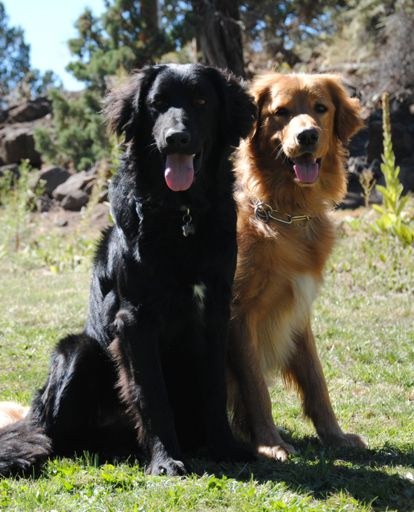
A Hovawart looks like a dark Golden Retriever and thinks like a farm guardian
People see a long-coated, friendly-looking dog and expect a big retriever that loves everyone. What arrives is a working dog that watches the gate, decides who belongs and has its own view on your rules.
In family homes I meet a dog that adores its people and is still a teenager at two years old. The hard parts are barking and patrolling at the fence, a cool or pushy reaction to visitors, pulling on the lead, testing rules during adolescence and dog-to-dog tension, especially between males.
My plan has four parts. Calm, consistent rules from the first day. Daily exercise that includes a job: search games, tracking or sport. Careful, positive socialization with people and dogs well into adulthood. And clear management at the door and fence, so the dog does not have to guard on its own.
FCI: males 63–70 cm (about 25–27.5 in), females 58–65 cm (about 23–25.5 in)
Weight
About 55–90 lb (about 25–40 kg)
Energy
High; needs long daily exercise and work, calm at home when settled
Coat / shed
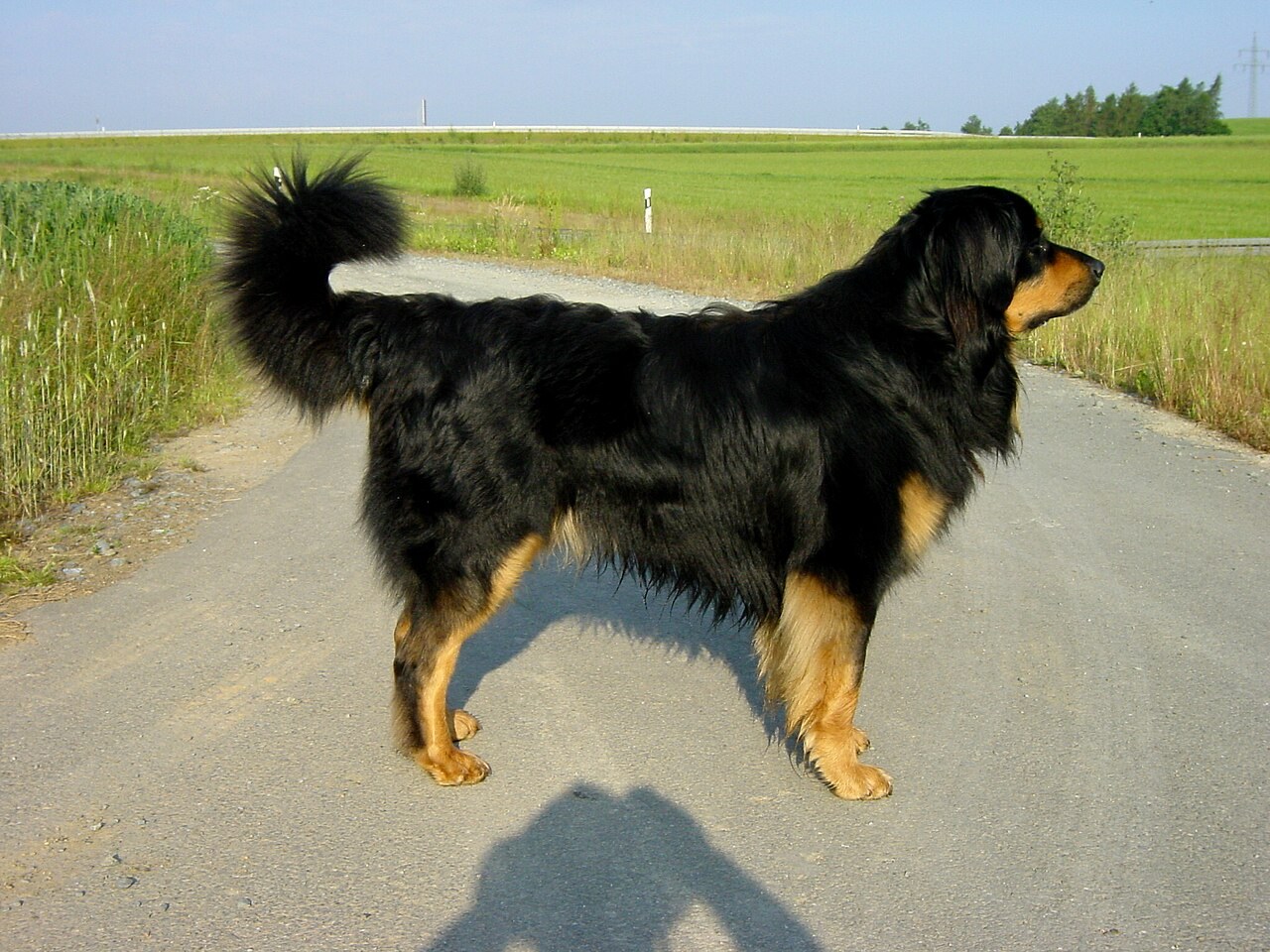
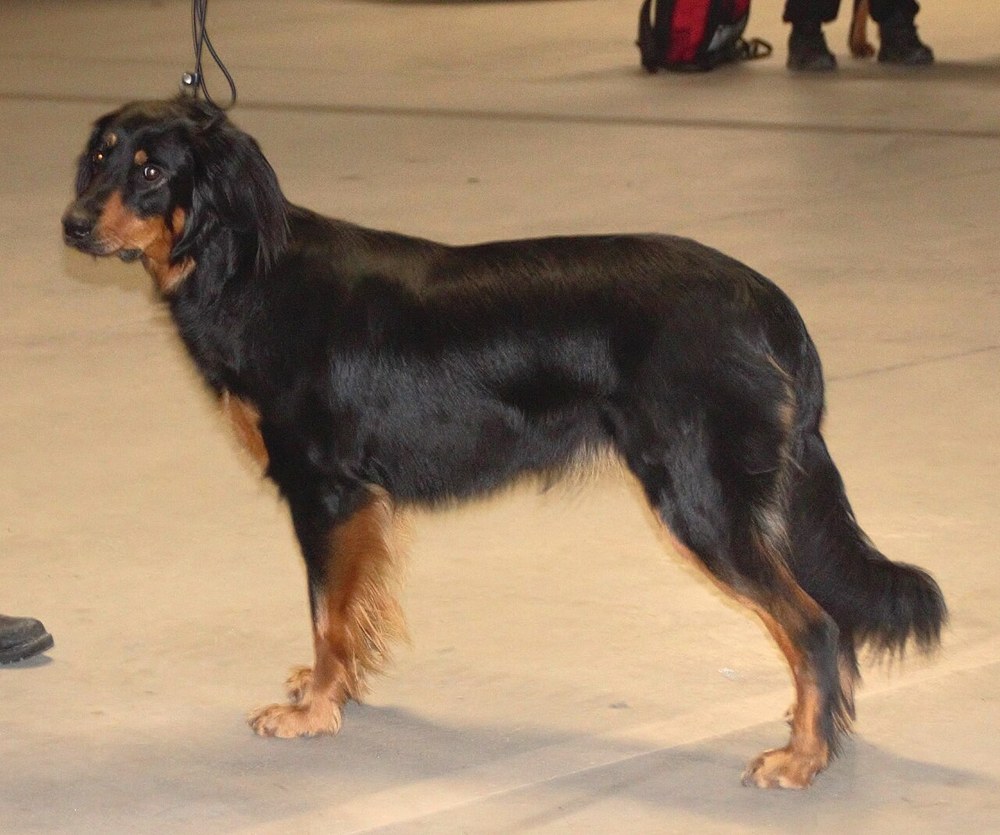
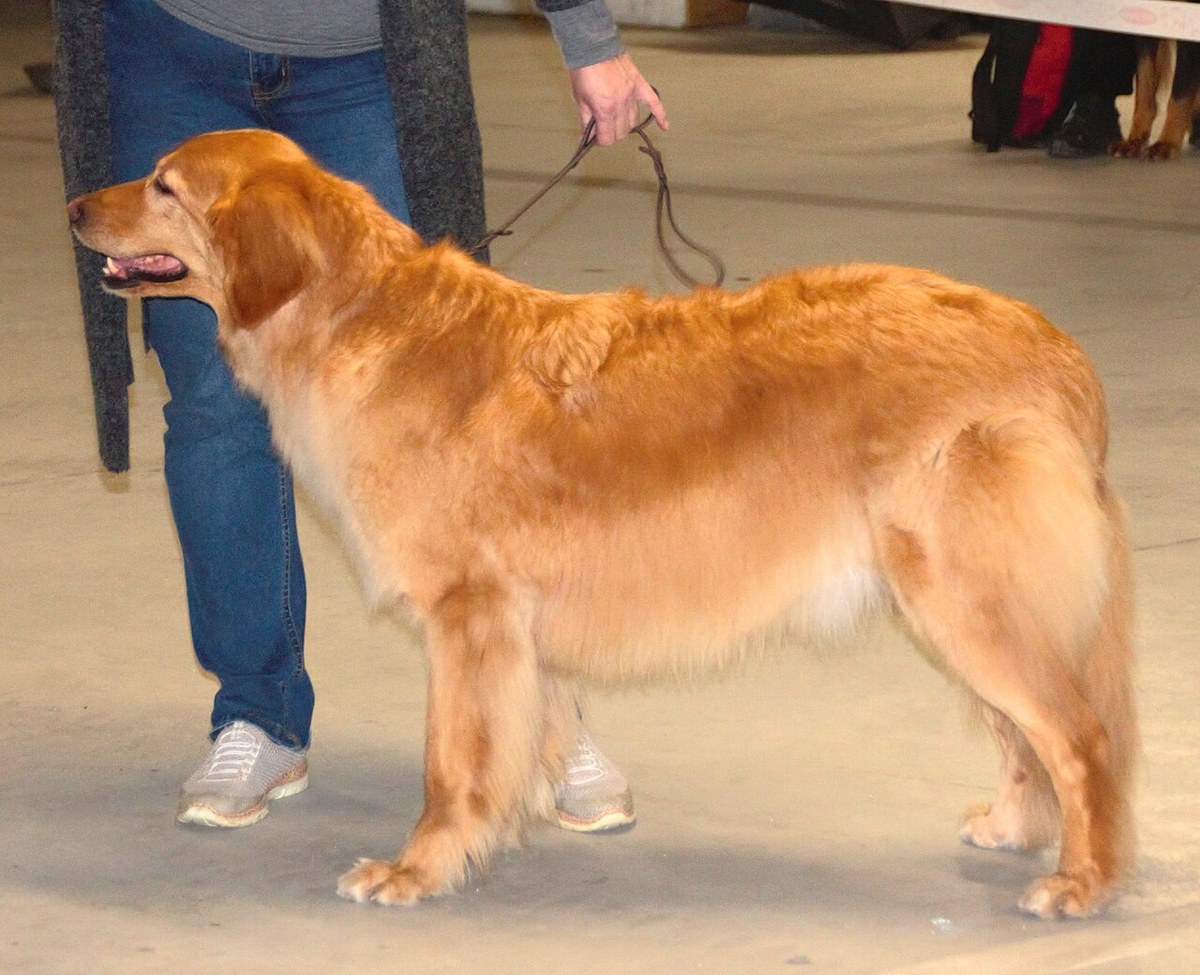
Medium-long, slightly wavy coat lying close to the body, with little undercoat; black and gold, black or blond
Job
Farm guardian and working dog (FCI Group 2)
Temperament in one minute
Hovawart temperament: what they are like at home
Short answer: Hovawarts are loyal, confident and watchful working dogs that are affectionate and playful with their family and reserved with strangers. They guard their home and garden by instinct, mature slowly, often over two to three years, and test rules as teenagers. Some do not like strange dogs of the same sex. They need long daily exercise with real work, calm and consistent training without force, careful socialization and an owner who manages visitors and the fence.
Are Hovawarts affectionate?
Yes, with their own people. Most want to be with the family. Build short absences early.
Are Hovawarts easy to train?
They learn well with food and play but think for themselves. Keep training fair; start with a hand target and a door wait.
Are Hovawarts friendly with strangers?
Reserved and watchful. Guests who sit down and leave the dog alone get the best result; see guest entry steps.
Are Hovawarts good with kids and other dogs?
Usually yes with children and dogs they know; some adults dislike strange dogs of the same sex. See children and guests.
Hovawart behavior problems to expect
The usual four are barking and blocking at the door, patrolling the fence, pulling on the lead and tension with strange dogs. The list further down links a guide for each.
Living with a Hovawart in an apartment
Hard but possible with a lot of outdoor exercise. Most do better with a house, a fenced garden and an owner who goes outside with them.
Breed history
How a medieval farm dog was rebuilt in the 20th century
The history will not train your dog, but it explains the guarding instinct, the slow maturity and the loyalty to one home.
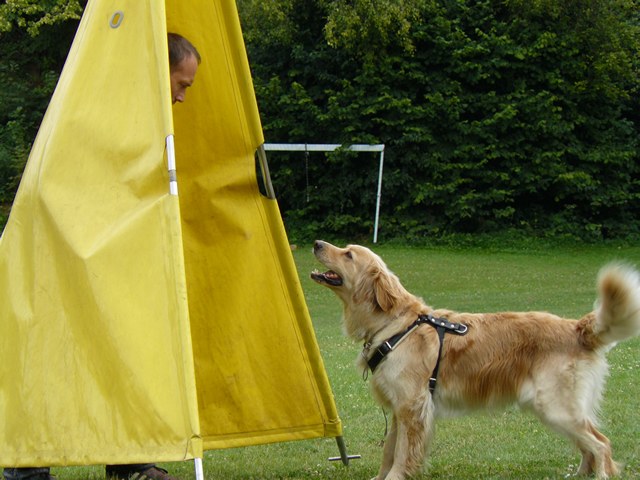
A blond working Hovawart at a training field: many of these dogs enjoy search, tracking and obedience work.
Germany · medieval farms
An old name for a farm guardian
Dogs called "hofwarth" or similar names appear in German texts from the Middle Ages. They were farm and estate dogs that guarded the yard, the animals and the family.
How closely those old dogs match today's breed is not clear. Treat the medieval link as background, not as a pedigree.
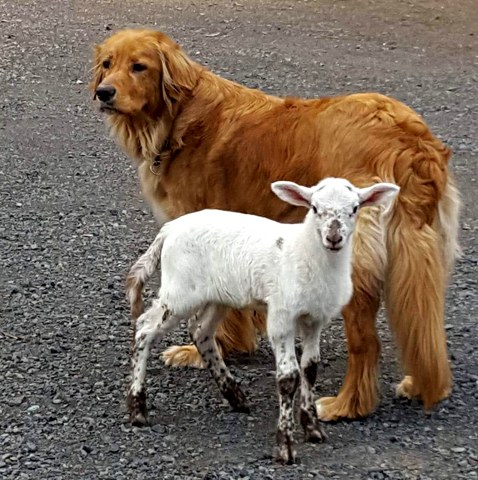
A blond Hovawart beside a lamb: the breed was made for farms, where it lived alongside animals and people.
From the 1920s
Rebuilt from farm dogs
In the 1920s German breeders, led by Kurt Friedrich König, set out to bring back the old farm dog type, starting from farm dogs of the Black Forest and Harz regions and a few other breeds. The breed was recognized in Germany in 1937.
The FCI accepted the Hovawart in 1964. Today it is popular in Germany, Scandinavia and other parts of Europe and still fairly rare in North America.
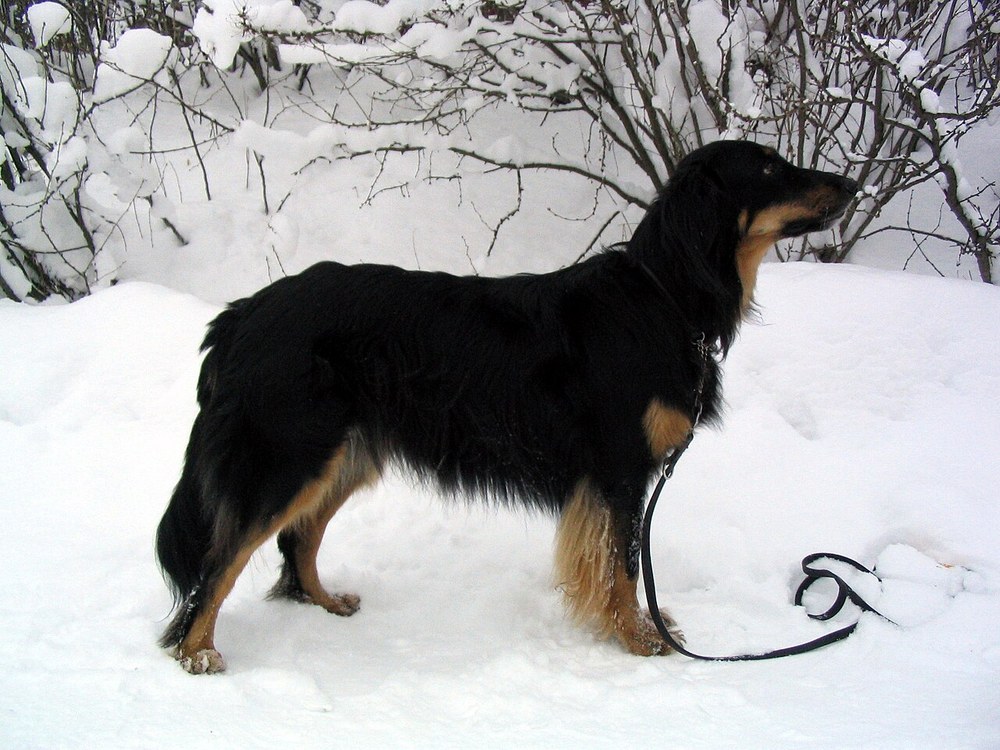
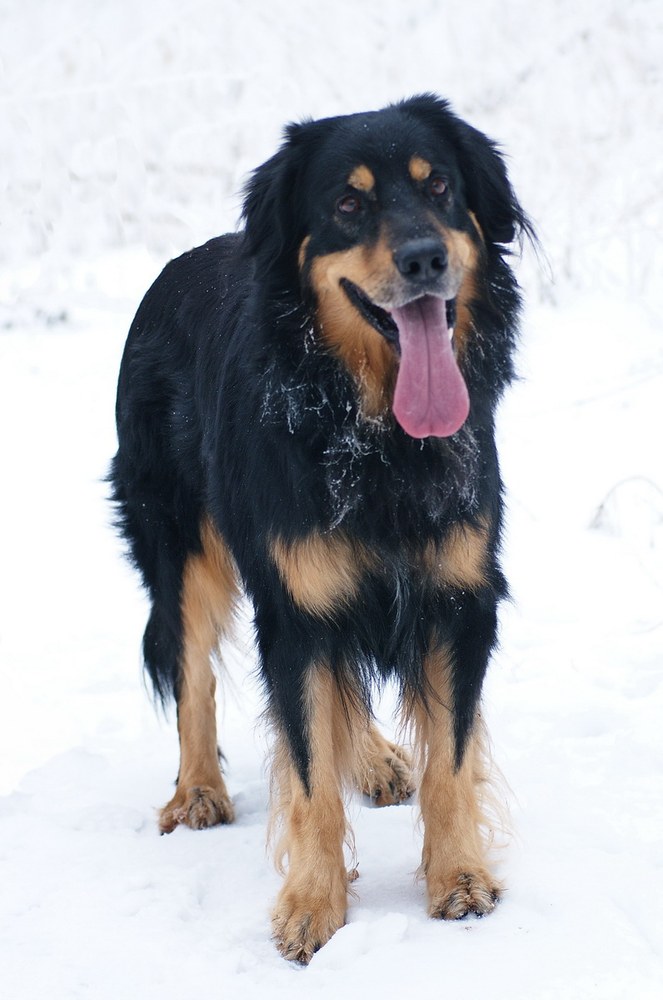
A six-year-old Hovawart in the Finnish snow: the breed is common in Scandinavia and copes well with cold.
What the breed was bred for
Gentle at home, watchful at the gate
Day to day you live with an affectionate, playful dog that wants to be near its family and is often good with children it knows.
The same dog takes the house and garden seriously. It notices strangers and cars, reports them and may step between a visitor and the family. With clear rules and training that watchfulness stays calm.
A good day has a long walk, a nose game and calm time with the family
Most adult Hovawarts do well with an hour and a half or more of walking, running and play, plus a search game or short training session. Trouble usually starts when the dog has too little to do and too much responsibility: long hours in the garden, guarding the fence or meeting visitors alone.
Morning · walk
A big walk with a little job
Mix steady walking with a few recalls, a short search for a hidden toy and some calm lead work. A Hovawart that gets to use its nose and its head comes home more settled than one that only runs.
Many Hovawarts test rules between one and three years old. Keep the same calm rules, reward good choices and avoid fights over the sofa or toys. A teenager that is handled fairly grows into a steady adult.
A Hovawart alone in the garden soon starts patrolling and barking at everything outside. Go out with the dog, call it away after a bark or two, and bring it inside instead of leaving it to handle passers-by.
Put the dog on its bed or behind a gate before you open the door. Let guests come in and sit down, then let the dog greet calmly. A dog that sees you take charge of the door has less reason to do it itself.
Some adult Hovawarts, males in particular, do not like strange dogs of the same sex. Meet other dogs on walks side by side, keep greetings short and choose steady dogs for play rather than busy dog parks.
General awareness only. I am not a veterinarian. With Hovawarts, owners often spot trouble first as stiffness after exercise, a change in gait, skin or coat changes or a dog that suddenly gets grumpy. For red flags, leave this page and open
when to call the vet.
Joints and movement
A large dog that grows slowly; ask your vet about exercise for a growing puppy. Stiffness or a new limp should see a vet. See limping stop list.
Coat and skin
Brush weekly and check for mats behind the ears and on the legs, plus ticks after walks.
Weight
Keep the dog lean, especially while it grows. See BCS check at home.
After exercise
Rest after big meals and hard exercise, and offer water in small amounts. See water after exercise.
Handling for the vet
Practise calm handling and muzzle comfort early with a strong, watchful dog.
Ask the breeder
Ask which screenings the national breed club requires for the parents, and ask to see the results. Do not invent disease claims from a blog.
Lines and types
Every Hovawart needs calm leadership and years of socialization
No bloodline selling. In Europe most Hovawarts come from club breeders with strict health and temperament rules. Some dogs are softer and more open, others bolder and more guarding. Meet the mother if you can and watch how she reacts when you come through the gate.
Family companion homes
Long daily walks with search games.
Calm, consistent house rules.
Managed doors and fence.
Steady dog friends, not dog parks.
Suits an active, calm family that likes training and will stay consistent through the teenage years.
Working and sport homes
Tracking, search or obedience.
Rescue dog or mantrailing groups.
Regular training with a club.
Rest after big days.
Suits an owner who wants a long-term working partner and enjoys training for its own sake.
Socialization windows
What to introduce — and what not to overload — by age
AVSAB-aligned in spirit: short, clean exposures at a distance the puppy can still eat,
with hygiene while vaccines finish. See the
puppy socialization schedule.
2–4 months
Settling in and friendly visitors
Introduce: calm visitors who let the puppy come to them, short car rides, gentle handling, the toilet spot, short spells alone.
Do not overload: long walks or stairs for a big growing puppy, rough play with large dogs.
~6 months
Growing fast
Introduce: recall games, waiting at doors, short calm walks, play with steady adult dogs, lead manners.
Do not overload: changing the rules from day to day, leaving it alone in the garden.
~12 months
Teenage watchdog
Introduce: door routines, a bed cue during visits, new places at quiet times, search games.
Do not overload: letting it patrol the fence, rewarding barking at passers-by.
~18–36 months
Slowly becoming an adult
Introduce: tracking or search work, longer walks, calm meetings with dogs on walks.
Do not overload: deciding the dog is aggressive because it still watches strangers first.
~3 years+
Maintenance
Introduce: daily walks with tasks, regular training, weekly brushing, yearly vet checks.
Do not overload: dropping training once the dog seems grown up.
Before you buy
Who a Hovawart usually fits
Fit comes down to your experience with large, strong-minded dogs, your time for exercise and training, how you will handle visitors and the fence and whether you can stay patient through a long teenage phase.
Good match
More likely a good fit if you…
You have lived with a large working dog before
You enjoy training and want a long-term project
You will keep calm, consistent rules
You have time for long daily walks and nose work
You want a loyal dog that is reserved with strangers
Mismatch risk
A Hovawart may be a poor choice if…
You want a dog that loves every visitor
You want a guard dog to protect your property alone
The dog would spend long days in the garden
You prefer harsh, correction-based training
You want a grown-up dog by the first birthday
If you are torn between breeds
Hovawart vs Golden Retriever and Bernese Mountain Dog
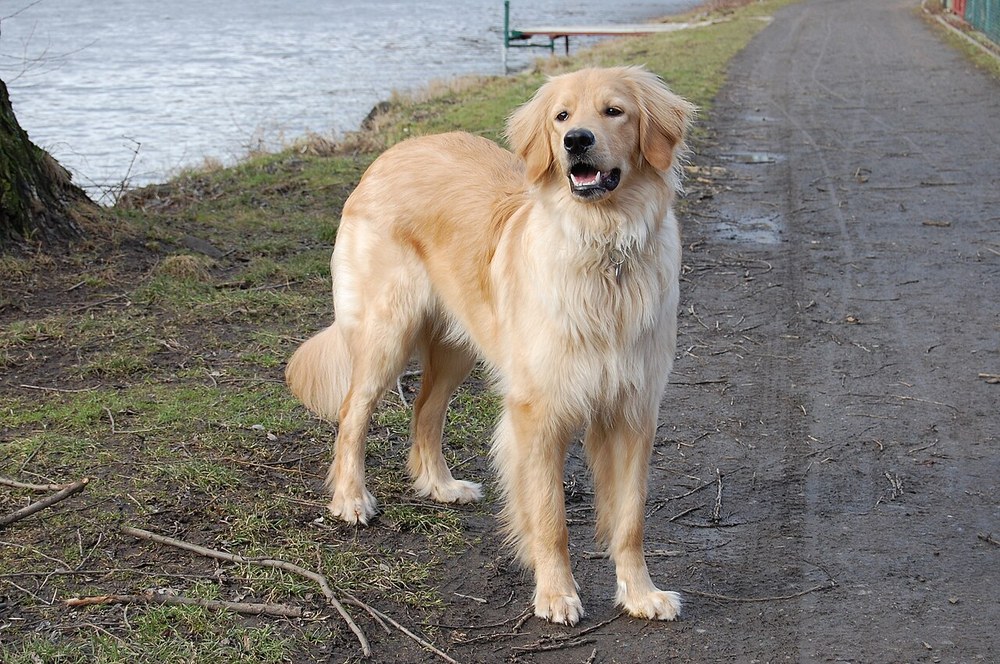
A blond Hovawart can look a lot like a Golden Retriever, and both it and the Bernese are big German or Swiss farm-type dogs. The Golden is far more open with strangers; the Bernese is heavier and calmer. The Hovawart is the athletic, watchful one that guards its home.
Strangers
Hovawart
Reserved, guards its home.
Golden Retriever
Usually friendly with almost everyone.
Build
Hovawart
Athletic and lighter.
Bernese Mountain Dog
Heavier, slower and more laid-back.
Energy
Hovawart
High; needs work.
Golden Retriever
Also active, more eager to please.
Coat
Hovawart
Medium-long, little undercoat.
Both compares
All three shed and need weekly brushing.
Ownership without surprises
Where a Hovawart owner’s budget goes
Costs depend on country, city and your choices. These are themes to plan for, not quotes.
Veterinary
Annual vet visits, the vaccines your vet recommends and the health tests the breed club requires.
Training
Puppy class, then a club or regular classes for several years.
Fencing
A secure fence and a gate system at the front door.
Food and treats
A large, active dog; food is a real monthly cost.
Company
A sitter or day care for long workdays, so the dog is not alone for hours.
Good training in the first two years saves far more than it costs; a large guarding dog without manners is hard to manage later.
Before day one at home
What to prepare for a Hovawart puppy
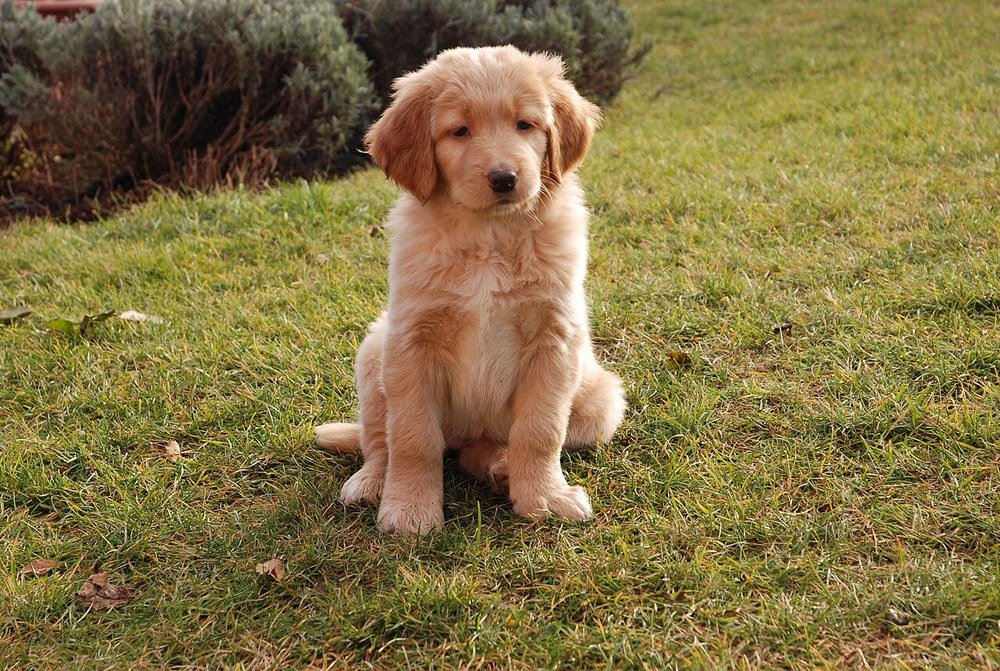
A Hovawart puppy is bold, playful and already watching who comes to the house. Have a bed spot, chews, a baby gate at the door and a few calm visitors lined up before it comes home.
Training a Hovawart means calm rules, real work and a plan for visitors
Five skills cover most of daily life: a recall you can trust, waiting at the door, settling on a bed when visitors come, one or two barks and then quiet, and calm walking past people and dogs.
Hovawarts learn well with food, play and praise, but they think about whether a cue makes sense. Keep training short, fair and consistent. Harsh corrections or fights over control make a strong dog more stubborn, not more polite.
Plan for the long run. This breed often needs two or three years to settle, and steady practice through the teenage months helps for the rest of the dog's life.
Load balance
Walks and nose work first, then visitors
Go easier with growing puppies, older dogs and hot weather. A limp, stiffness or sudden bad temper means a vet visit comes before more training.
Long walkSearch gameRecall practiceChew on the bedQuiet nap
For this breed, a tracking or search session tires the dog more than an extra hour of running.
A Hovawart with a job to do has less need to guard the house on its own.
Visitors at the door
How to help a Hovawart greet visitors calmly
Send the dog to its bed or behind a gate, open the door yourself, let the guest sit down, then release the dog for a calm hello and reward it for settling.
01
Bed or gate first
Send the dog to its bed or behind a gate before the door opens.
02
You open the door
Greet the guest yourself and let them come in.
03
Guest sits down
The visitor sits and ignores the dog for a minute.
04
Calm hello
Release the dog for a short, calm greeting.
05
Reward settling
Reward the dog for going back to its bed and lying down.
One scene close-up
Why a Hovawart cares who comes through the door
This breed was kept to watch the farm and the family. Noticing strangers and standing between them and its people is part of what it was bred for, so a few barks and a careful look at visitors are normal.
The aim is to show the dog that you handle the door. Put it on its bed or behind a gate first, let the guest come in and sit down, and only then let the dog say hello. Practise with friends who come round on purpose, so the routine is easy before real guests arrive.
A dog that growls, blocks people or cannot calm down needs a qualified professional; a vet check helps rule out pain.
“With a Hovawart, I begin with three things: calm and consistent rules, daily work for its nose and head, and an owner who takes charge of the door and the fence. Lead it fairly and it becomes a loyal, steady family dog.”
We work on what your days actually look like: visitors, the fence, other dogs, lead walking and the teenage months. I am a trainer, not a veterinarian.
Andrew DarovProfessional dog trainer and instructor
Write down the dog's age, what it does when someone comes to the door and the first thing that goes wrong: visitors, the fence, other dogs, the lead or house rules. Opens WhatsApp to Andrew.
Often yes, for an active, experienced family that trains. Most are loyal and playful with children they know. They are watchful with strangers.
Is a Hovawart a good first dog?+
Usually not the easiest choice. It is large, strong-minded, slow to mature and guarding. A prepared first-time owner with good training help can manage.
Do Hovawarts bark a lot?+
They bark to report strangers and noises, and more if left to guard the garden alone. Teach a short report and then quiet.
Hovawart vs Golden Retriever: what is the difference?+
A blond Hovawart can look similar, but the Golden is far more open with strangers and more eager to please. The Hovawart guards its home and needs more experienced handling.
Hovawart vs Bernese Mountain Dog: what is the difference?+
The Bernese is heavier and usually calmer. The Hovawart is more athletic, needs more exercise and is more watchful.
How much exercise does a Hovawart need?+
About an hour and a half or more of walks and play each day for an adult, plus search games or training.
Are Hovawarts good with strangers?+
They are usually reserved and watchful. Calm, managed meetings from puppyhood help them accept visitors.
Are Hovawarts good with other dogs?+
Many are fine with dogs they know. Some adults, especially males, do not like strange dogs of the same sex.
Do Hovawarts shed?+
Yes, moderately, more in season. Brush weekly.
When does a Hovawart calm down?+
Many settle between two and three years old. Steady training through adolescence helps a lot.
What health themes should I ask about?+
Ask the breeder which health checks the national breed club requires for parents and see the papers. Tell your vet the breed. This is general awareness, not a diagnosis.
How long do Hovawarts live?+
Public breed references often mention about 10–14 years. Individual dogs vary.
If a Hovawart seems like more dog than your home can handle
Most people fall for the retriever-like looks and the loyal nature. The guarding instinct, the long teenage phase and the training it needs are the parts to be sure about first.
A medium brindle hunting dog from the mountains of Japan. Loyal, clean and quiet at home; reserved with strangers, a keen climber and a serious chaser.
A devoted Hungarian flock guardian: gentle with family, wary of strangers and independent. Needs a strong fence, nights indoors, long socialization and patient training.
An independent Italian flock guardian: calm by day, watchful at night, aloof with strangers. Best on rural land with a good fence, a night routine and an owner who values cooperation.
A calm, loyal Italian giant with heavy folds: loving at home, watchful with strangers. Needs early lead manners, managed visitors, short cool walks and patient training.
Teach your dog to sit to greet people instead of jumping: practise with family, reward the sit, and ask guests to step back if the dog jumps. Step by step.
A calm guest arrival plan: dog behind a gate, in a crate or on leash before the door opens, a quick guest briefing, and release once calm.
Need a read on your exact situation?
Send me a few lines about your Hovawart: how old it is, what happens when someone comes to the door and what goes wrong first. We rule out health and safety issues first, then choose one skill to start with.