Norwegian Buhund: temperament, sport energy and flat life for a compact Nordic herder
The Norwegian Buhund is a compact, square Nordic herding spitz from Norway — prick ears, tightly curled tail and a lot of drive in a medium package. It was bred to herd livestock, watch the farm and live close to people. At home you usually get a bright, energetic, vocal dog that thrives on training games and clear jobs. The fair plan is sport or skill work with endings, enough daily exercise for flat life and settle skills so the farm herder can rest indoors.
Job: Compact Nordic herding spitz; square build, wheaten or black coat, curled tail.
Energy: High; needs daily work, play and mental jobs — sport-friendly when sessions stay fair.
Home: Fits an active household ready for training games, barking management and a real exercise plan.
A Norwegian Buhund looks tidy and compact. Compact does not mean low-drive
Public histories place Buhund-type dogs on Norwegian farms as herders and homestead watchdogs. The breed is a recognised Nordic herding spitz today. It was selected for stamina, a watchful voice and close work with people — not for a quiet sofa-only life.
What I meet in family homes is usually a clever, people-focused dog that wants games, announces the door and thrives when training feels like a job. The sharp edges are under-exercised restlessness, door barking that never ends and overdoing sport without rest. None of that is a “bad dog”. All of it is predictable when a compact farm herder is treated like a cute medium companion only.
My structure is simple. Daily work with clear endings. Bark with a thank-you then settle. And sport or skill games that stop before the dog gets wild.
Harsh double coat; wheaten or black common; seasonal shed
Job
Norwegian farm herder / Nordic watch spitz (FCI Group 5 Spitz and primitive types; AKC Herding; RKC Pastoral)
Breed history
How a Norwegian farm herder became a modern sport companion
History will not train your dog for you, but it helps explain why Norwegian Buhunds are compact, tough and rarely content without a job.
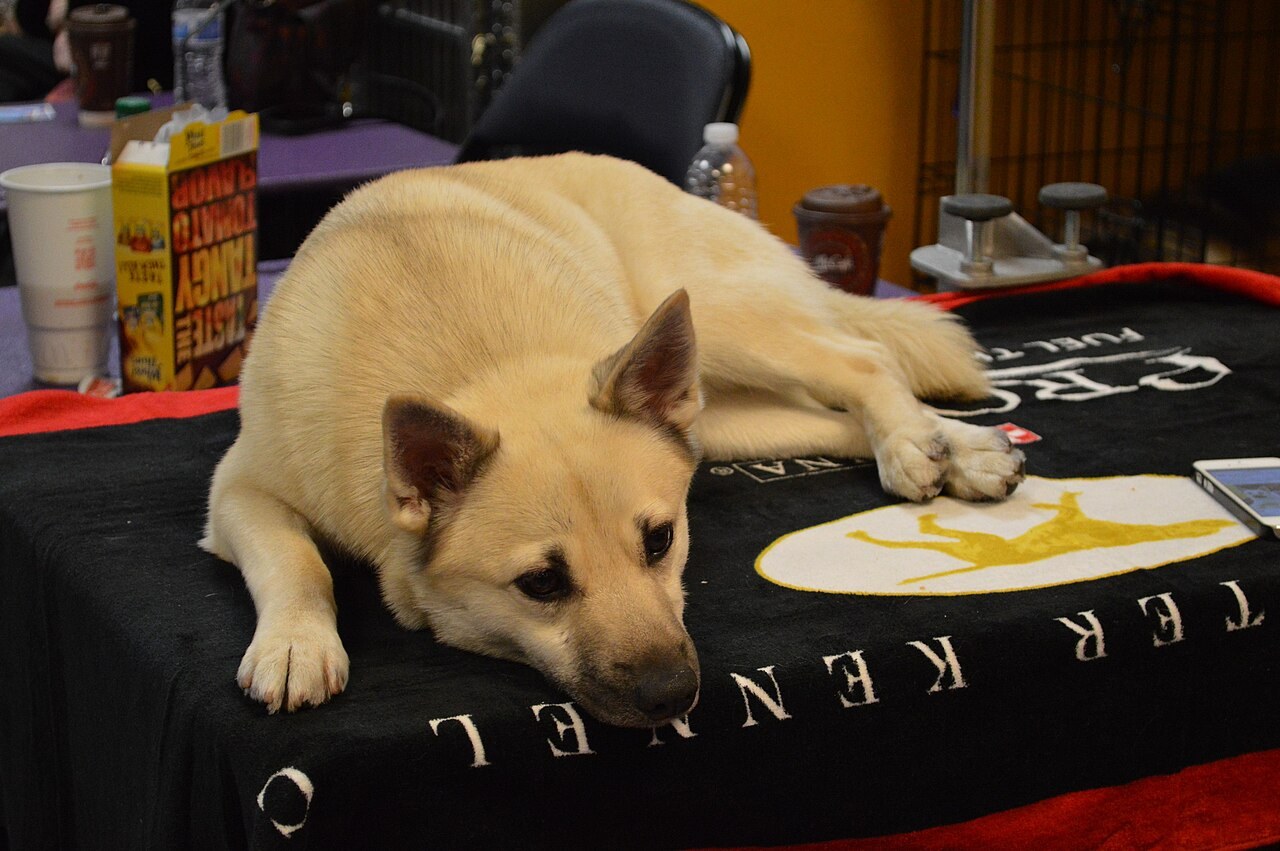
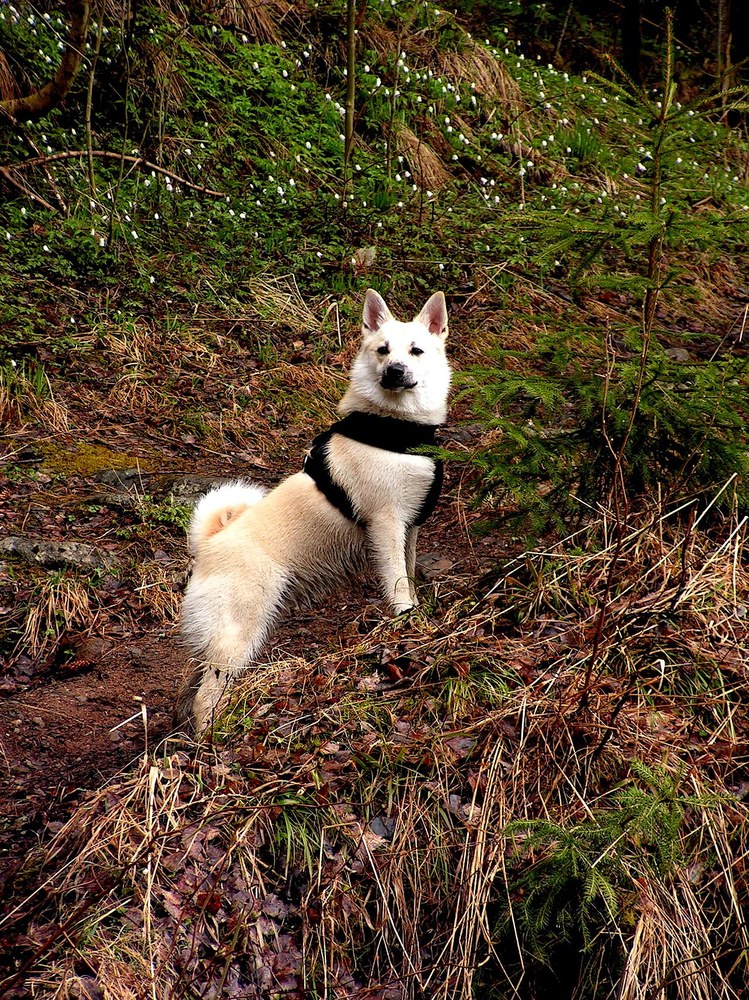
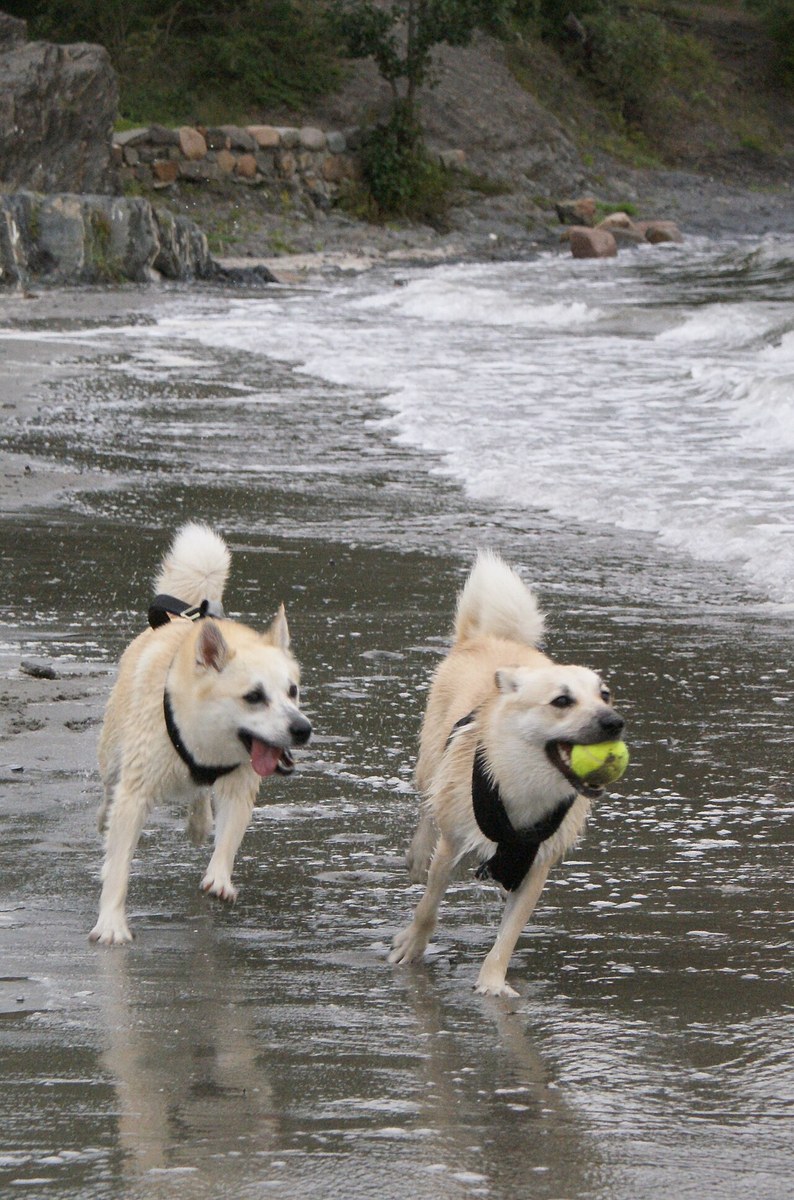
A Norwegian Buhund in action. Sport and games with clear endings suit the farm-herder brain.
Norwegian farms → stock and homestead
A square spitz chosen to herd and watch
Public accounts describe Buhund-type dogs on Norwegian farms, moving livestock and announcing strangers. They needed a weatherproof coat, stamina and a voice that carried.
What matters for an owner is that the dog was a working companion outdoors. Training should stay fair and active — or the flat becomes the unfinished job.
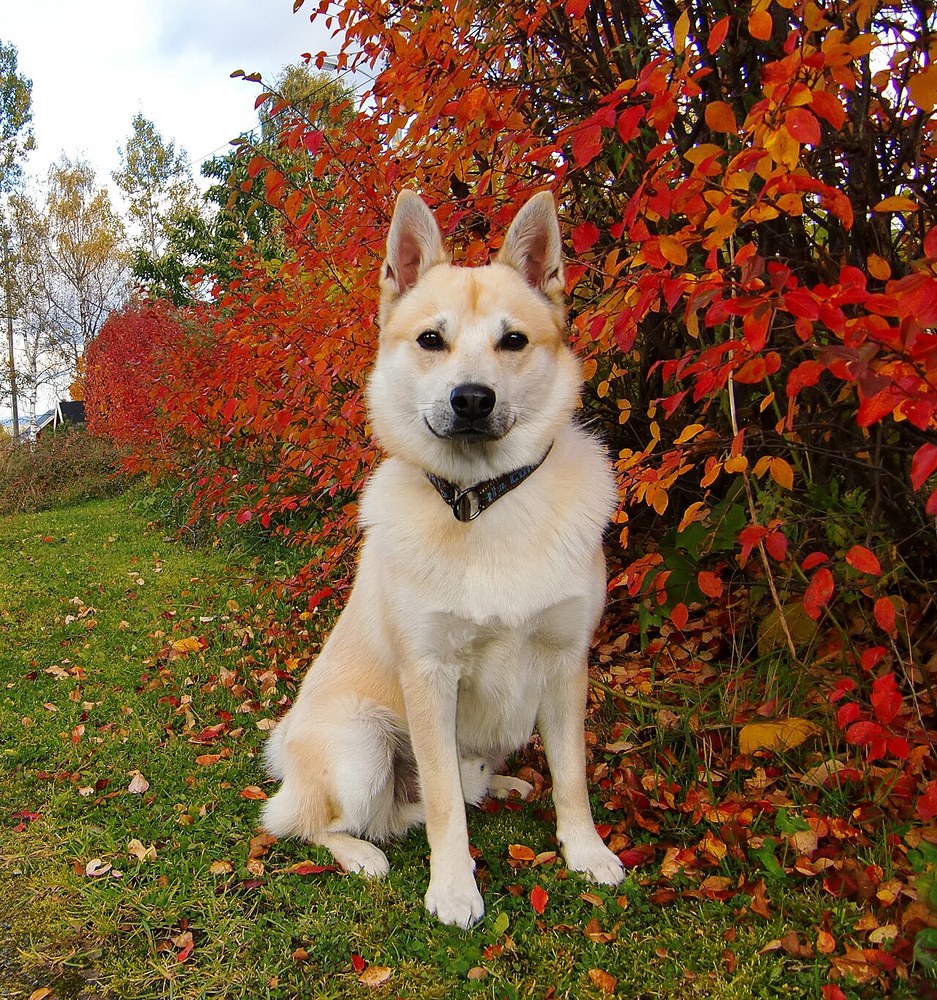
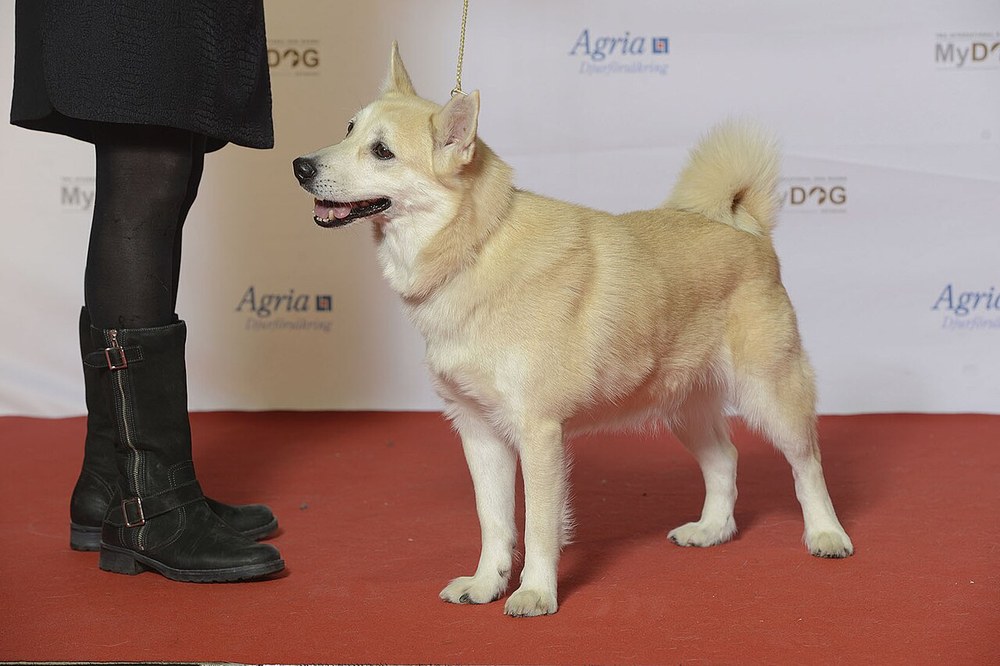
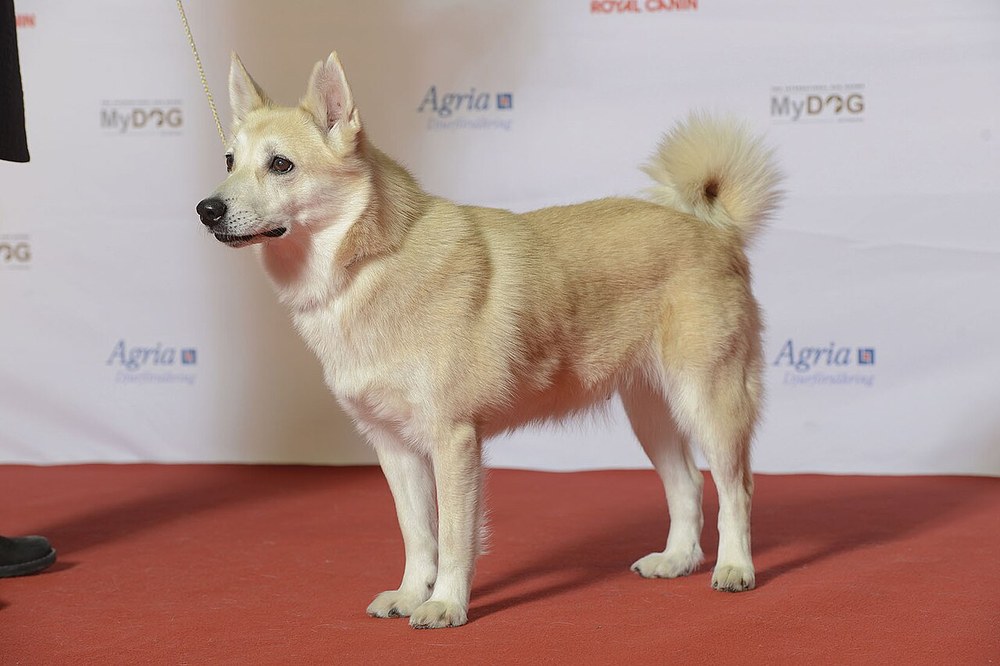
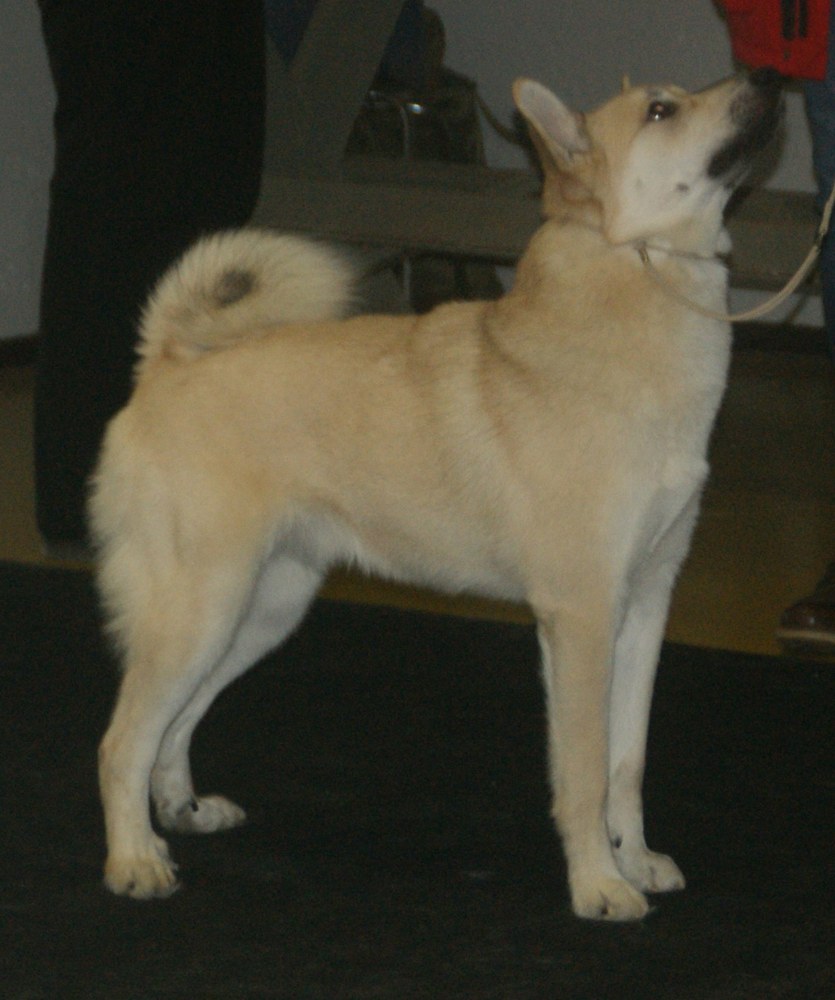
A Norwegian Buhund in profile. The square outline and curled tail are breed hallmarks.
Breed clubs → modern homes and sport
From farm herder to family and sport companion
The Norwegian Buhund was standardised in Norway and later recognised internationally. It is now a family, show and sport companion as well as a herding-bred spitz.
Most Buhunds now live as family dogs. They still carry high energy, alert barking and a brain that thrives on training with clear endings.
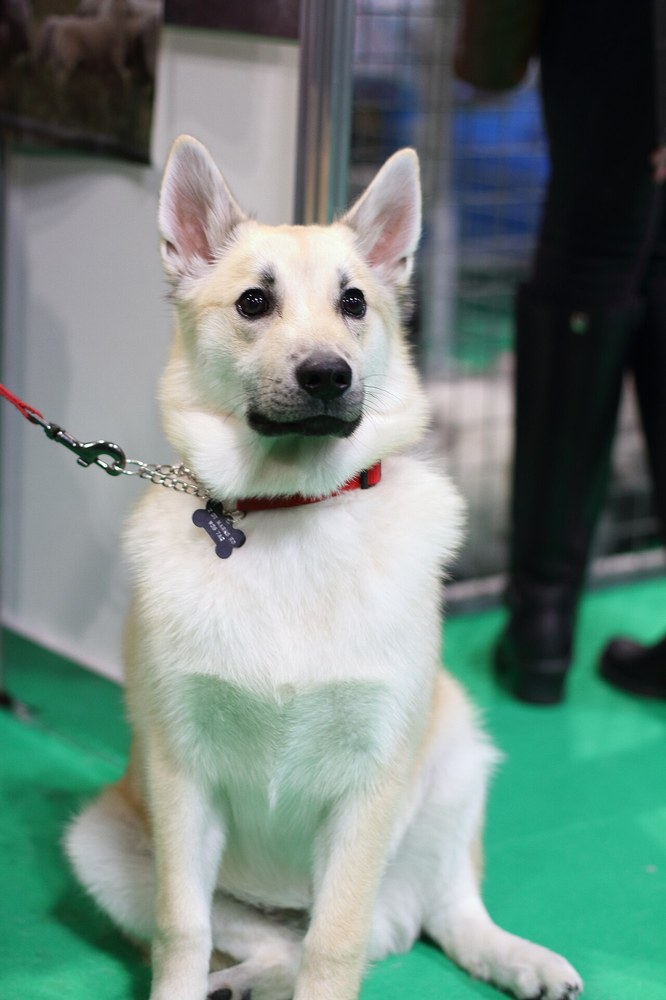
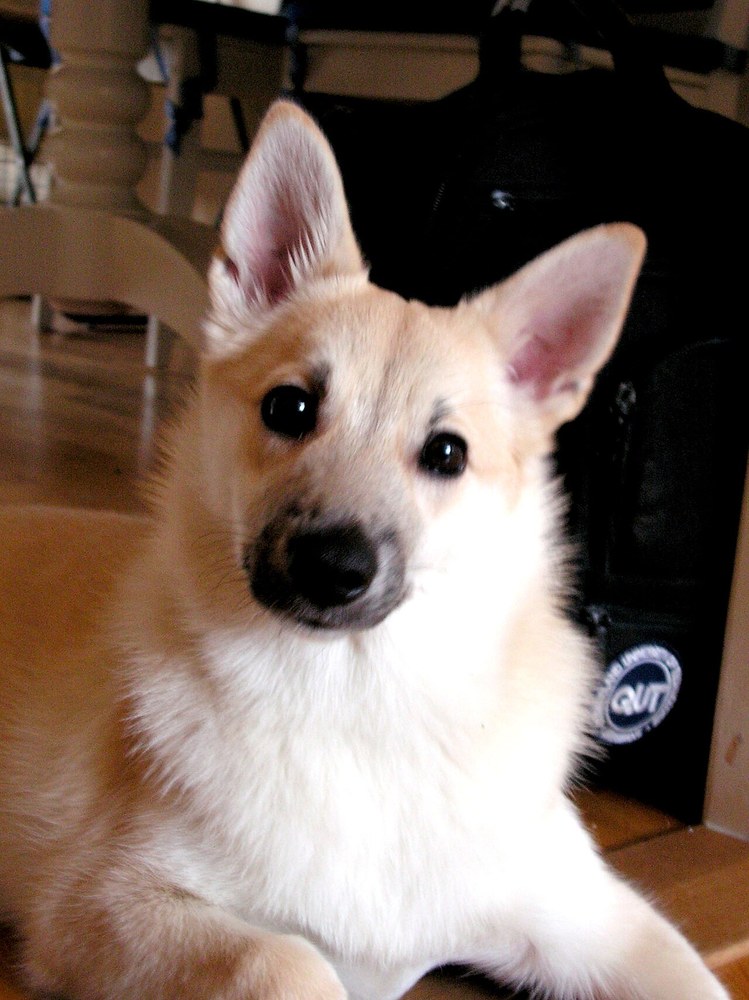
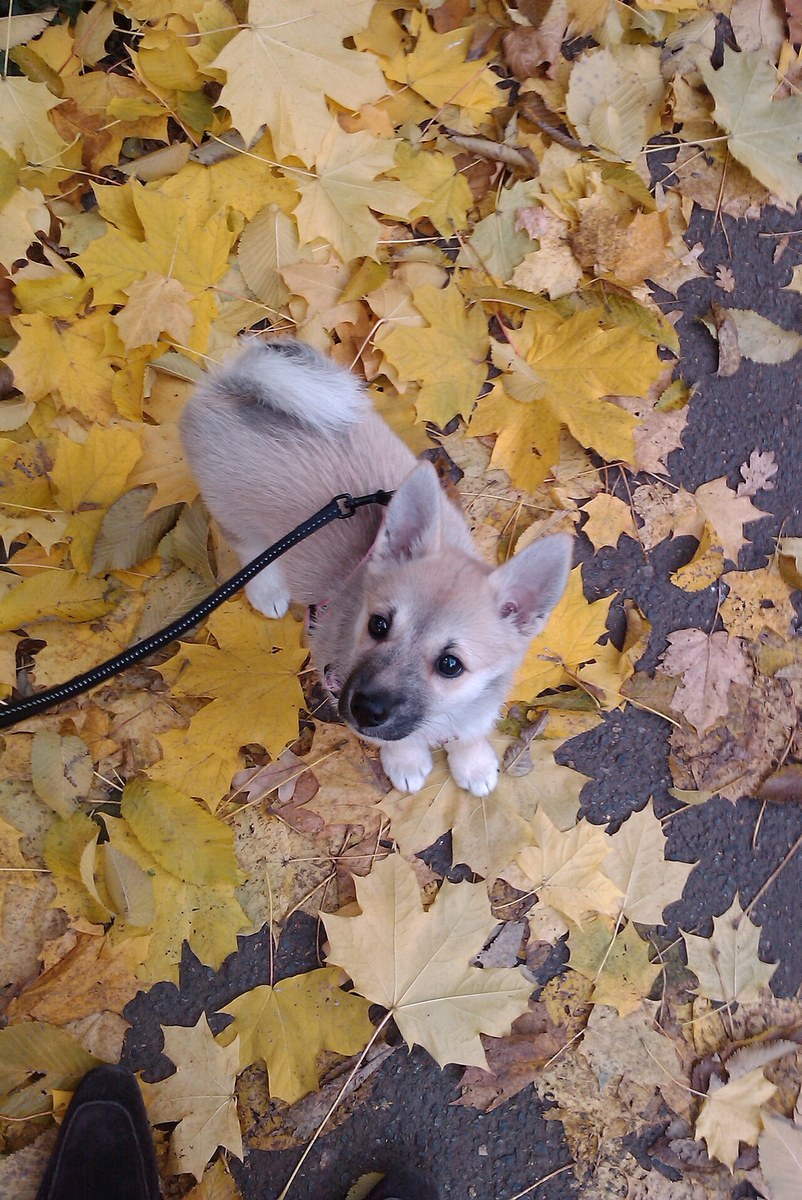
A Norwegian Buhund with its person. The same farm herder still needs real work and settle skills.
What the breed was bred for
Energy, voice and a sport-friendly brain
In trainer terms you get a dog with high work drive, quick learning and strong outdoor motivation. It learns well when sessions are fair and endings are clear.
Because of the compact look, many owners under-work the dog. That is how you get a restless flat roommate.
A good day is real work, a short skill game, a settle and rest
Most Norwegian Buhunds are happiest with jobs and clear rules. The friction points are usually under-exercise, door barking and sport without an off-switch. Routines done the same way every day help the dog feel safe and cooperate more.
Morning · work
A real outing beats three rushed toilet trips
Plan daily walking, sniffing and a short training game. Buhunds need their brain tired on purpose. Flat life works when the outdoor plan is serious.
After work or sport, invite the dog to a place bed with a chew. Farm herders need an off-switch taught on purpose. Door alerts get a thank-you and a settle.
General awareness only. I am not a veterinarian. With Norwegian Buhunds, owners often notice trouble first as restless barking when under-worked, limping after hard sport, ear smell, coat mats in shed season or eye changes. For red flags, leave this page and open
when to call the vet.
Joints and sport volume
Keep jump and high-impact volume sensible. Limping needs a vet. See limping stop list.
Eyes
Ask breeders about breed-club eye themes. Squinting or vision changes need a vet.
Weight
Extra weight hurts a sporty body. Measure food. See BCS check at home.
Coat and skin
Brush seasonally. Redness or smell deserve a vet check.
Ears
Prick ears still need a look after wet weather. Smell or head shaking needs a vet.
Ask the breeder
Ask which screenings the national breed club recommends for the parents. Do not invent disease claims from a blog.
Lines and types
Show and companion Norwegian Buhunds share the same need for work and settle skills
No bloodline selling. Differences show in coat colour, drive and how vocal the dog feels. Every Norwegian Buhund needs fair work, bark management and clear endings to games.
Show and companion lines
Often a classic wheaten or black coat and square outline.
Usually bright, people-focused family dogs.
Door barking and high energy are still common without a plan.
Ask how the parents turn off after games and accept handling.
Fits an active household that wants a compact Nordic herder and will train daily.
Sport and busy homes
Often thrive in agility, obedience or herding games.
Need rest days and sensible volume.
Alone-time training still matters.
Harsh corrections usually damage trust fast.
Fits an owner who will give sport or skill work and manners, not only cute photos.
Socialization windows
What to introduce — and what not to overload — by age
AVSAB-aligned in spirit: short, clean exposures at a distance the puppy can still eat,
with hygiene while vaccines finish. See the
puppy socialization schedule.
2–4 months
Home, soft mouth and rules
Introduce: name game, leave-it beginnings, sit for greeting, toilet plan, short outings.
Do not overload: overdoing puppy sport, skipping alone-time steps, free endless barking at windows.
~6 months
The world at a distance
Introduce: movement at a distance where the puppy can still think, harness practice, guest manners.
Do not overload: forcing greetings, long boring drills, practising hallway chaos.
~12 months
Adolescent opinions
Introduce: place during visitors, bark-then-settle, alone-time ladder, short skill games with endings.
Do not overload: dropping manners because the dog is cute, under-working, harsh corrections.
~18–24 months
Social maturity
Introduce: steady settle after sport, calm greetings, varied work with endings.
Do not overload: assuming puppy softness lasts without practice, adding a second dog without a plan.
~3 years+
Keep the structure
Introduce: refresh settle skills, keep fair work, yearly health checks.
Do not overload: dropping management because the dog has been good for a while.
Before you buy
Who a Norwegian Buhund usually fits
Fit comes down to exercise appetite, sport interest, barking tolerance and your plan for a compact high-drive Nordic herder.
Good match
More likely a good fit if you…
You want a bright compact Nordic herder
You will give daily work and games with endings
You like sport or serious skill training
You will teach a clear end to door alerts
You can plan flat life with real outdoor exercise
Mismatch risk
A Norwegian Buhund may be a poor choice if…
You want a quiet low-exercise lap companion
You cannot live with a vocal, busy farm herder
You dislike training games and settle work
You need a soft, low-drive dog first
You cannot plan rest after sport sessions
If you are torn between breeds
Norwegian Buhund vs Norwegian Elkhound and Finnish Lapphund
All three are Nordic spitz-type dogs with outdoor drive. The Norwegian Elkhound is a larger hunting spitz. The Finnish Lapphund is a thicker Lapland herding companion. The Norwegian Buhund is a compact square farm herder — sport-friendly and built for close work with people.
Size
Norwegian Buhund
Compact square; often about 16–18.5 in and roughly 26–40 lb.
Norwegian Elkhound
Usually larger and heavier; hunting-spitz history.
Original work
Norwegian Buhund
Norwegian farm herder and homestead watchdog.
Both compares
Also active; Buhund often feels especially game-keen.
Coat
Norwegian Buhund
Harsh double coat; wheaten or black common.
Finnish Lapphund
Usually a thicker mane and heavier fluff.
Home fit
Norwegian Buhund
Active home wanting a compact Nordic herder.
Both compares
Also need work; size and original jobs differ.
Ownership without surprises
Where a Norwegian Buhund owner’s budget goes
Costs depend on country, city and your choices. These are themes to plan for, not quotes.
Veterinary
Routine care, eyes and joint-aware checks. Know your emergency clinic.
Food
Measure carefully; sporty dogs still gain weight if portions drift.
Training
Puppy class and private help with barking or sport manners if needed.
Sport gear
Harness, toys, place bed and optional agility with sensible volume.
Coat care
Basic brushes and seasonal shedding tools.
Time
Daily work and settle practice are the real recurring cost.
The biggest hidden cost is time: fair work and clear endings beat flat chaos and overdone sport.
Before day one at home
What to prepare for a Norwegian Buhund puppy
A Norwegian Buhund puppy is bright, energetic and already interested in games. Prepare settle habits and fair work before day one so farm drive grows into useful sport rather than restless flat life.
01
Set house rules
Decide where the puppy sleeps, how greetings work and what happens when energy peaks.
Training a Norwegian Buhund means fair work, sport with endings and clear settle cues
Norwegian Buhunds do best with clear, kind rules: leave-it around excitement, sit for greeting, place on its own bed and settle after door alerts. Every family member uses the same cues and rewards the same behaviours.
They are food-keen and game-keen when the session is fair. Harsh corrections damage trust fast. Short sessions with clear endings work better than endless wild games.
Management is part of training: give a job before peak energy hours, end sport before the dog gets wild and teach an off-switch on a bed. You stop the old habit while the new one grows.
Load balance
Work first — then ask for calm
Age, joints and weather all matter. Limping, eye changes or sudden irritability need a vet check before more training.
Sniff walkShort skill or sport gameSit for greetingPlace with a chewQuiet settle after alert
Walks, find-it games and short skill work all count. Letting the dog race the flat without endings does not meet the need for a job.
A Norwegian Buhund that has had fair work, a short skill game and a settle cue can rest on its own bed instead of inventing jobs indoors.
Sport without spilling into the flat
How to teach a Norwegian Buhund to end a game and settle
Keep games short, mark a clear end, send to a bed with a chew, practise settle after mild excitement and stop before the dog gets wild.
01
Start a short game
Offer a tug or find-it game with a clear start cue. Keep it short.
02
Mark the end
Use a clear end word and stop the toy. Movement and play stop so the dog learns the game has finished.
03
Send to a bed
Invite the dog to a place bed. Reward arriving and quiet.
04
Reward rest
Offer a chew on the bed so ending a game predicts calm.
05
Repeat after mild excitement
Practise the same ending after a short walk or doorbell, not only after sport.
One scene close-up
Why a Norwegian Buhund cannot settle after play
Many Buhunds were rewarded for endless games: play never ended, excitement stayed high and the flat became the leftover arena. Clear endings are part of the job.
Manage first: shorten sessions, give a chew on a bed and practise place after mild play. Then rebuild settle under mild distraction.
If restlessness escalates, or you suspect pain, get help from a vet and a qualified professional.
“With a Norwegian Buhund, I start by giving the farm herder a real job and clear endings to games. Once the dog has work, a settle cue and rest after sport, the compact Nordic herder becomes easy to live with — even in a flat.”
Sessions cover real scenes: under-exercise, doorbells, sport endings, settle and alone time. I am a trainer, not a veterinarian. No invented reviews.
Andrew DarovProfessional dog trainer and instructor
It can be, for an active owner who will train daily and give clear endings to games. It is not a low-effort cute medium dog.
Do Norwegian Buhunds bark a lot?+
Many are alert barkers. Door routines help.
How much exercise does a Norwegian Buhund need?+
Most adults need a real daily outing plus games and mental work, not only short toilet walks.
Are Norwegian Buhunds good with children?+
Often good with respectful children if wild games are managed. Supervise running play.
Norwegian Buhund vs Norwegian Elkhound: which fits better?+
Both are Norwegian spitzes. The Elkhound is usually larger with a hunting history; the Buhund is a compact farm herder that often thrives in sport.
Norwegian Buhund vs Finnish Lapphund: what is the difference?+
The Lapphund is a thicker Lapland herding companion. The Buhund is a square Norwegian farm herder with a harsher coat and often a sharper sport appetite.
Can a Norwegian Buhund live in a flat?+
Yes, with serious daily work, bark management and alone-time training.
Do Norwegian Buhunds shed?+
Yes, seasonally. Basic brushing helps.
What health themes should I ask about?+
Ask breeders which screenings the national breed club recommends, and ask about eyes, hips and general health of the parents. This is general awareness, not a diagnosis.
How long do Norwegian Buhunds live?+
Public breed references often mention about 12–15 years. Individual dogs vary.
Are they good with other dogs?+
Often fine with stable dogs; plan introductions and keep play fair.
Is agility a good fit?+
Many enjoy sport. Keep jump volume sensible and ask your vet about joint-aware plans.
If a Norwegian Buhund seems too energetic or too vocal for your home
It is a compact Nordic farm herder, but high drive and sport appetite do not fit every household.
A tough, loyal Australian heeler that needs a daily job, impulse-control training and early socialization.
Need a read on your exact situation?
Tell me your Norwegian Buhund’s age and the scene that keeps repeating: restlessness, door barking, overdone sport or alone time. We check safety and health first, then pick the first skill.
Written by Andrew Darov, professional dog trainer. Not veterinary advice and not a diagnosis.
Not a kennel club. No invented reviews. No vaccine schedules or toxin doses. Photo credits in
/images/breeds/norwegian-buhund-guide/credits.md.