Australian Terrier: temperament, digging, barking and lead manners for the small Aussie working terrier
The Australian Terrier is one of the smallest working terriers. It was developed in 19th-century Australia from rough-coated terriers brought over from Britain, to keep rats and snakes away from homesteads and to raise the alarm when someone came near. You get a tough, confident, cheerful little dog that is often easier with people and other dogs than many terriers, but it still digs, barks and chases. What works is giving it real terrier jobs: sniffing walks, a digging spot, search games, a barking routine and a long line until recall is solid.
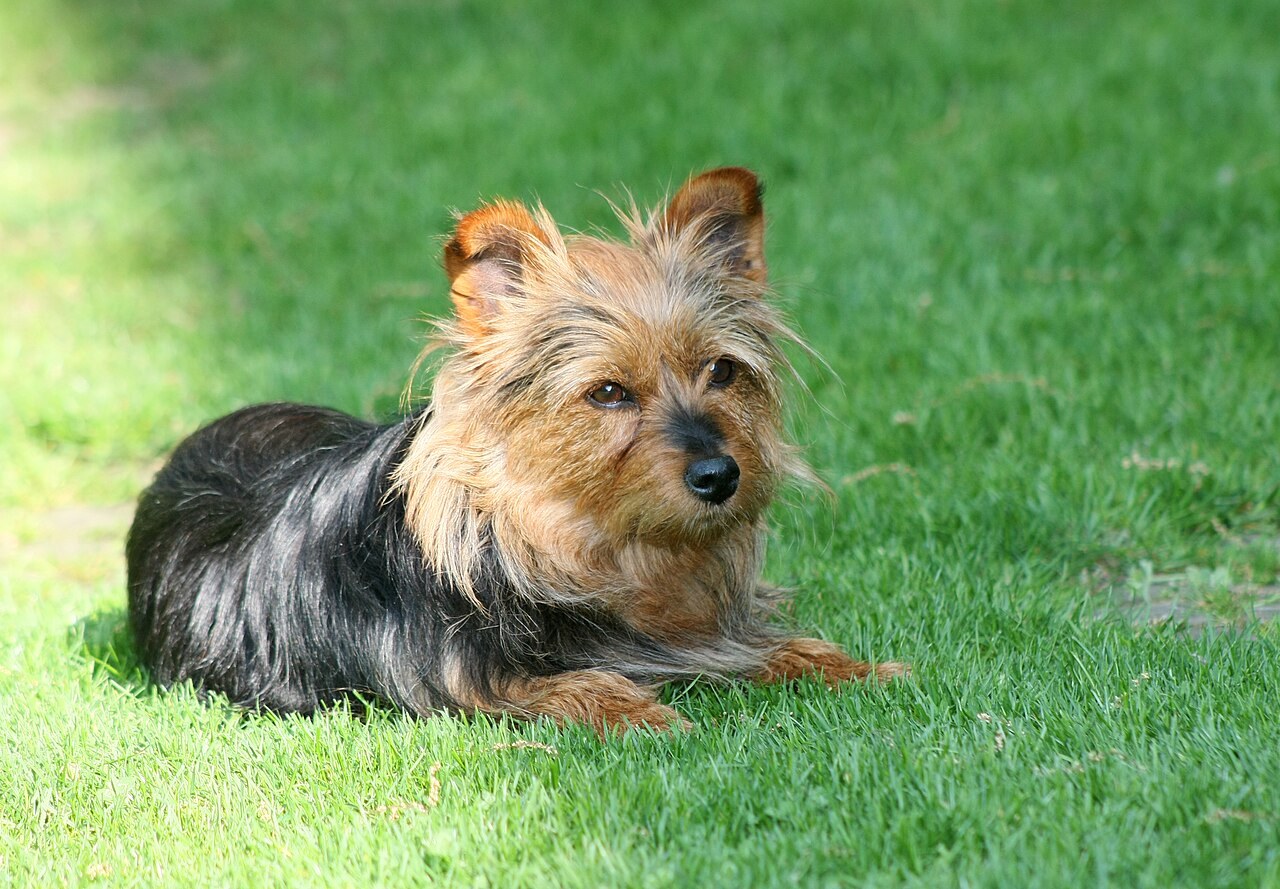
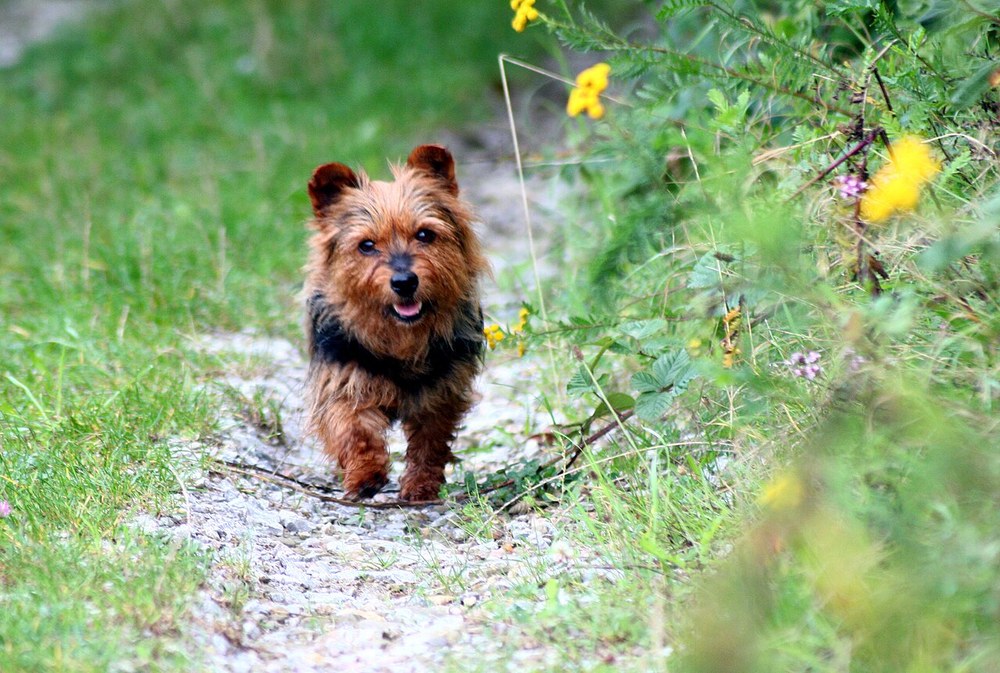
Job: A small Australian working terrier, FCI Group 3; harsh coat with a ruff and soft topknot.
Energy: Confident, loyal and lively; digs, barks and chases small animals.
Home: Suits an owner who wants a sturdy small dog that likes to be busy.
An Australian Terrier is a working dog in a small, sturdy body
People see a small, scruffy dog and expect a lap dog or a nonstop yapper. Most Australian Terriers are neither. They are hardy, cheerful dogs that love being outside with their people and settle well at home once they have had something to do.
What I meet in homes is a dog that follows its family around, greets visitors happily and keeps a close eye on the garden. The hard parts are holes in the lawn, barking at noises and passing dogs, bolting after cats and birds, pulling on the lead and, in some dogs, squabbles with another dog of the same sex.
My plan has four parts. A daily outlet for the terrier in it: sniffing walks, search games and a place where digging is allowed. A barking routine from the first week. A long line and a recall plan instead of trusting it near cats. And loose-lead training with food.
About 25 cm (10–11 in) at the shoulder; females slightly smaller
Weight
About 6.5 kg for males per FCI; commonly 6–7 kg (about 14–16 lb)
Energy
Medium to high; hardy and busy
Coat / shed
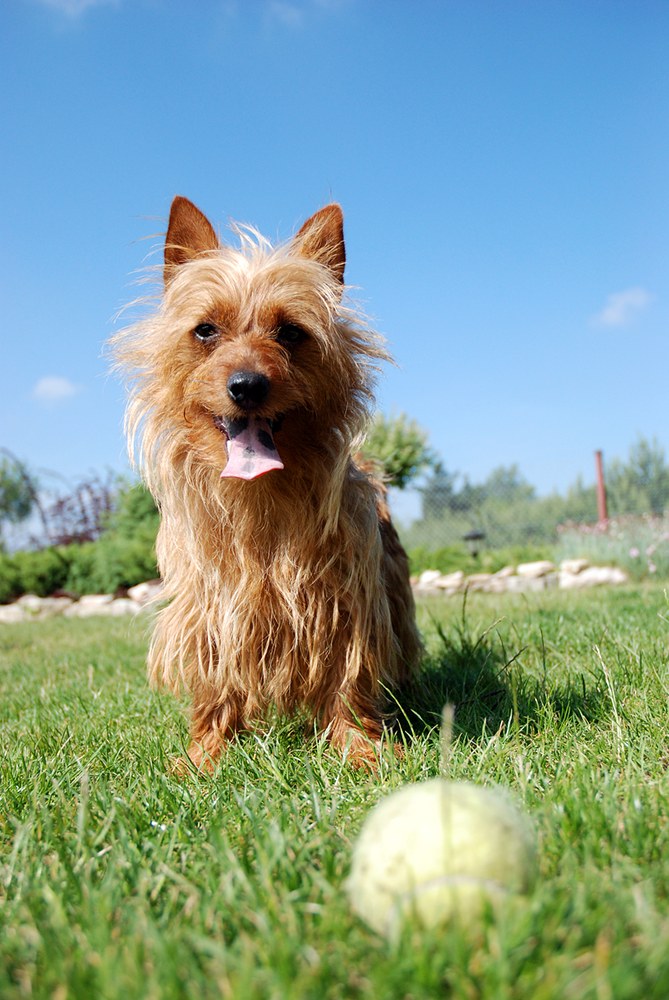
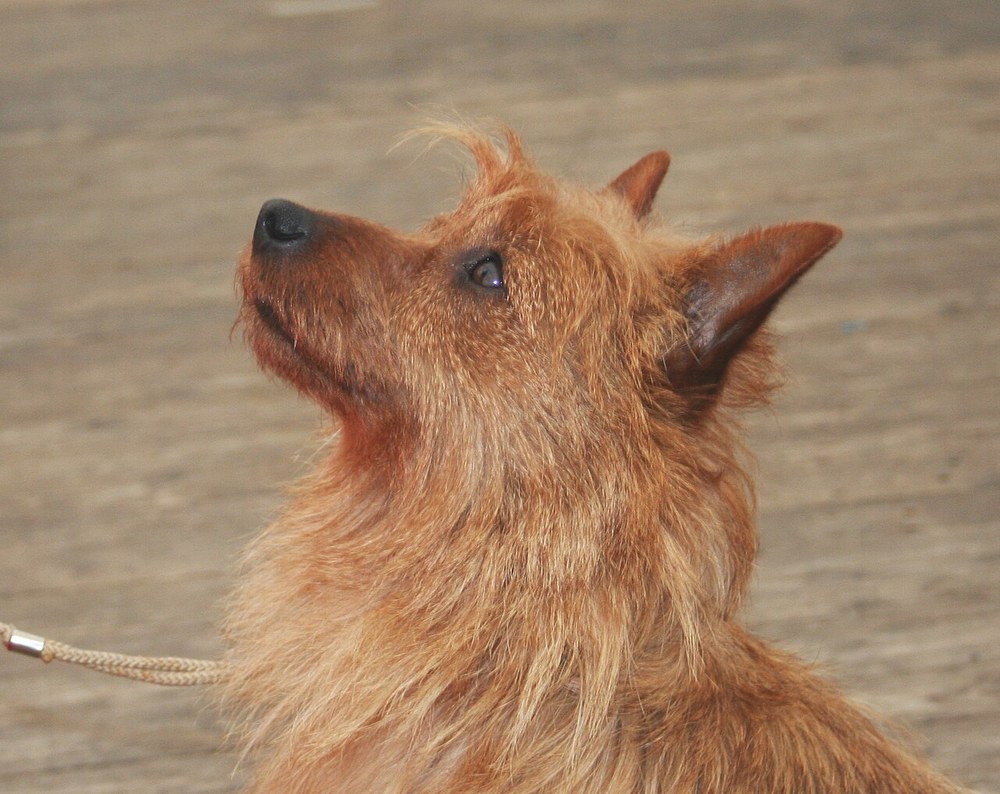
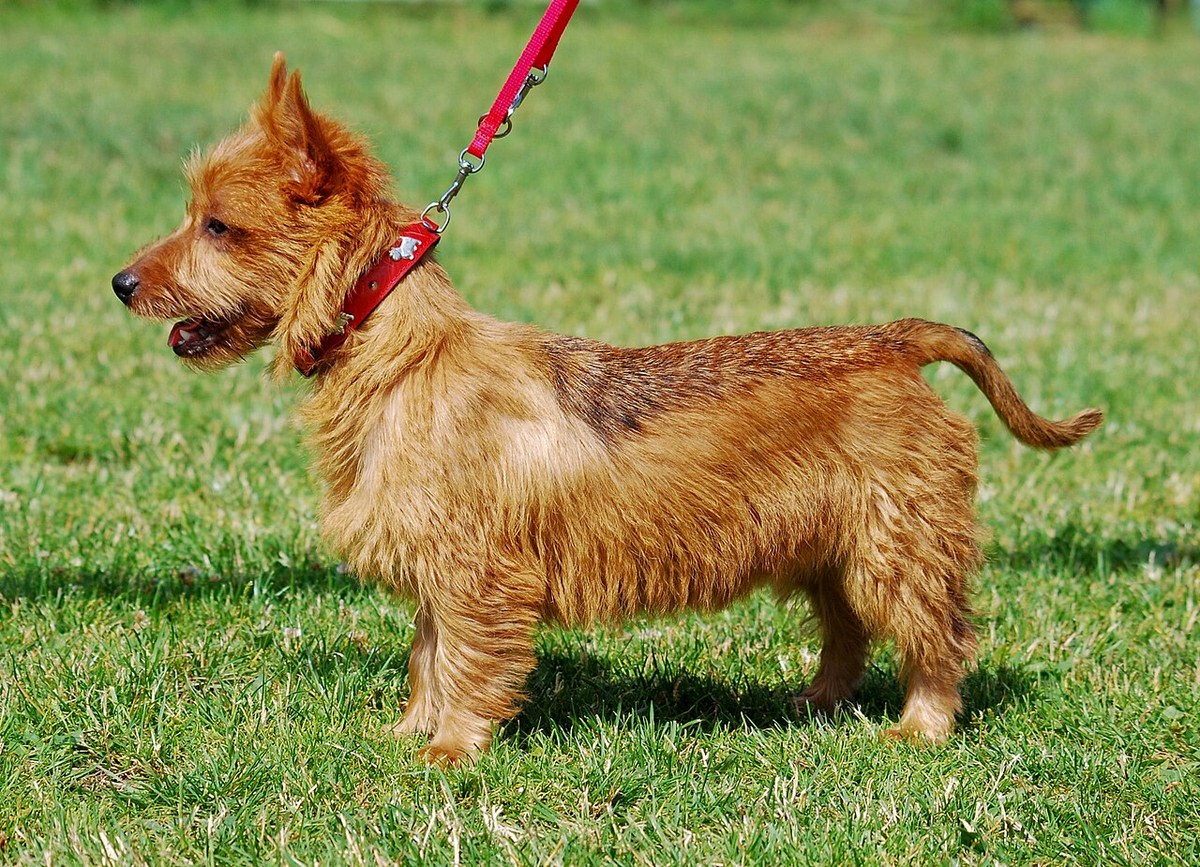
Harsh, straight outer coat about 6 cm long with a short soft undercoat, a ruff around the neck and a soft topknot; blue and tan, or solid sandy or red
Job
Working terrier for vermin and house watchdog (FCI Group 3)
Temperament in one minute
Australian Terrier temperament: what they are like at home
Short answer: Australian Terriers are confident, cheerful and loyal small working terriers. Most are affectionate with their family, good with children they know and often easier with other dogs than many terriers. They still dig, bark at noises and chase cats and other small animals. They learn quickly with food, need daily walks with sniffing, a place to dig and a long line until recall is solid, and their harsh coat sheds little.
Are Australian Terriers affectionate?
Yes. Most follow their people around and love to join in. Build short absences early so time alone stays easy.
Are Australian Terriers easy to train?
They learn fast with food and games and get bored with repetition. Short sessions work best. A name game and recall on a long line are good first skills.
Do Australian Terriers bark a lot?
They are keen watchdogs and bark at noises. Teach that quiet after one alert earns food. See barking at the door.
Are Australian Terriers good with kids and other dogs?
Usually good with children they know and with calm dogs. Some squabble with dogs of the same sex. See introducing a new dog.
Australian Terrier behavior problems to expect
The usual four are digging, barking at noises and fences, chasing cats and birds, and pulling on the lead. The list further down links a guide for each.
Living with an Australian Terrier in an apartment
Often a good fit for size. Plan daily walks, search games, a bed to settle on and a door routine for the neighbours’ sake.
Breed history
How British terriers became a tough little dog for the Australian bush
The history will not train your dog, but it explains the digging, the alert voice and why this terrier is so sturdy for its size.
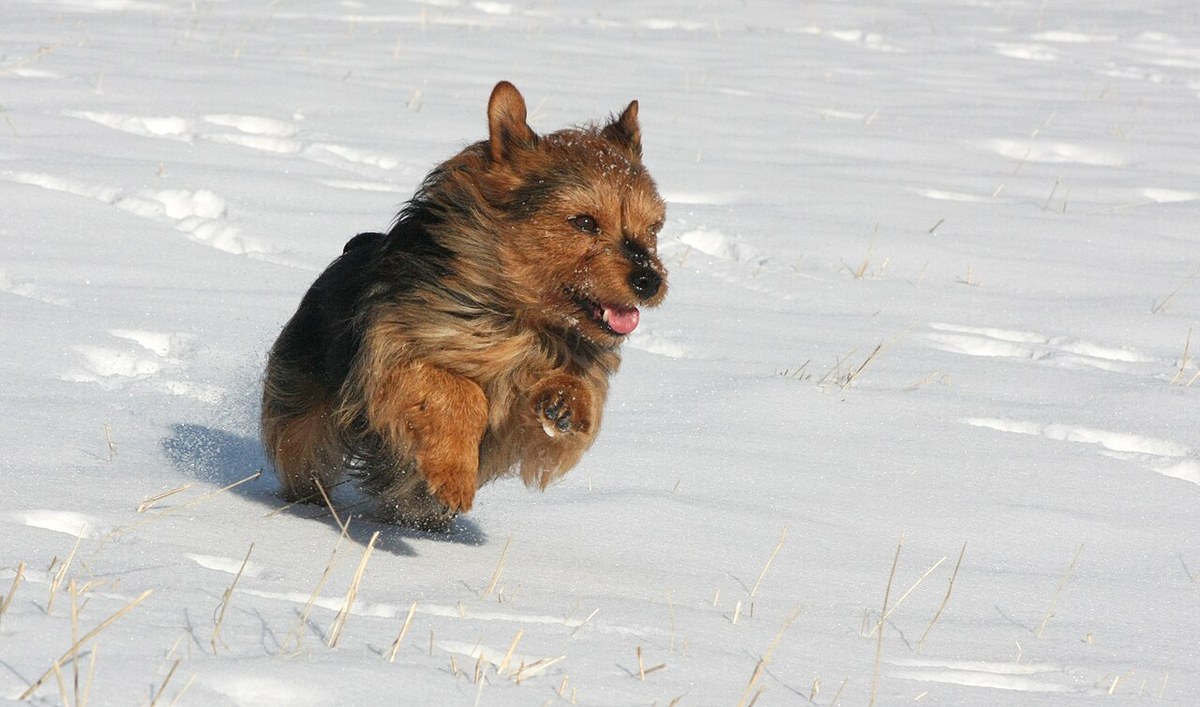
An Australian Terrier racing through the snow: hardy, quick and happiest when it has something to do.
Australia · 19th century
Rough-coated terriers from Britain
Settlers brought small rough-coated terriers from Britain to Australia. Breed histories name several of the types that went into the mix, among them early forms of the Skye, Dandie Dinmont, Cairn and Yorkshire Terriers.
The result was a small, tough dog that kept rats, mice and snakes away from homes and farms, worked around mines and docks, and barked when strangers came near. Early on it was simply called the rough-coated terrier.
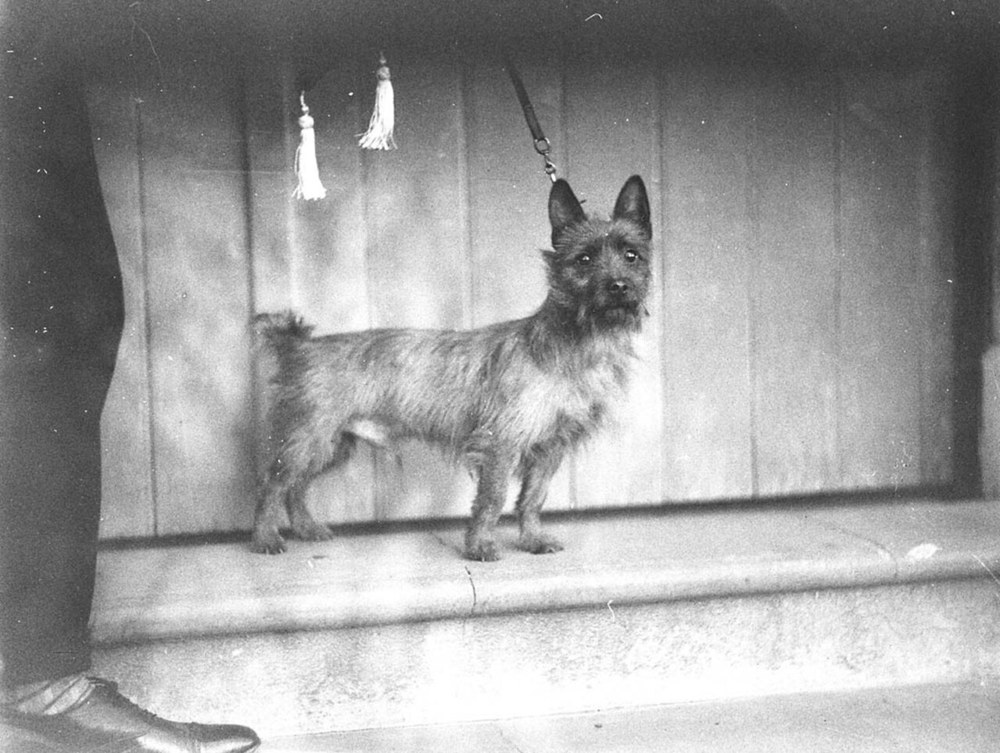
An Australian Terrier in an old photograph from the State Library of New South Wales: a small, sturdy farm and house dog.
From Melbourne shows to the world
The first Australian breed abroad
The dogs were shown in Melbourne in the late 19th century, and a breed club followed. The breed was recognized in Britain in 1933, and in 1960 it became the first Australian breed recognized by the American Kennel Club.
Today the FCI lists the Australian Terrier in Group 3, terriers. It is a popular family terrier in Australia, Scandinavia and North America.
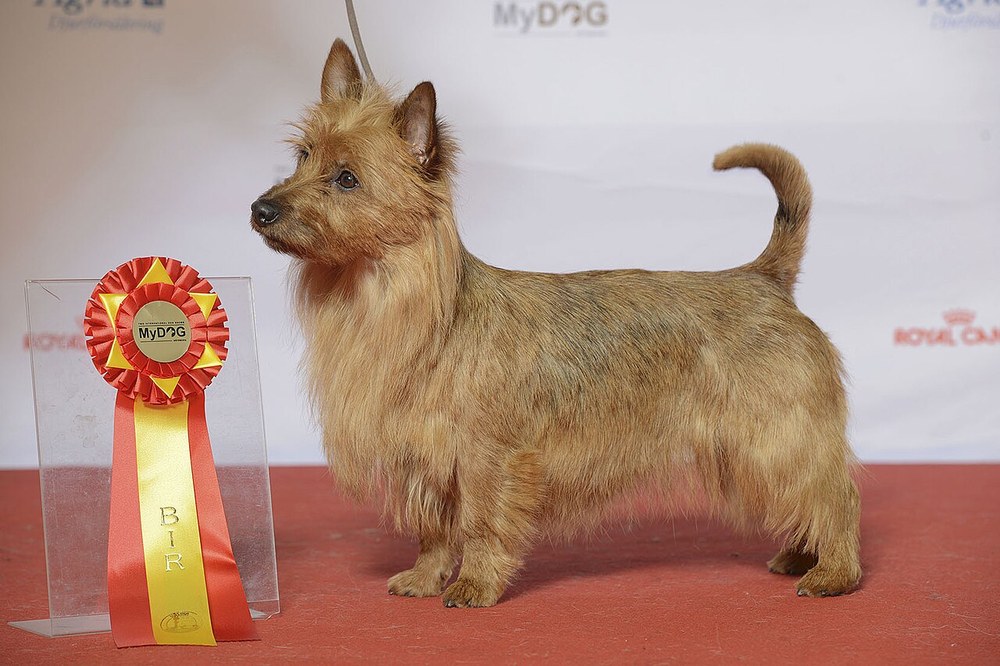
A sandy-red Australian Terrier at the MyDOG show in Sweden: long body, short legs, a ruff and a soft topknot.
What the breed was bred for
Cheerful at home, keen outside
Day to day you live with a confident, affectionate dog that wants to be with its people. Many are good with children they know and friendlier with other dogs than the average terrier.
The same dog still digs after smells, chases anything small that runs and barks at noises. Give those habits a job and a place, and it is a very easy small dog to live with.
A good day is a sniffing walk, a dig or a search game, some training and a nap
Most Australian Terriers do well with one or two good walks a day, a few short games that use the nose and the paws, quick training sessions and time close to their family. Trouble usually starts with a dog left alone in the garden, off-lead walks near cats and birds, or a fence it can see the street through.
Morning · walk
A walk with time to sniff
An Australian Terrier is small but tough and happy to walk for an hour or more. Let it sniff along hedges and paths on a long line or a loose lead, and reward it for checking in with you. Off lead is for fenced places until recall works around cats.
Many Australian Terriers enjoy another dog in the family, often of the opposite sex. Introduce new dogs slowly, feed them apart and keep toys and chews away when both dogs are excited, so small squabbles do not start.
Australian Terriers learn quickly with food and toys. A ball game where the dog sits, waits and then chases, or a tug game with a clear drop, teaches self-control while letting the terrier have fun. Keep it to a few minutes and stop while it still wants more.
The coat is weatherproof and sheds little. A brush once or twice a week, a tidy around the feet and eyes, and hand-stripping or a groomer a few times a year keep it in shape. Bathing too often softens the coat, so wash only when needed.
After a walk and a game, an Australian Terrier is happy to curl up near you. Put its bed in the living room away from the window, give it a chew in the evening, and it will switch off instead of guarding the garden.
General awareness only. I am not a veterinarian. With Australian Terriers, owners often notice trouble first as a hop or skip in a back leg, scratching or licking at the skin, a change in thirst or weight, or bad breath. For red flags, leave this page and open
when to call the vet.
Legs and movement
A small dog that hops on three legs for a few steps or stops jumping onto the sofa should see a vet. See limping stop list.
Skin and coat
Check the skin when you brush, especially after walks in long grass. Ask your vet about itching, licking or sore spots.
Teeth
Start tooth brushing early; small mouths collect tartar.
Weight
Australian Terriers love food. Count training treats into the daily food and let your vet judge. See BCS check at home.
Thirst and appetite
Tell your vet if the dog suddenly drinks much more, loses weight or changes how it eats.
Ask the breeder
Ask which screenings the national breed club recommends for the parents, and ask to see the results. Do not invent disease claims from a blog.
Lines and types
Pet and show Australian Terriers both need terrier jobs and a barking plan
No bloodline selling. Within the breed you will find blue-and-tan and red or sandy dogs, calmer and busier characters, and more and less vocal ones. Every one of them is a working terrier that needs things to do, a place to dig and early work on barking. Visit the parents if you can and watch how they react to the doorbell and to another dog.
Family companion homes
Daily walks with plenty of sniffing.
A dig box or a digging corner.
Search and toy games at home.
A barking routine from week one.
Suits a family or single owner who wants a sturdy, cheerful small dog and enjoys walks.
Sport and outdoor homes
Earthdog tests, scent work and agility suit many.
Hiking for fit adults.
Barn hunt style games use the ratter nose.
Rest after busy days.
Suits an owner who wants a keen, tough small partner for dog sports and outdoor days.
Socialization windows
What to introduce — and what not to overload — by age
AVSAB-aligned in spirit: short, clean exposures at a distance the puppy can still eat,
with hygiene while vaccines finish. See the
puppy socialization schedule.
2–4 months
Settling in and first lessons in quiet
Introduce: calm visitors with treats, one-minute brushing sessions, car rides, a doorbell that leads to food, the toilet spot, leaving the room for a minute.
Do not overload: people laughing when the puppy barks, rough games with hands, unsupervised time in the garden.
~6 months
The bold adolescent
Introduce: walks in new places on a long line, play with steady adult dogs, a dig box, search games, name games outdoors.
Do not overload: off-lead walks near cats and birds, a fence it can bark through at passers-by.
~12 months
Young adult, full terrier
Introduce: recall practice with rising distractions, a calm bed during visits, an hour alone after a walk, new tricks.
Do not overload: long days alone in the garden, letting squabbles with another dog play out.
~18–24 months
A steady young terrier
Introduce: longer walks and hikes, scent work or agility if you like it, café visits, trips with the family.
Do not overload: thinking training is finished because the dog is grown.
~3 years+
Maintenance
Introduce: daily walks and games, a weekly brush, yearly vet and dental checks, refreshers on recall and door manners.
Do not overload: letting the barking routine slide until the habit is back.
Before you buy
Who a Australian Terrier usually fits
Fit comes down to your patience for early barking work, holes in the garden, a plan for cats and birds on walks and whether you enjoy a small dog that likes to be busy.
Good match
More likely a good fit if you…
You want a small dog that is tough, cheerful and outdoorsy
You can give it a digging spot or do not mind a few holes
You will reward quiet at the door from the first week
A long line on walks is fine with you
You enjoy short daily training games
Mismatch risk
A Australian Terrier may be a poor choice if…
You want a quiet lap dog that never barks
You plan off-lead walks near cats and birds from day one
The house has small pets that run, like rabbits or rodents
The dog would spend long days alone in the garden
A perfect lawn matters a lot to you
If you are torn between breeds
Australian Terrier vs Cairn Terrier and Norfolk Terrier
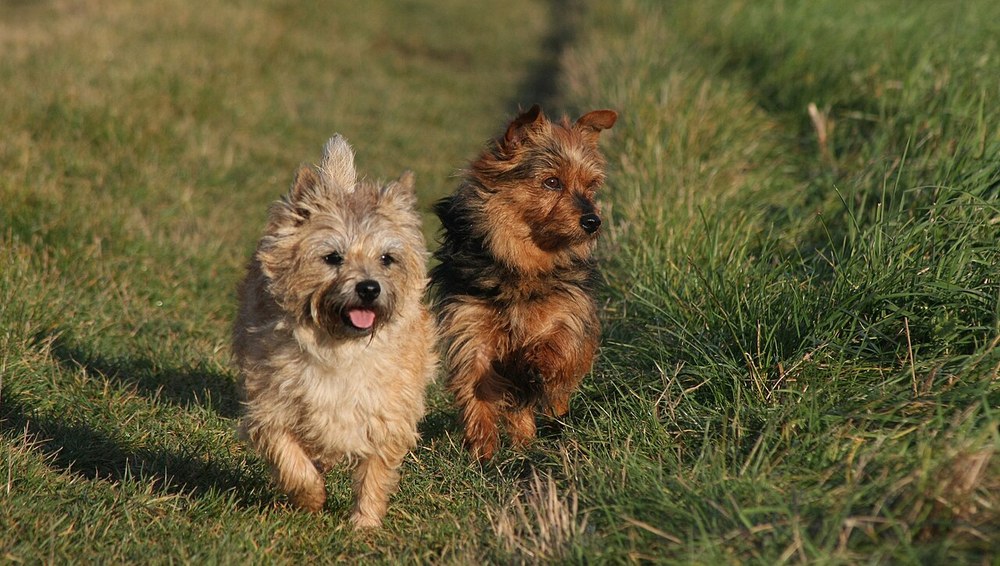
All three are small, rough-coated working terriers of a similar size. The Australian Terrier has a longer body, a ruff and a soft topknot and comes in blue and tan or red. The Cairn is shaggier and comes in more colours. The Norfolk is smaller, with drop ears, and often softer with other dogs.
Size
Australian Terrier
About 25 cm, around 6–7 kg.
Norfolk Terrier
Smaller and lighter.
Coat
Australian Terrier
Harsh coat with ruff and topknot; blue and tan or red.
Cairn Terrier
Shaggy harsh coat in many colours.
Terrier drive
Australian Terrier
Digs, barks and chases small animals.
Both compares
All three are real working terriers.
Home fit
Australian Terrier
Active owner who likes walks and games.
Both compares
All three need daily walks, games and a barking plan.
Ownership without surprises
Where a Australian Terrier owner’s budget goes
Costs depend on country, city and your choices. These are themes to plan for, not quotes.
Veterinary
Yearly checks, dental care and any screenings the breed club asks breeders to do.
Food and treats
Meals are small; this breed loves food, so treats need counting.
Grooming
A slicker brush, a comb, a stripping tool or a groomer a few times a year.
Training
A puppy class for social skills, or a few private sessions for barking, recall and lead walking.
Garden and gear
A secure fence that the dog cannot dig under, a long line and a well-fitting harness.
Early barking and recall work and a place to dig are worth more than any gadget: an Australian Terrier with a job is a very easy dog.
Before day one at home
What to prepare for a Australian Terrier puppy
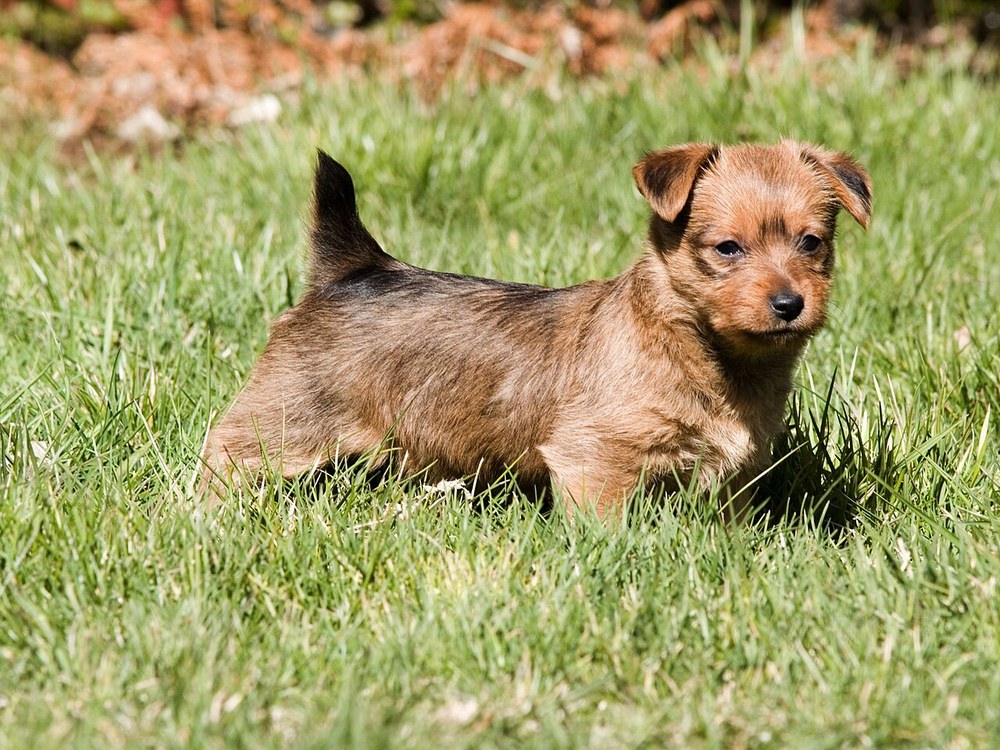
An Australian Terrier puppy is bold, playful and hardy. Have a bed spot, a brush, food for visitors, a digging spot and a plan for barking ready before it comes home.
Short daily touches on feet, ears and coat. See puppy handling.
04
Teeth on toys
Offer a tug toy and pause the game if teeth land on skin. See biting and nipping.
05
Name game
Say the name, give a treat, many times a day. See name game.
06
Toilet trips
Take the puppy out after sleep, food and play. See potty training.
If the dog is already yours
Training an Australian Terrier means terrier jobs, a barking plan and a long line
Five skills cover most of daily life: going quiet after an alert, coming when called, walking on a loose lead, dropping things on cue and settling on a bed indoors.
Australian Terriers are smart, keen on food and quick to learn, and they get bored with repetition. Several short sessions spread over the day work better than one long one.
The rest is how you arrange the home: a fence the dog cannot dig under, a digging spot that is allowed, a bed with no street view and a long line until recall works around cats.
Load balance
Sniffing and digging first, then ask for calm
Puppies, seniors and hot days need lighter plans. If the dog limps, skips on a back leg or turns grumpy out of nowhere, see a vet before adding more exercise or training.
Sniffing walkDig box huntSearch gameChew on the bedQuiet nap
Exercise for this breed is a mix of sniffing, digging and thinking. Leave out the terrier jobs and the dog finds its own in your flower beds.
An Australian Terrier that has sniffed, dug for buried toys and trained for five minutes rests easily at home.
Digging
How to give an Australian Terrier a place where digging is allowed
A dig box or corner, toys and treats buried in it, praise for digging there, supervision in the garden and a calm move back to the right spot.
01
Pick a dig spot
A sandpit or a corner of soft soil in a part of the garden you can spare.
02
Bury treasure
Hide toys and chews just under the surface so the first digs turn up something quickly.
03
Praise the right hole
Cheer and reward when the dog digs in its spot.
04
Stay in the garden
Go out with the dog at first so you see digging start elsewhere.
05
Calm redirect
If it digs in the wrong place, walk it back to its spot and bury something new.
One scene close-up
Why an Australian Terrier digs up the garden
This terrier was bred to find rats and other small animals, often by digging after them. Smells under the soil, a bored afternoon in the garden or a warm day when cool earth feels nice are all reasons to dig. Telling it off afterwards does not change the habit.
Give the habit a place: a sandpit or a corner of soft soil, toys and chews buried there for the dog to find, praise when it digs in the right spot, and company in the garden so you can calmly lead it back when it starts somewhere else.
Frantic digging at fences when you leave, or digging to escape, is a different problem; work on time alone and the fence, and bring in a qualified professional if it does not ease.
“With an Australian Terrier, I begin with three things: a daily terrier job, a clear end to barking, and a long line until recall is solid. Give it those and this tough little dog is cheerful, loyal and easy to live with.”
We work on what your days actually look like: the garden, the doorbell, walks near cats and birds, the lead and other dogs. I am a trainer, not a veterinarian.
Andrew DarovProfessional dog trainer and instructor
Often yes. Most are cheerful, loyal and good with children they know. They need walks, games and a barking plan.
Is an Australian Terrier a good first dog?+
It can be, for an owner who enjoys walks and training and accepts terrier habits like digging and barking.
Do Australian Terriers bark a lot?+
They are alert watchdogs and bark at noises. A barking routine from the first week keeps it to one or two alerts.
Australian Terrier vs Cairn Terrier: what is the difference?+
They are similar in size and drive. The Cairn is shaggier and comes in more colours; the Australian has a ruff and topknot.
Australian Terrier vs Norfolk Terrier: what is the difference?+
The Norfolk is smaller with drop ears and often softer with other dogs. The Australian is longer and comes in blue and tan or red.
How much exercise does an Australian Terrier need?+
Daily walks with plenty of sniffing, plus short games and training. Most are hardy and enjoy longer outings.
Do Australian Terriers shed?+
Little. The harsh coat needs weekly brushing and occasional stripping or grooming.
Are Australian Terriers good with other dogs?+
Often better than many terriers, but some squabble with dogs of the same sex. Introduce new dogs slowly.
Can an Australian Terrier live with cats?+
Sometimes, if raised with a calm cat. Small running pets like rabbits and rodents are a risk.
Can an Australian Terrier live in an apartment?+
Often yes, with daily walks, games and a barking plan for the neighbours.
What health themes should I ask about?+
Ask the breeder which health checks the national breed club recommends for parents and see the papers. Tell your vet the breed. This is general awareness, not a diagnosis.
How long do Australian Terriers live?+
Public breed references often mention about 11–15 years. Individual dogs vary.
If an Australian Terrier seems like more dog than your home can handle
Most people fall for the scruffy face. The digging, the barking and the chase drive are the parts to be sure about first.
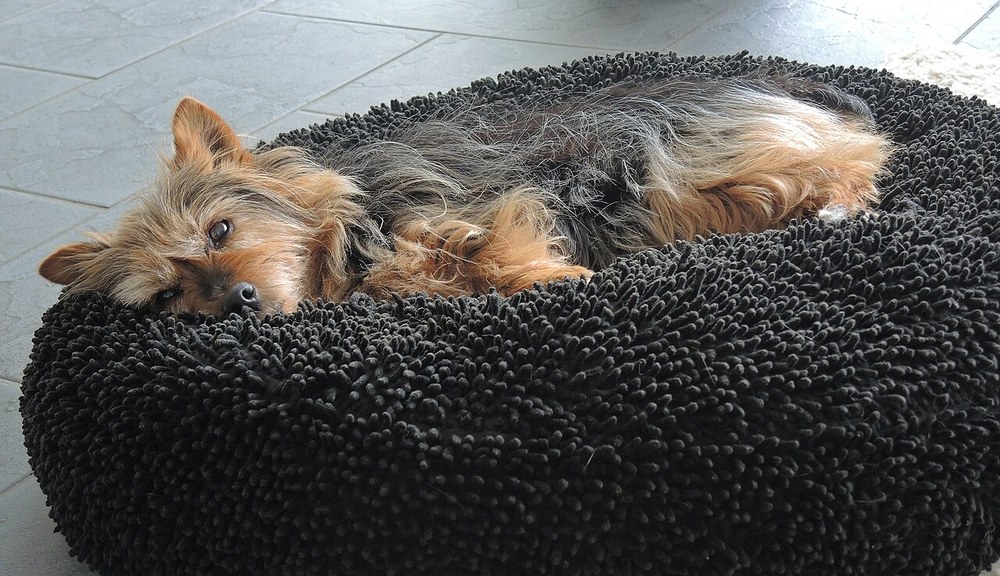
A toy-sized Australian terrier with Yorkie looks and real terrier drive: alert, bold and affectionate. Needs a barking plan, a long line and a daily comb.
Dog fence fighting or running the fence with the neighbor’s dog? Add visual barriers, supervise yard time and train calm alternatives step by step.
Need a read on your exact situation?
Send me a few lines about your Australian Terrier: how old it is, what it does in the garden and on walks, and what happens at the door. We rule out health and safety issues first, then choose one skill to start with.