White Swiss Shepherd Dog: temperament, training and daily work for the white shepherd
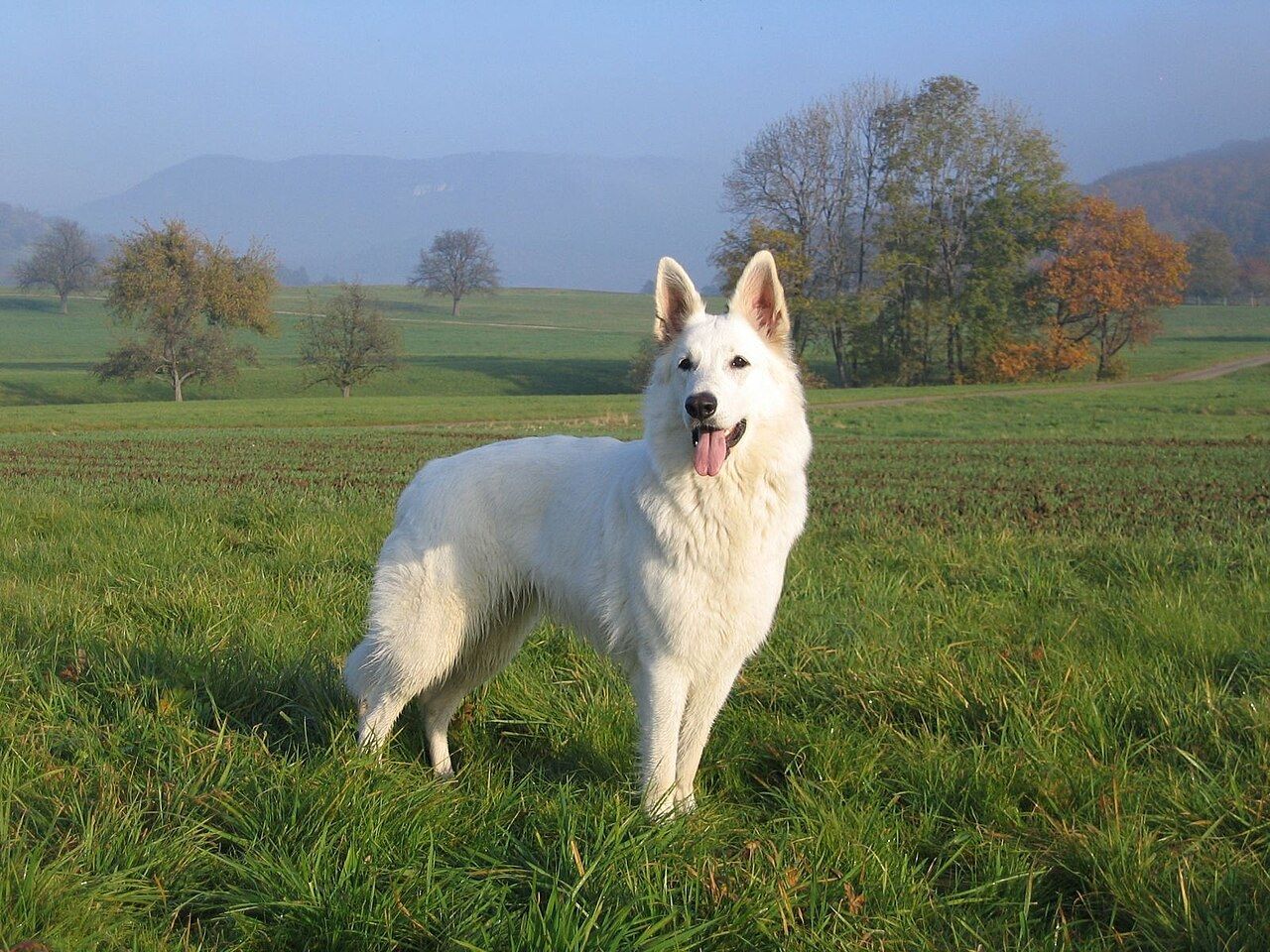
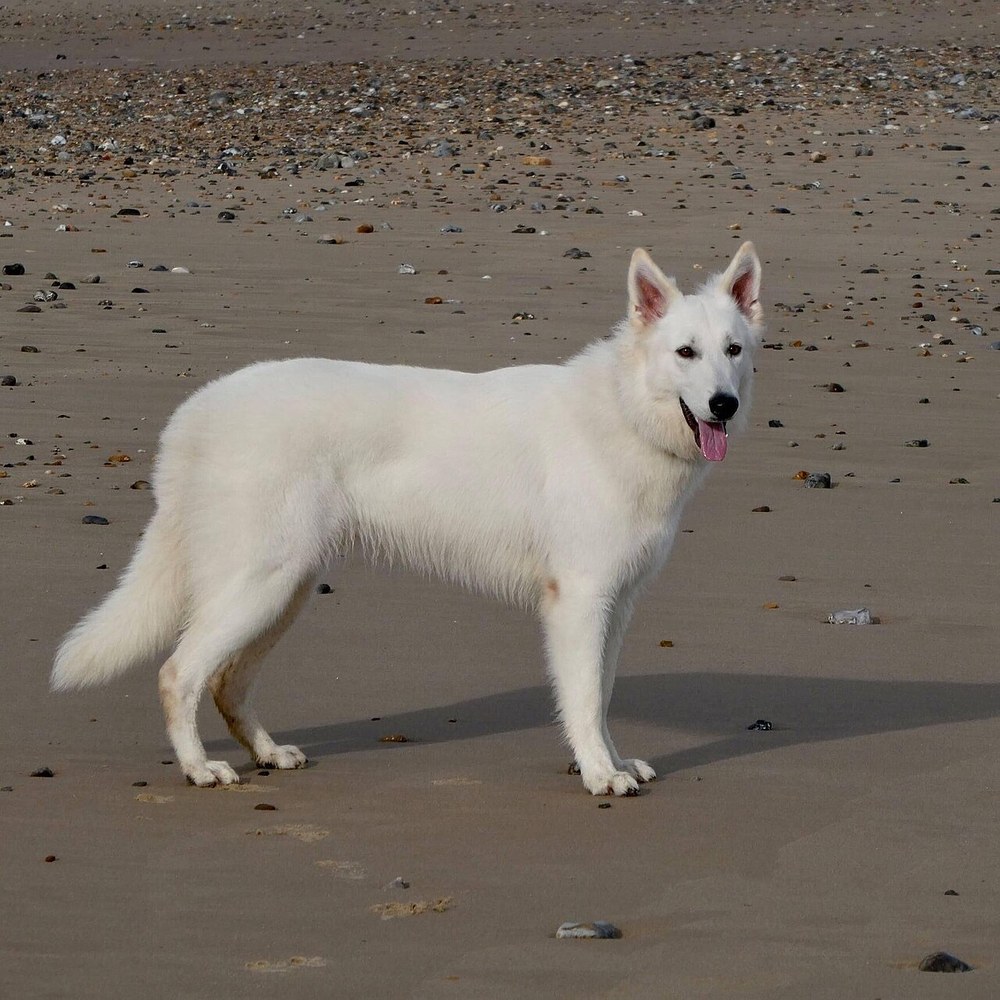
The White Swiss Shepherd Dog, or Berger Blanc Suisse, is a white shepherd breed developed in Switzerland from white shepherd dogs brought over from North America. You get a large, gentle, people-focused dog that is often softer than many German Shepherd lines, but it is still a working shepherd with a busy brain, a strong voice and a big shed. What works is calm, early socialization, daily training with food, real exercise and a plan for alert barking and visitors.
Job: A large white shepherd from Switzerland, recognized by the FCI in Group 1; short or long stock coat.
Energy: Gentle and people-focused, often sensitive, with alert barking and a heavy shed.
Home: Suits an active home that enjoys training and wants a close, soft-natured working dog.
A White Swiss Shepherd is a softer shepherd, and it is still a shepherd
People see a white, fluffy, gentle-looking dog and expect an easy family pet. The White Swiss Shepherd Dog is often kinder and less intense than many German Shepherd lines, but it was bred from working shepherds and still needs a job, training and company.
What I meet in family homes is usually a loving, slightly sensitive dog that follows its people everywhere. The hard parts are alert barking at the window and door, worry about strangers in some dogs, teenage jumping and mouthing, and a dog that gets restless and noisy when it only has short walks. None of that is a bad dog. It is a shepherd without enough to do.
My plan has four parts. Calm, gradual socialization so new people are no big deal. Daily training sessions with food. Real exercise, including sniffing and play. And a clear routine for visitors and the doorbell so the house stays calm.
Males 60–66 cm (about 23.5–26 in), females 55–61 cm (about 21.5–24 in)
Weight
Males about 30–40 kg (66–88 lb), females about 25–35 kg (55–77 lb)
Energy
Medium to high; needs daily exercise and training
Coat / shed
Dense double coat, medium-length stock hair or long stock hair; pure white
Job
Shepherd and companion dog (FCI Group 1)
Breed history
How North American white shepherds became a Swiss breed
The history will not train your dog, but it explains the shepherd body, the working brain and why this breed is often gentler than its German cousin.
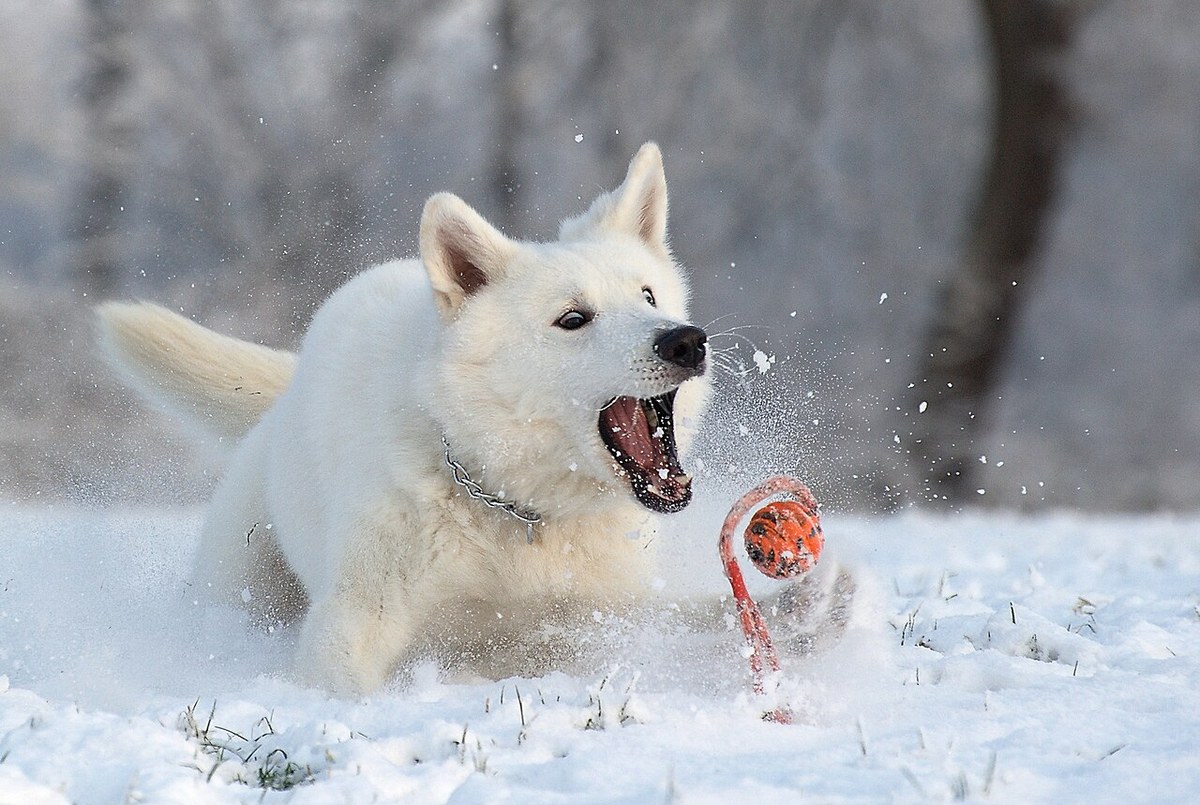
A White Swiss Shepherd playing in the snow: a working shepherd that needs real exercise and games.
North America → Switzerland
White dogs from German Shepherd lines
Breed histories describe white puppies appearing in German Shepherd lines and being bred on in North America after white coats fell out of favour in the German Shepherd standard. In the 1970s white shepherds from the US and Canada were imported to Switzerland and bred there.
What matters for an owner is that the White Swiss Shepherd still has a shepherd’s brain and body: it wants work, notices everything and likes to stay close to its people.
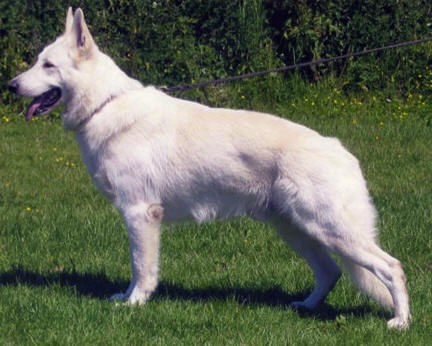
Bossanova of White Angel, described on Commons as the first White Swiss Shepherd in Holland with the IPO III working title.
Swiss breed, FCI standard
From imported white shepherds to a recognized breed
Swiss breeders built a standard around a calm, friendly, medium-to-large white shepherd, and the breed was later recognized by the FCI as the Berger Blanc Suisse. Many kennel clubs now list it as the White Swiss Shepherd Dog.
Today it lives as a family companion and works in obedience, tracking, search, therapy work and dog sports. The best dogs are both gentle and keen to work.
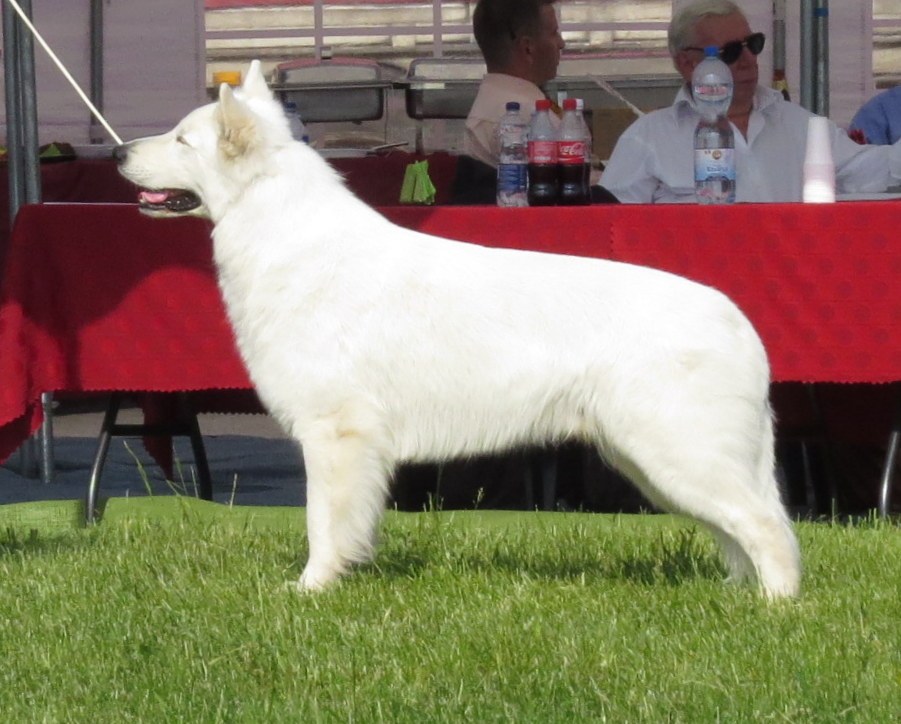
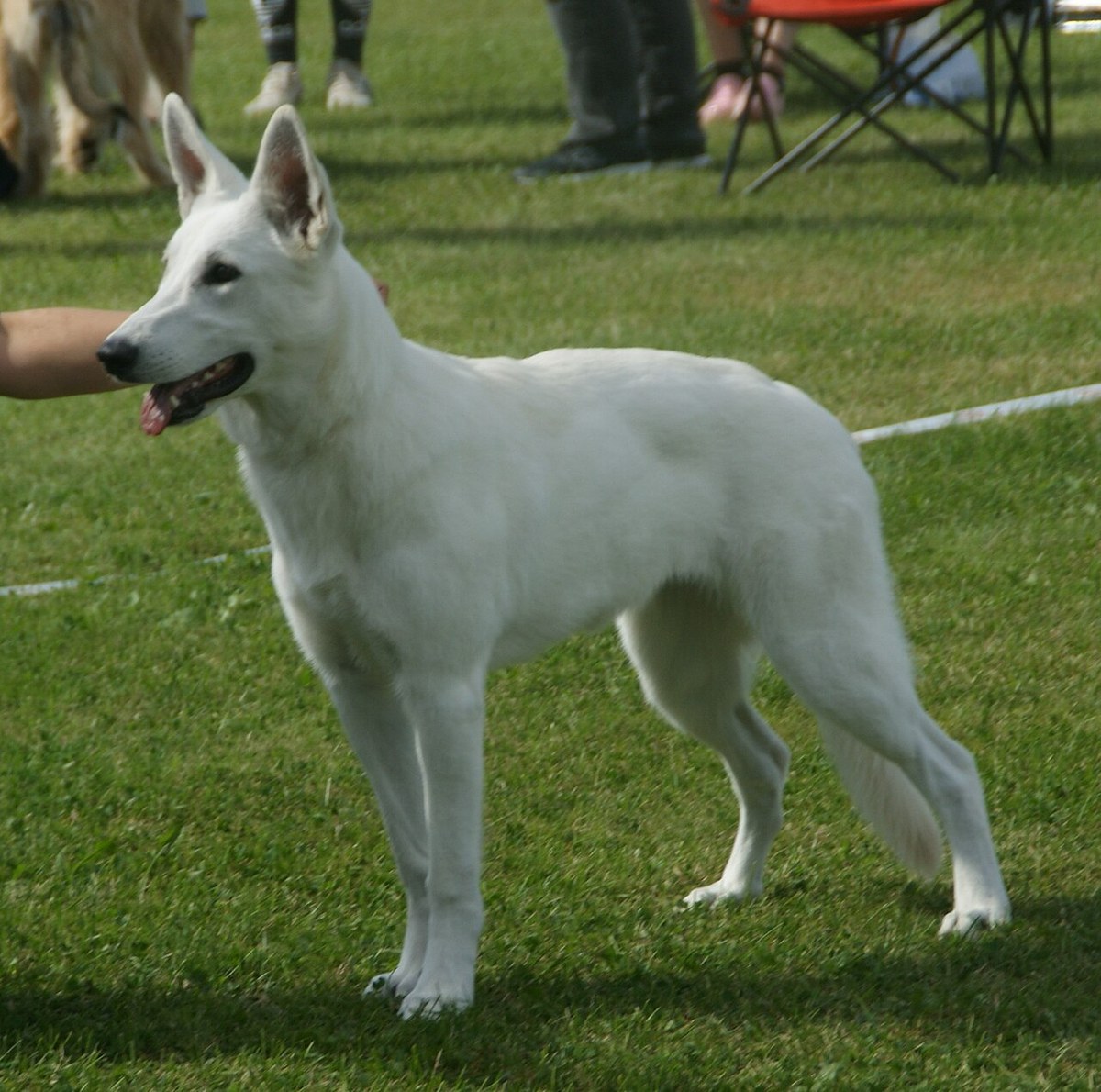
A White Swiss Shepherd at a show in Lithuania: long body, upright ears and the pure white coat of the breed.
What the breed was bred for
Gentle at home, watchful outside
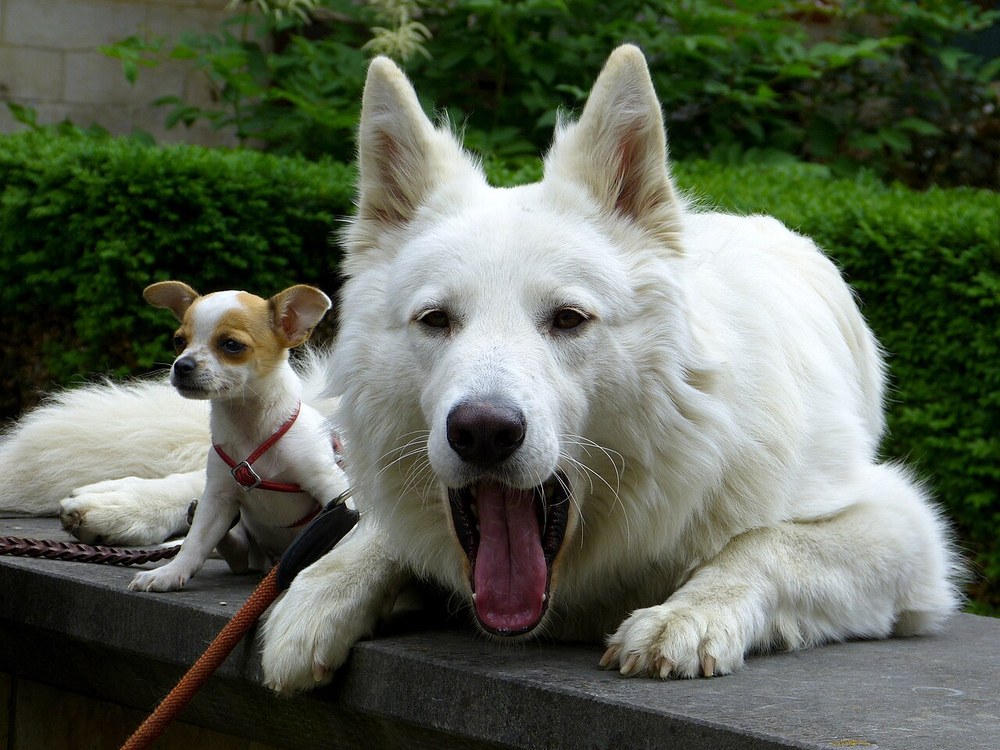
Day to day you live with a dog that is often affectionate, cuddly and keen to please. Many are good with children they grow up with.
The same dog can be noisy at the door and cautious with new people or places. Harsh handling makes sensitive dogs worse. Food, patience and clear routines make them better.
A good day is a long walk, a short training session, a game and a nap close to its people
Most White Swiss Shepherds do well with a long daily walk, short training sessions with food and calm routines at home. Trouble usually starts with too little exercise, no plan for visitors and the doorbell, or harsh corrections for a sensitive dog.
Morning · walk
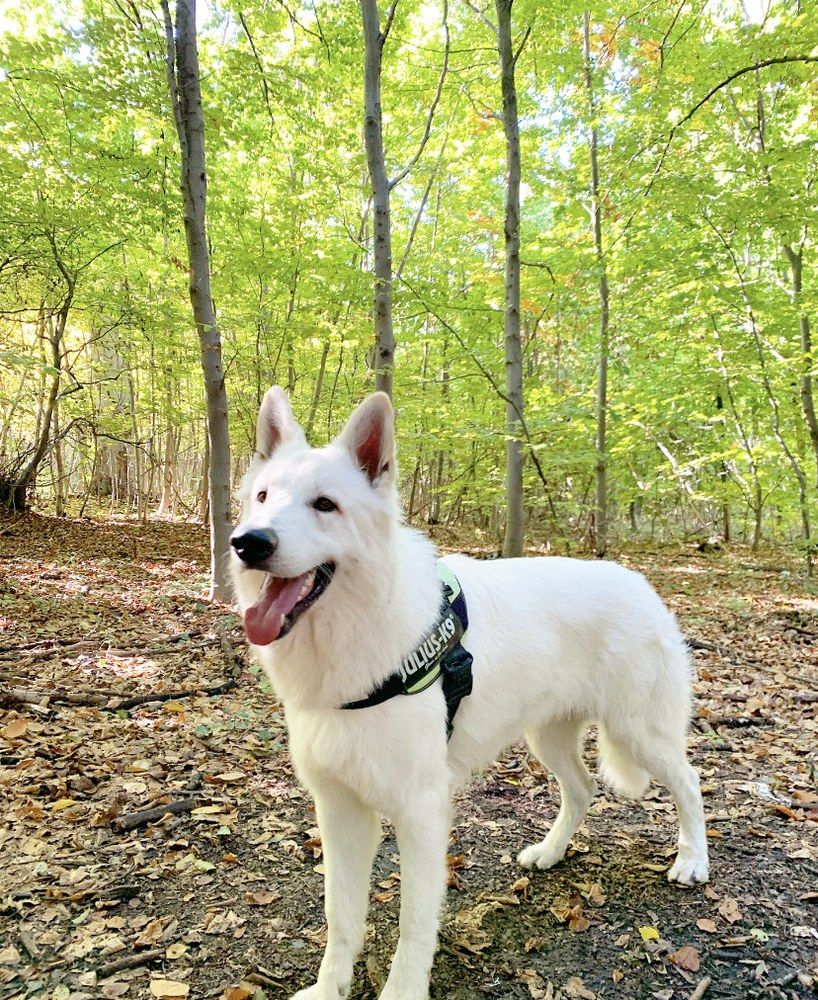
A long walk with time to sniff
A walk where the dog can sniff, explore and move freely on a long line does more than a quick loop around the block. Check in with food when it looks back at you.
Gentle with its own family, careful introductions for new ones
Many White Swiss Shepherds live happily with small dogs and children they know. New dogs and new people still need slow, calm introductions, so the dog can watch first and choose to say hello.
Short daily sessions with food keep this shepherd brain busy and build trust. Hand target, sit for greeting and a loose lead are good first skills. Skip harsh corrections; sensitive dogs shut down.
Both coat types shed heavily, especially when the season changes. Brush several times a week and daily during the shed. Start handling of paws, ears and mouth early so grooming and vet visits stay easy.
After the walk and training, send the dog to a bed with a chew. Same cue every evening. It helps a watchful dog switch off instead of patrolling the windows.
General awareness only. I am not a veterinarian. With White Swiss Shepherds, owners often notice trouble first as a change in how the dog moves, gets up or plays, or as skin trouble under the thick coat. For red flags, leave this page and open
when to call the vet.
Joints and growth
This is a large dog that grows fast. Keep puppy exercise sensible and treat any limp as a vet question. See limping stop list.
Skin and coat
Check the skin under the coat during brushing, especially after swimming or rain.
Weight
Keep a lean, athletic shape. Ask your vet to judge condition. See BCS check at home.
Digestion and meals
Ask your vet about meal size and rest around exercise for a large, deep-chested dog.
Vet visits
Tell the vet the breed and practise handling at home so exams stay calm for a sensitive dog.
Ask the breeder
Ask which screenings the national breed club recommends for the parents, and ask to see the results. Do not invent disease claims from a blog.
Lines and types
Companion and working White Swiss Shepherds both need training and a job
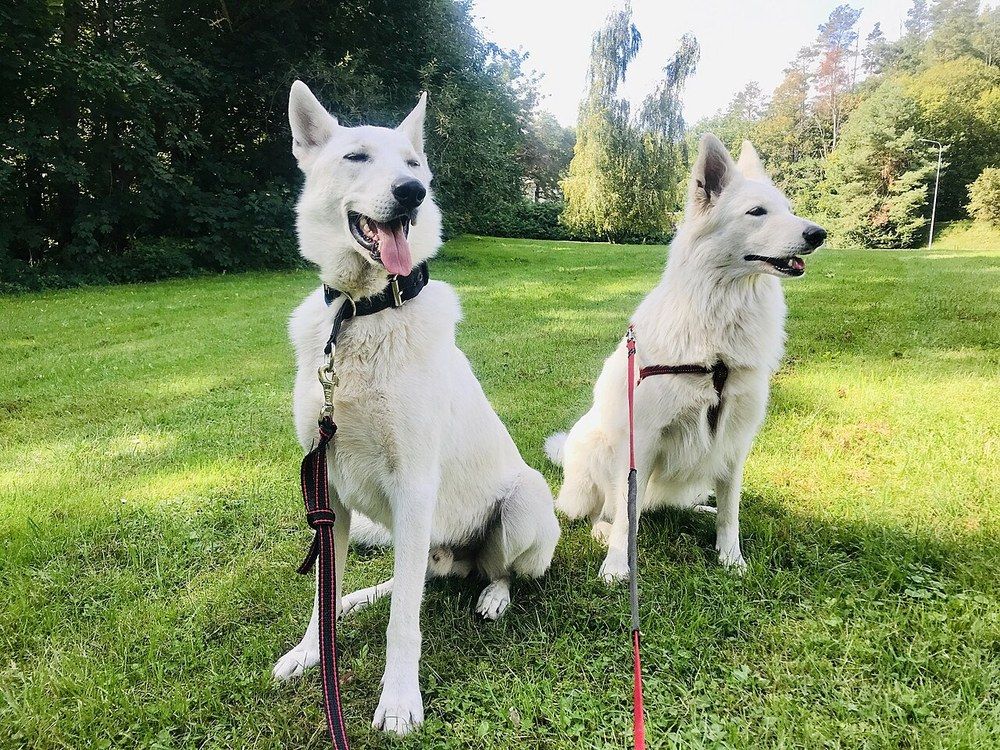
No bloodline selling. Dogs differ in how confident they are with strangers, how vocal they are and how much work they want. All of them need daily exercise, training and company. Meet the parents and watch how they greet you and how quickly they settle.
Family companion homes
Daily long walks and play.
Short training sessions every day.
Planned greetings for visitors.
Brushing time in the weekly routine.
Suits an active family that wants a gentle, close dog and enjoys training.
Sport and working homes
Obedience, tracking and nosework suit many.
Build fitness slowly until about two years.
Keep training positive and varied.
Rest days after hard work.
Suits an owner who wants a willing working partner without the intensity of many working shepherd lines.
Socialization windows
What to introduce — and what not to overload — by age
AVSAB-aligned in spirit: short, clean exposures at a distance the puppy can still eat,
with hygiene while vaccines finish. See the
puppy socialization schedule.
2–4 months
Home, gentle socialization and soft mouth
Introduce: calm trips to new places, friendly visitors with food, gentle handling, toilet plan, short alone-time steps.
Do not overload: crowded events, forcing the puppy toward people it is unsure about, rough wrestling games.
~6 months
Teenage shepherd
Introduce: loose-lead practice, longer sniff walks, sit for greeting, a doorbell routine.
Do not overload: long forced runs, letting the puppy jump on every visitor.
~12 months
Building calm
Introduce: recall on a long line, bed cue during visits, more new places, daily training games.
Do not overload: harsh corrections for barking or worry, skipping socialization because the dog seems fine.
~18–24 months
Growing up
Introduce: steady settle at home, sports or tracking if you enjoy it, gradual increase in exercise.
Do not overload: heavy jumping and long runs before the body is mature.
Do not overload: assuming the dog no longer needs mental work.
Before you buy
Who a White Swiss Shepherd Dog usually fits
Fit comes down to daily exercise and training time, patience with a sensitive dog, tolerance for white hair everywhere and a plan for alert barking.
Good match
More likely a good fit if you…
You want a gentle, people-focused shepherd
You enjoy daily training and long walks
You can introduce visitors calmly and patiently
You are fine with heavy shedding and regular brushing
Someone is home for a good part of the day
Mismatch risk
A White Swiss Shepherd Dog may be a poor choice if…
You want a low-energy dog for short walks
You prefer a dog that needs no training
You want a hard guard dog
You dislike dog hair on clothes and furniture
You are away from home most of the day
If you are torn between breeds
White Swiss Shepherd Dog vs German Shepherd Dog and Belgian Tervuren
All three are shepherds from the same broad family. The White Swiss Shepherd is usually softer and less intense, with a pure white coat. The German Shepherd Dog is often more driven and protective, especially in working lines. The Belgian Tervuren is lighter, faster and very sensitive, with a long, dark-tipped coat.
Intensity
White Swiss Shepherd Dog
Usually gentle and moderate.
German Shepherd Dog
Often more driven and protective.
Sensitivity
White Swiss Shepherd Dog
Soft; shuts down with harsh handling.
Belgian Tervuren
Also very sensitive and quick to react.
Coat
White Swiss Shepherd Dog
Pure white; short or long stock coat.
Both compares
All three shed heavily.
Home fit
White Swiss Shepherd Dog
Active family that likes training.
Both compares
All three need daily training and exercise.
Ownership without surprises
Where a White Swiss Shepherd Dog owner’s budget goes
Costs depend on country, city and your choices. These are themes to plan for, not quotes.
Veterinary
Routine care plus checks the breeder and breed club suggest.
Food
A large active dog eats a lot over the years.
Training
Class or private help with socialization, recall and visitors.
Grooming
Good brushes, a strong vacuum and the odd professional de-shed.
Time
Daily walks and training sessions are the cost that never stops.
Training and calm routines matter more than anything you buy: a White Swiss Shepherd that knows what to do when guests arrive is far easier than one barking at the door.
Before day one at home
What to prepare for a White Swiss Shepherd Dog puppy
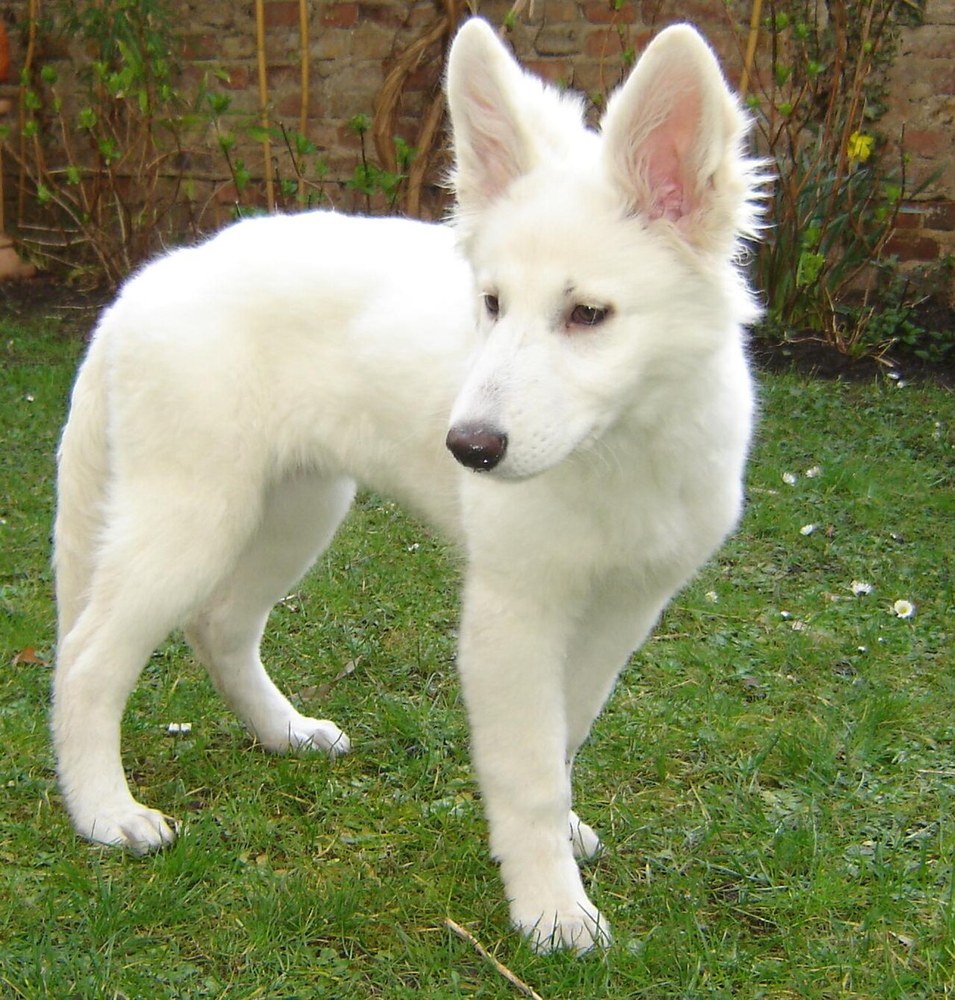
A White Swiss Shepherd puppy is soft, curious and mouthy, and some are a little cautious. Have a bed spot, food for visitors and a gentle socialization plan before it comes home.
Training a White Swiss Shepherd means daily lessons, gentle handling and calm visitors
The skills that matter most are few: a loose lead, sit for greeting, a bed cue during visits, a recall on a long line and quiet after one or two alert barks.
This breed loves to work for food and praise and learns quickly. It is also sensitive, so harsh corrections often create worry or shutdown.
A lot of the work is routine: exercise before visitors, a bed spot by the door and new experiences at a pace the dog can handle.
Load balance
Exercise and brain work first, then ask for calm
Age, joints and heat all change what is safe. A limp, heavy panting or sudden irritability mean a vet visit before more work.
Long sniff walkShort training sessionGame of fetch that endsBed with a chewLong nap
Walking, sniffing, training and play all count. A shepherd with only short walks starts guarding the windows instead.
A White Swiss Shepherd that has walked, trained and played will rest when guests arrive instead of barking at every move.
Calm visitors
How to teach a White Swiss Shepherd to settle when guests arrive
Exercise first, prepare a bed spot, let guests ignore the dog, reward calm from a distance and keep early visits short.
01
Exercise first
Walk and play before guests arrive so the dog can think.
02
Prepare a bed spot
Put a bed and a chew away from the door before the doorbell rings.
03
Guests ignore the dog
Ask visitors to skip eye contact and touching for the first minutes.
04
Reward calm
Drop food on the bed for quiet and lying down.
05
Keep visits short
Start with short, easy visits and build up over weeks.
One scene close-up
Why a White Swiss Shepherd barks at guests or hides from them
Most White Swiss Shepherds that bark or back away from visitors are watchful shepherds that are unsure what to do. Some are excited, some are worried.
Start with set-up: exercise before guests come, a bed spot away from the door, and visitors who ignore the dog at first. Then reward calm and let the dog choose when to say hello.
If the dog growls, snaps or panics, get help from a qualified professional.
“With a White Swiss Shepherd, I begin with three things: daily training with food, real exercise, and a calm routine for visitors. Once those are in place, this gentle shepherd becomes the easy, loving family dog people hoped for.”
Sessions cover the scenes that matter: visitors, door barking, walks, jumping and being left alone. I am a trainer, not a veterinarian.
Andrew DarovProfessional dog trainer and instructor
Tell me the age, how much exercise and training the dog gets and what goes wrong first: barking, visitors, jumping, pulling or alone time. Opens WhatsApp to Andrew.
Dog barking in the car at other dogs, bikes or the park? Why car barking starts and how to stop it: cover the view, use a crate, and do short quiet drives.
Need a read on your exact situation?
Tell me your White Swiss Shepherd’s age and the scene that keeps repeating: barking, visitors, jumping, pulling or alone time. We check safety and health first, then pick the first skill.