Police, military and sport → worldwide
A world-class working dog
Malinois are now widely used by police and military units and in protection sports.
Most are not suited to a typical pet home. Meet the parents and ask what work they do.
Belgian Malinois · Herding
The Belgian Malinois is a short-coated Belgian Shepherd selected for work. Most are intense, fast and devoted to their handler. Life goes well with structured daily work, a taught settle, experienced handling and calm socialization.
First, the point
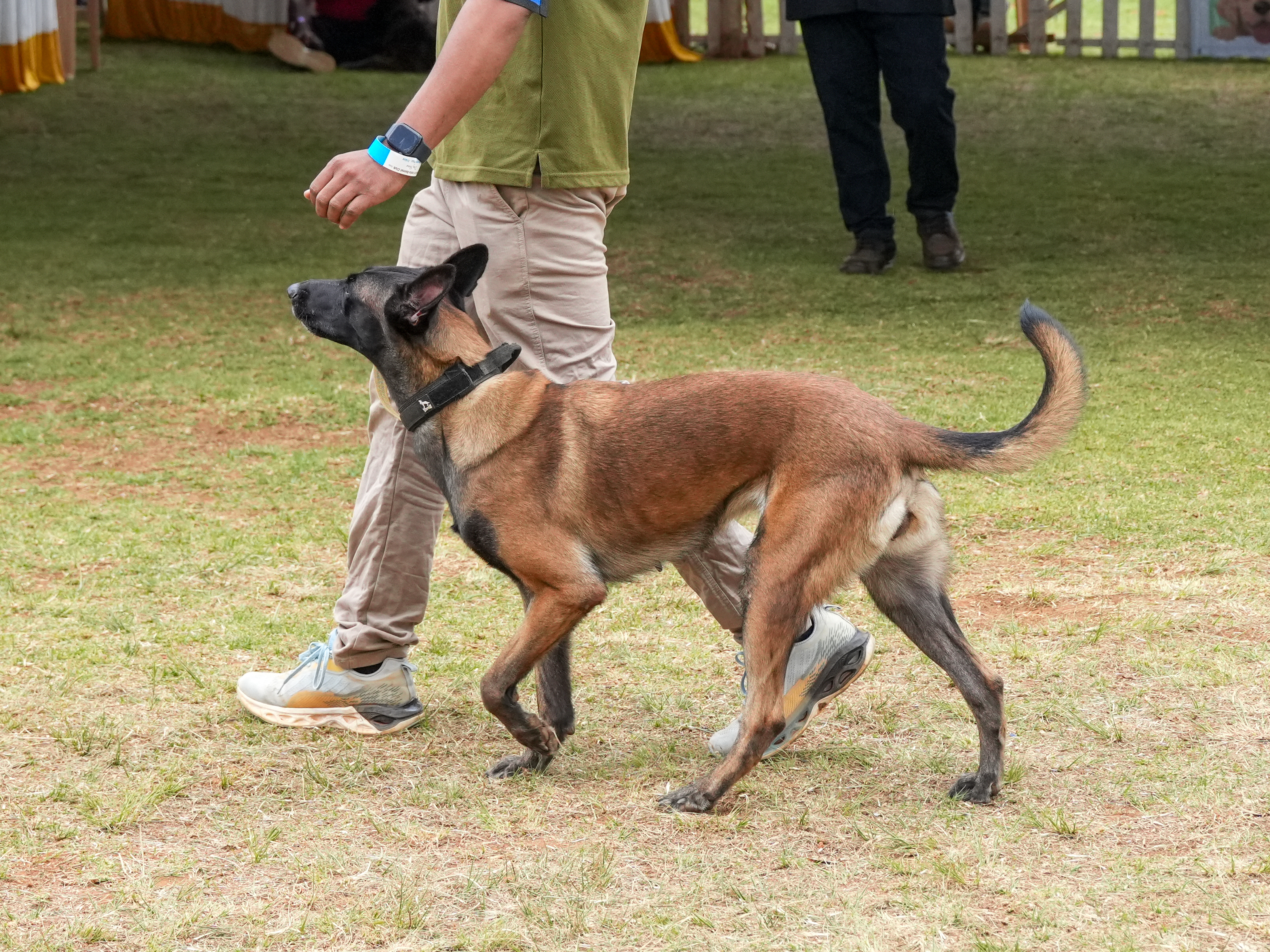
Public breed histories describe a Belgian sheepdog variety that became a leading police and military dog.
Most Malinois are high-drive and need a real job. The challenges are energy, mouthiness, reactivity and switching off.
From the first weeks, teach calm, handling, a settle and gentle mouths alongside play.
Breed history
Few breeds show their job as clearly. The Malinois was selected for work above all, so most are intense, fast, driven and need far more than a family pet usually gets.
Mechelen, Belgium, 1890s → sheepdog
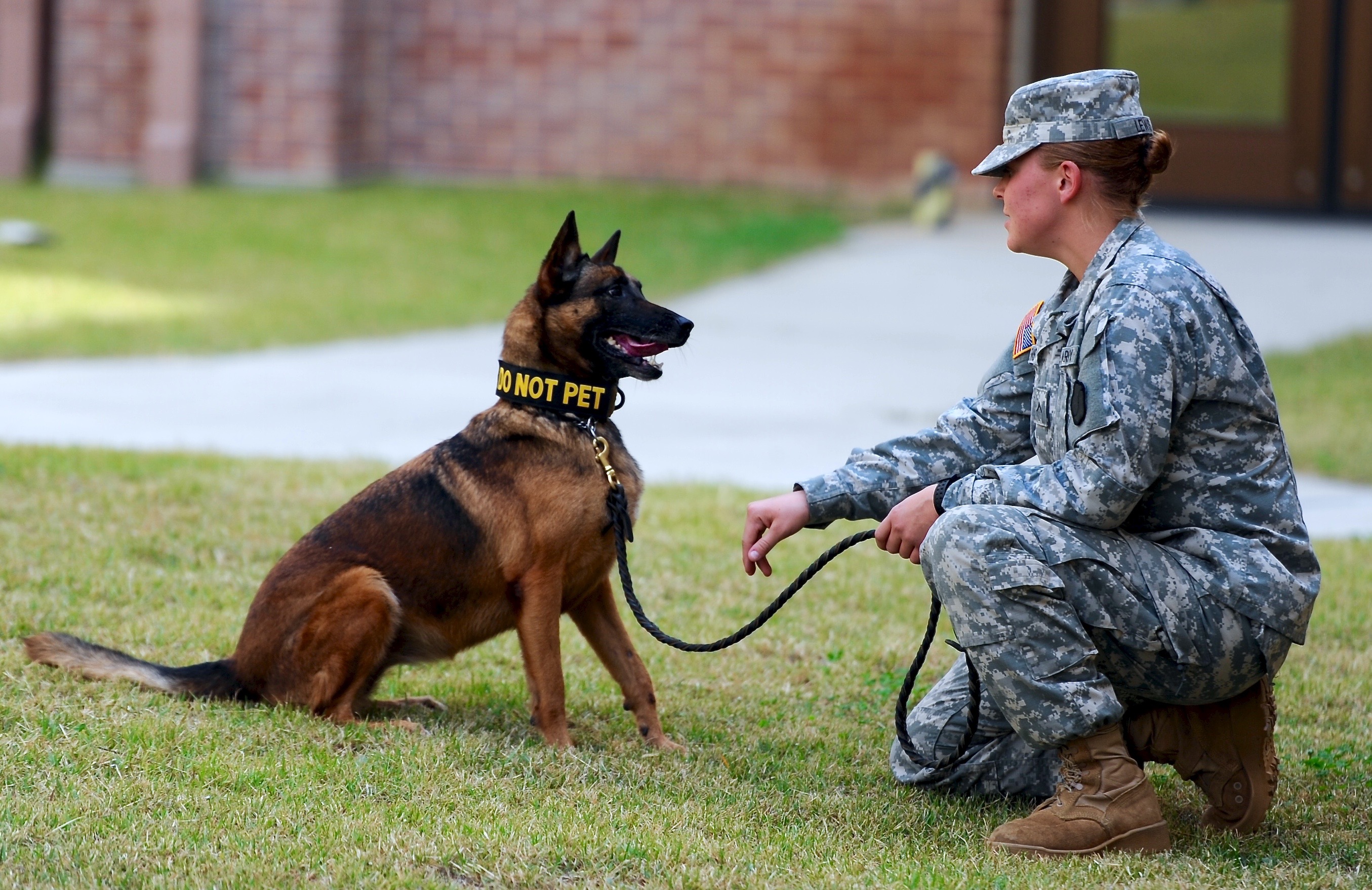
Public breed histories describe Belgian sheepdogs sorted in the 1890s into types by coat. The short-coated fawn dogs from around Mechelen became the Malinois.
Breeders selected for working ability, which explains the drive, speed and focus.
Police, military and sport → worldwide
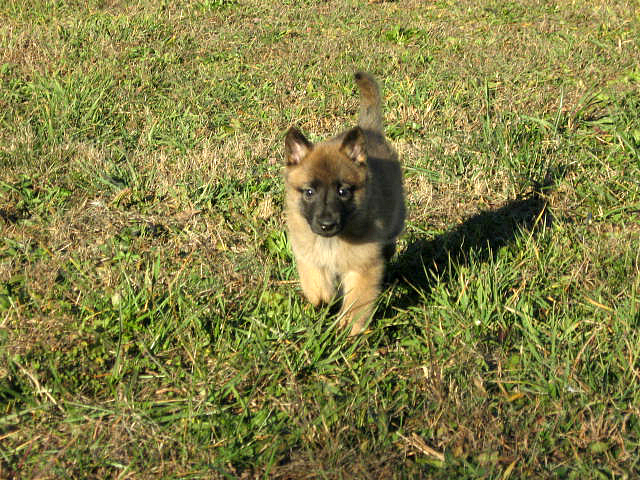
Malinois are now widely used by police and military units and in protection sports.
Most are not suited to a typical pet home. Meet the parents and ask what work they do.
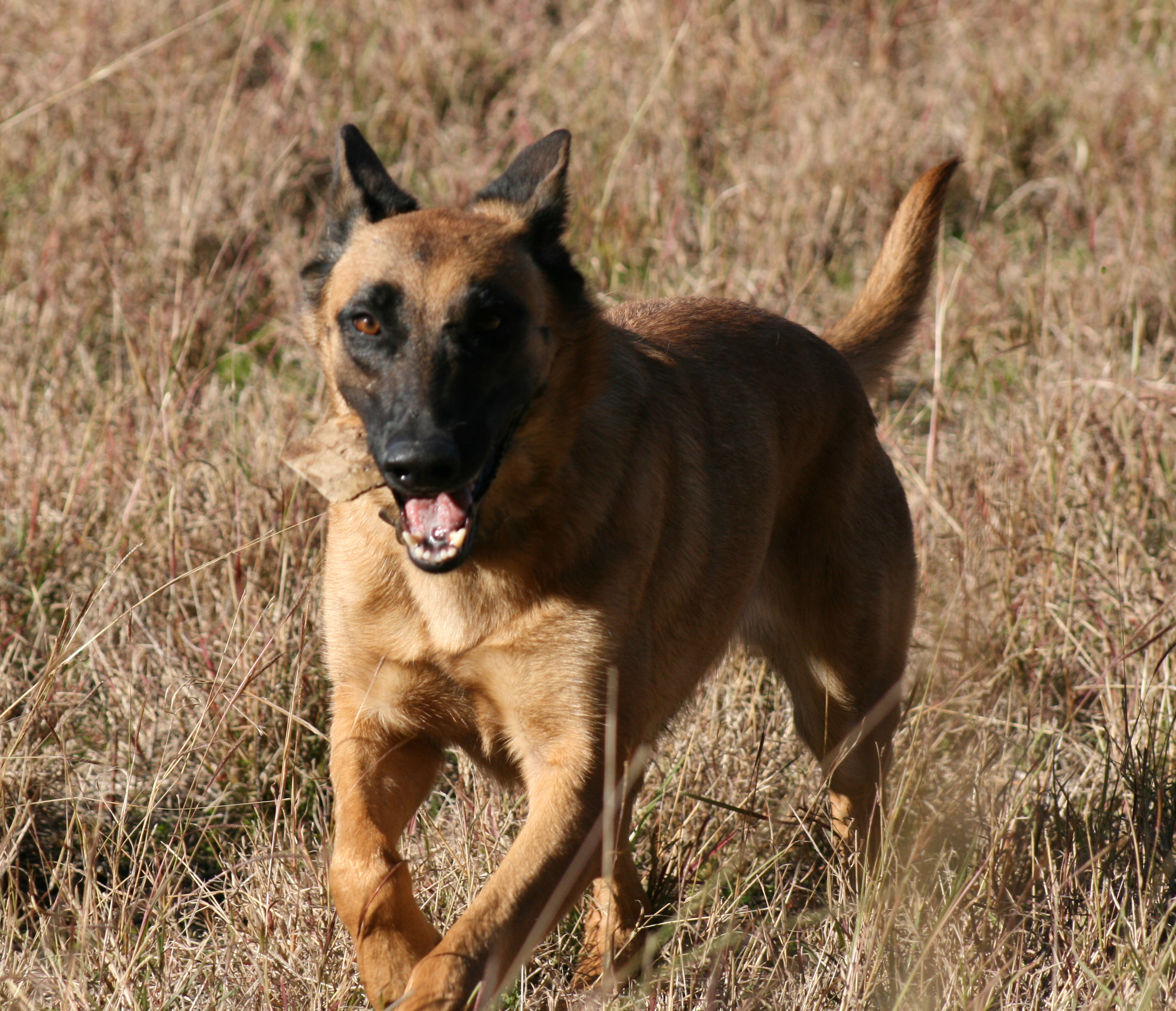
What the breed was bred for
In plain trainer language: the Malinois is a high-drive working dog that wants to work with its handler all day.
The challenges are energy, mouthiness, reactivity, frustration and a hard off-switch. Structured daily work and a taught settle are essential.
Public references: FCI 15, AKC Belgian Malinois, RKC.
Life together
Malinois need a job every day. Without one, many invent problems.
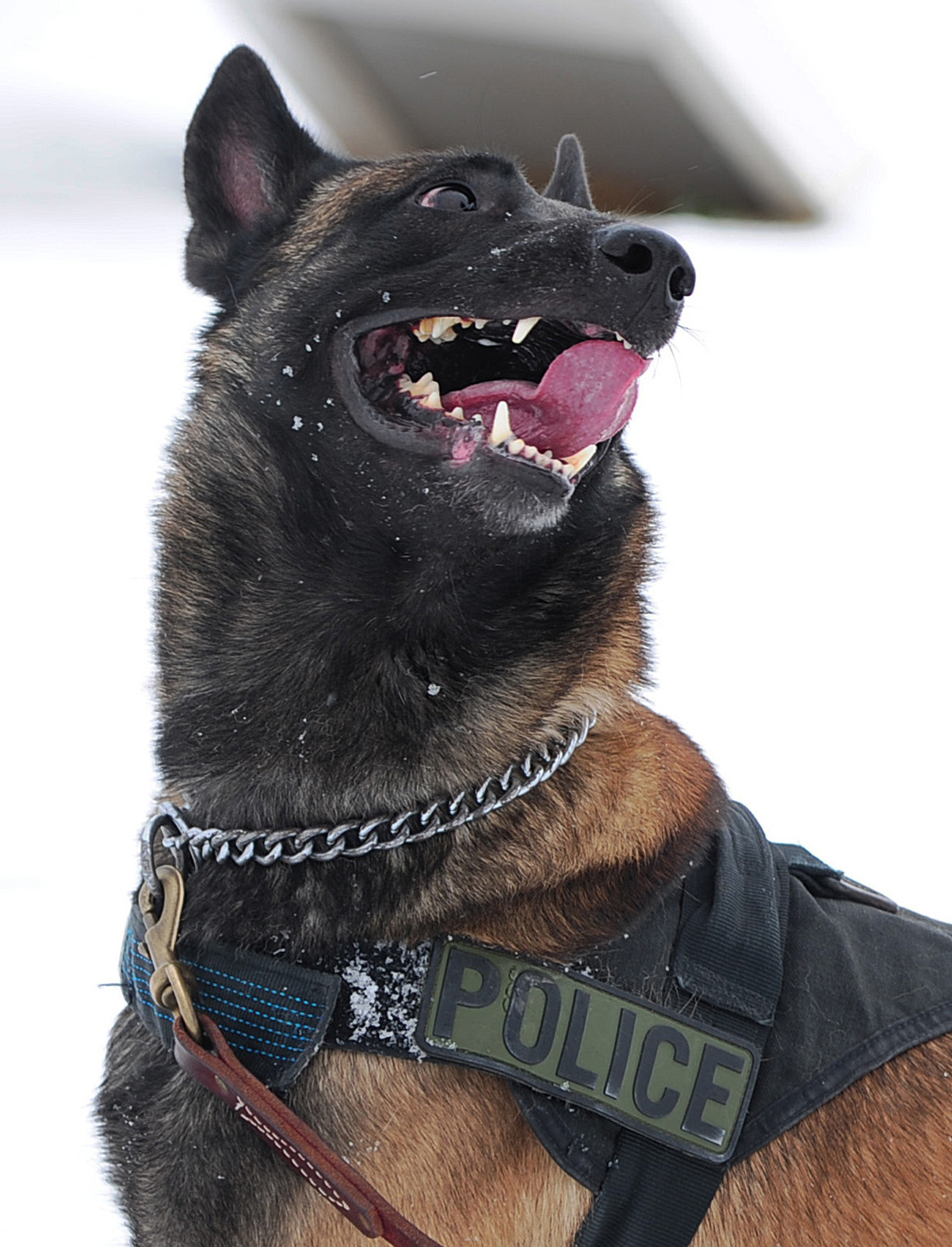
Many Malinois work with police or military handlers.
See name check-in.
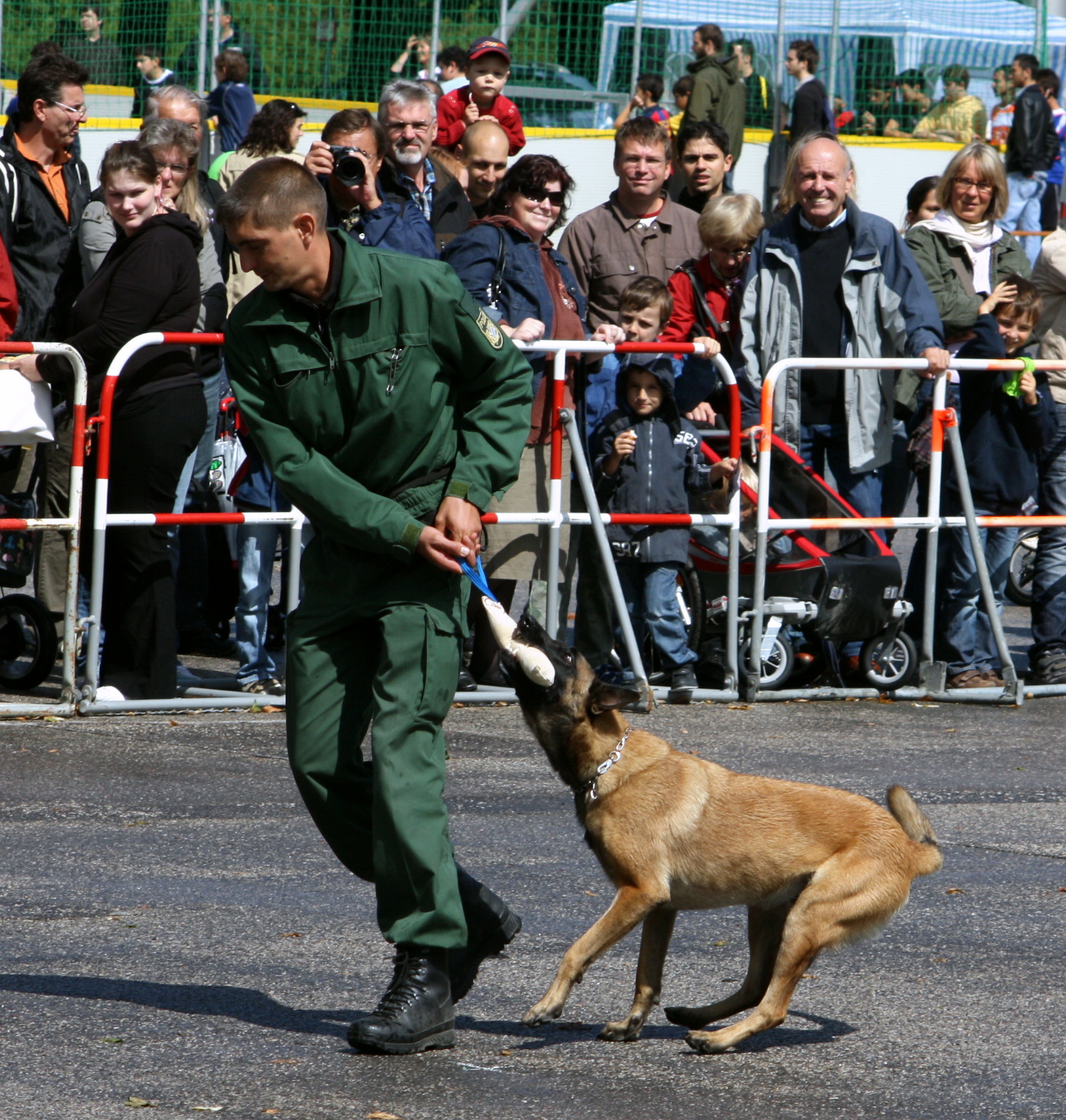
Protection sports need expert trainers and calm control.
See drop it.
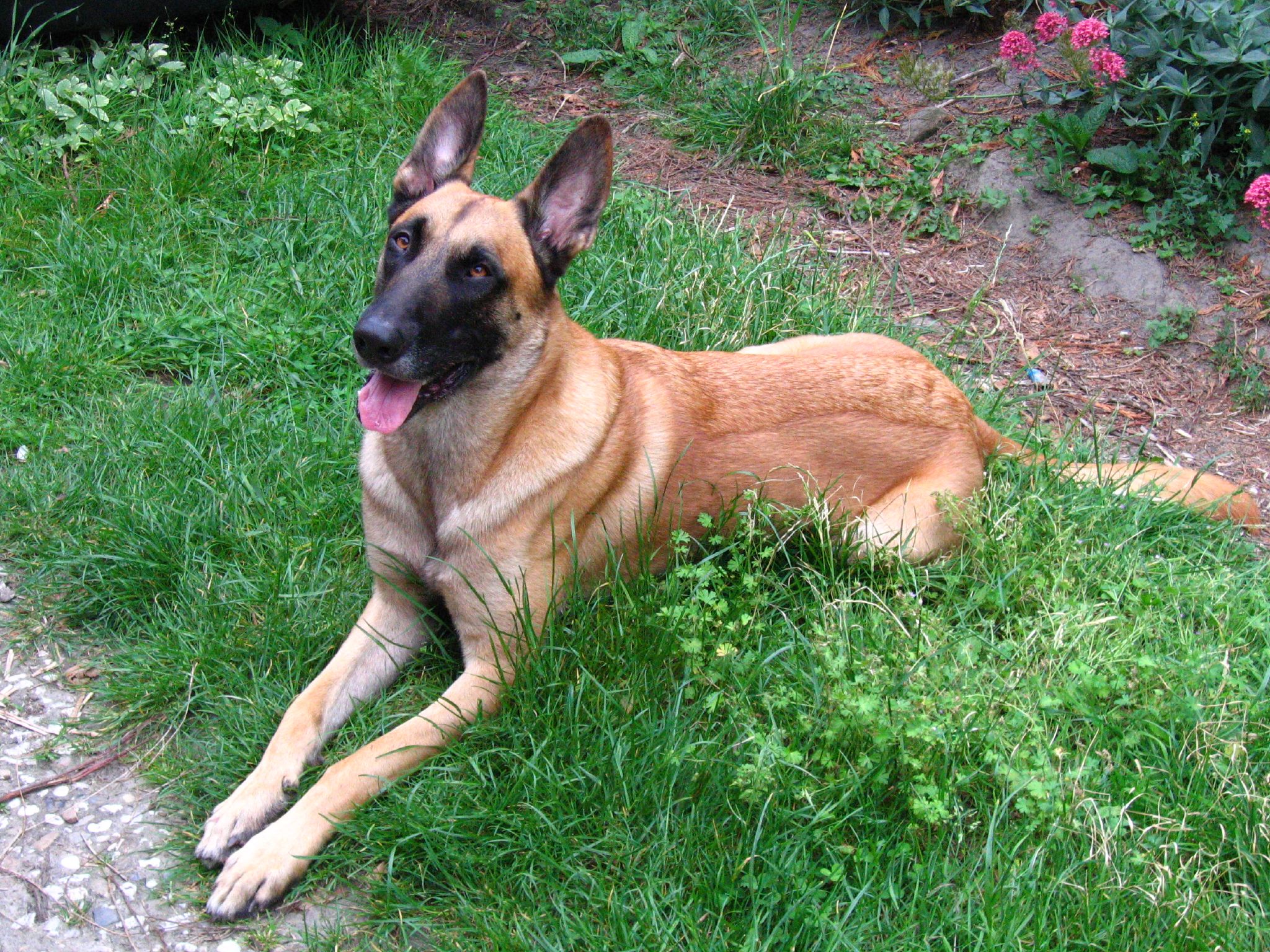
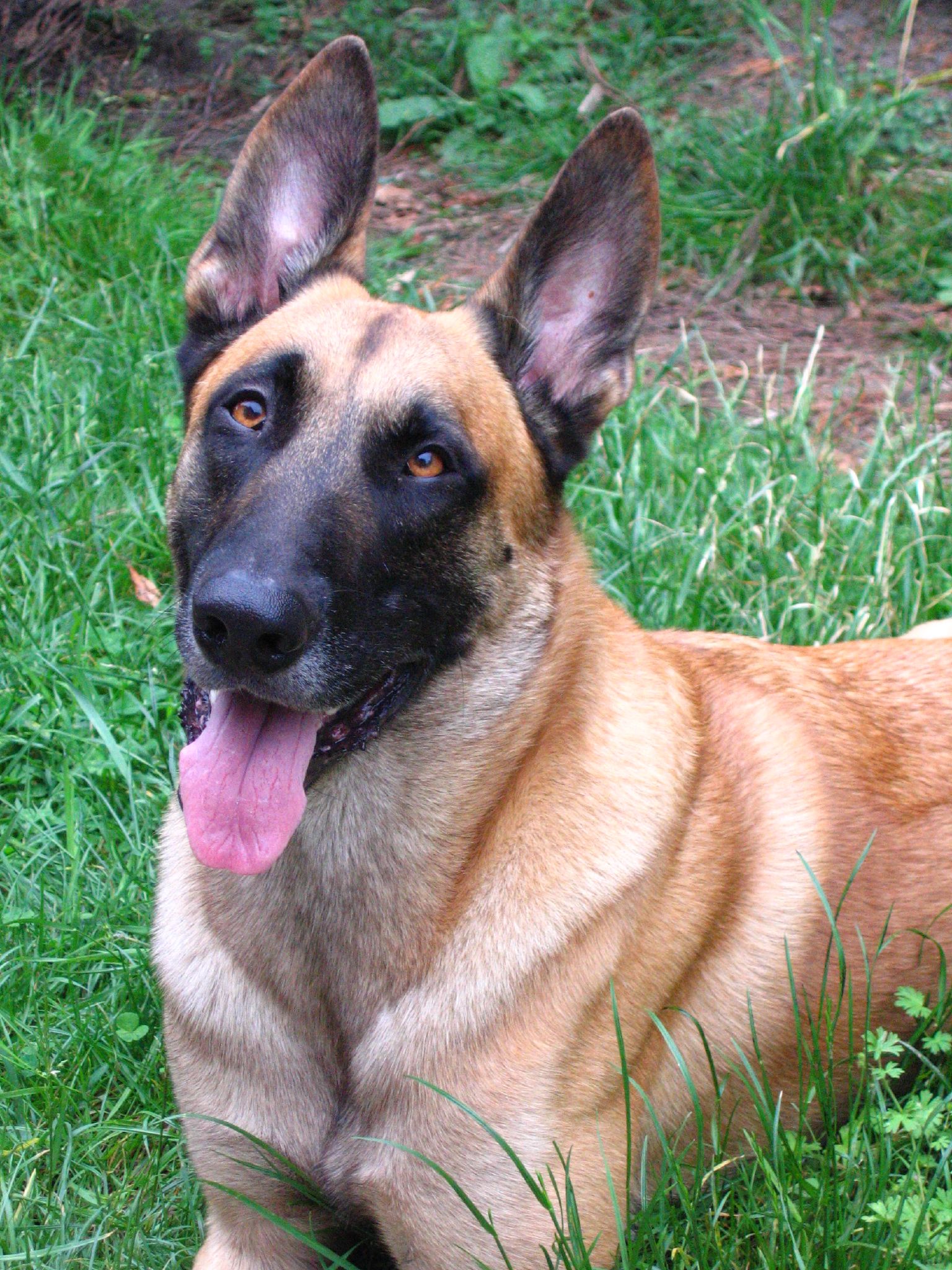
Malinois watch their handler closely. Use it for training.
See hand target.
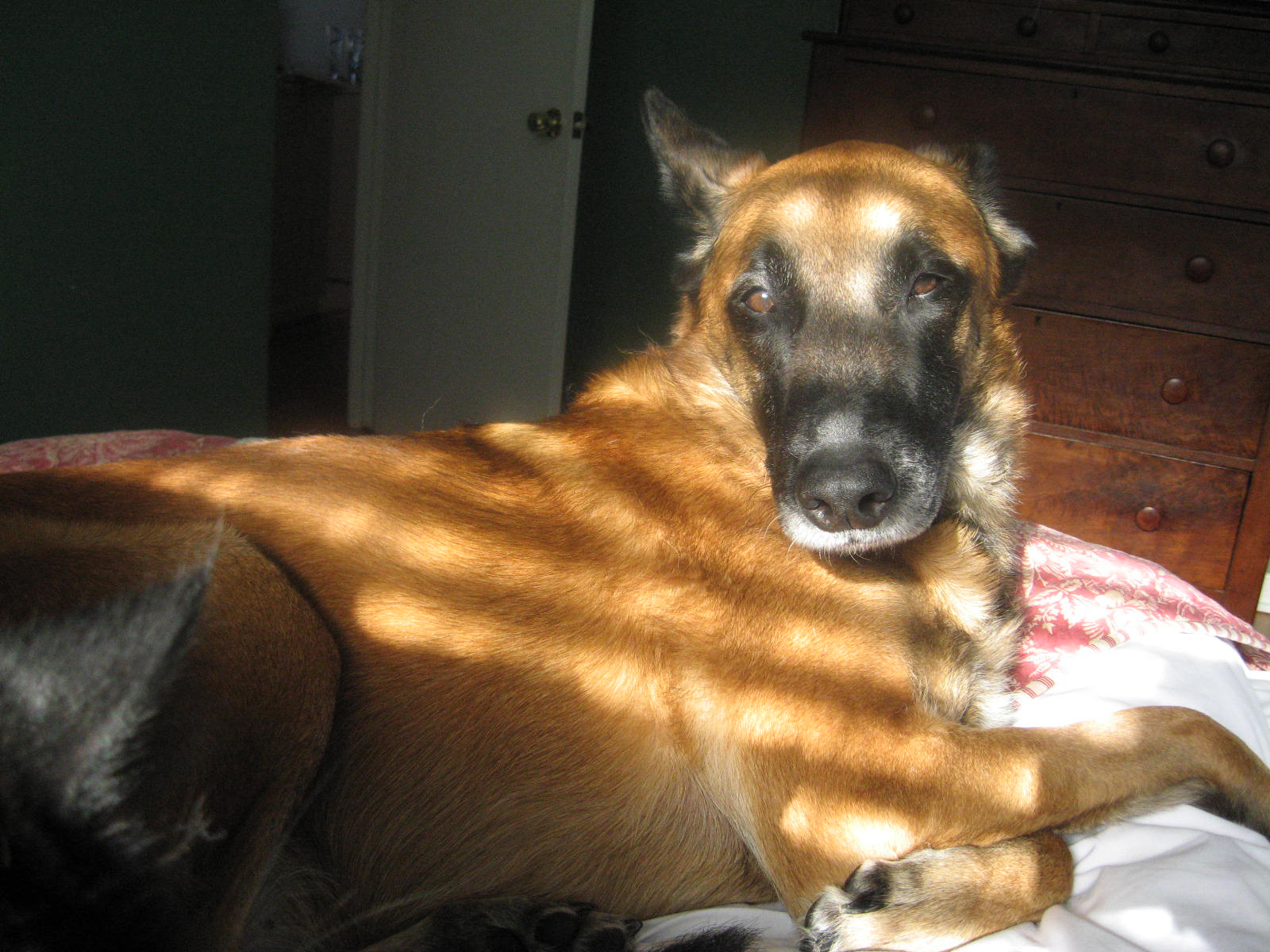
Care and health themes
General awareness only — I am a trainer, not a veterinarian. Notice limping, spinning or energy changes. For urgent signs, see when to call the vet.
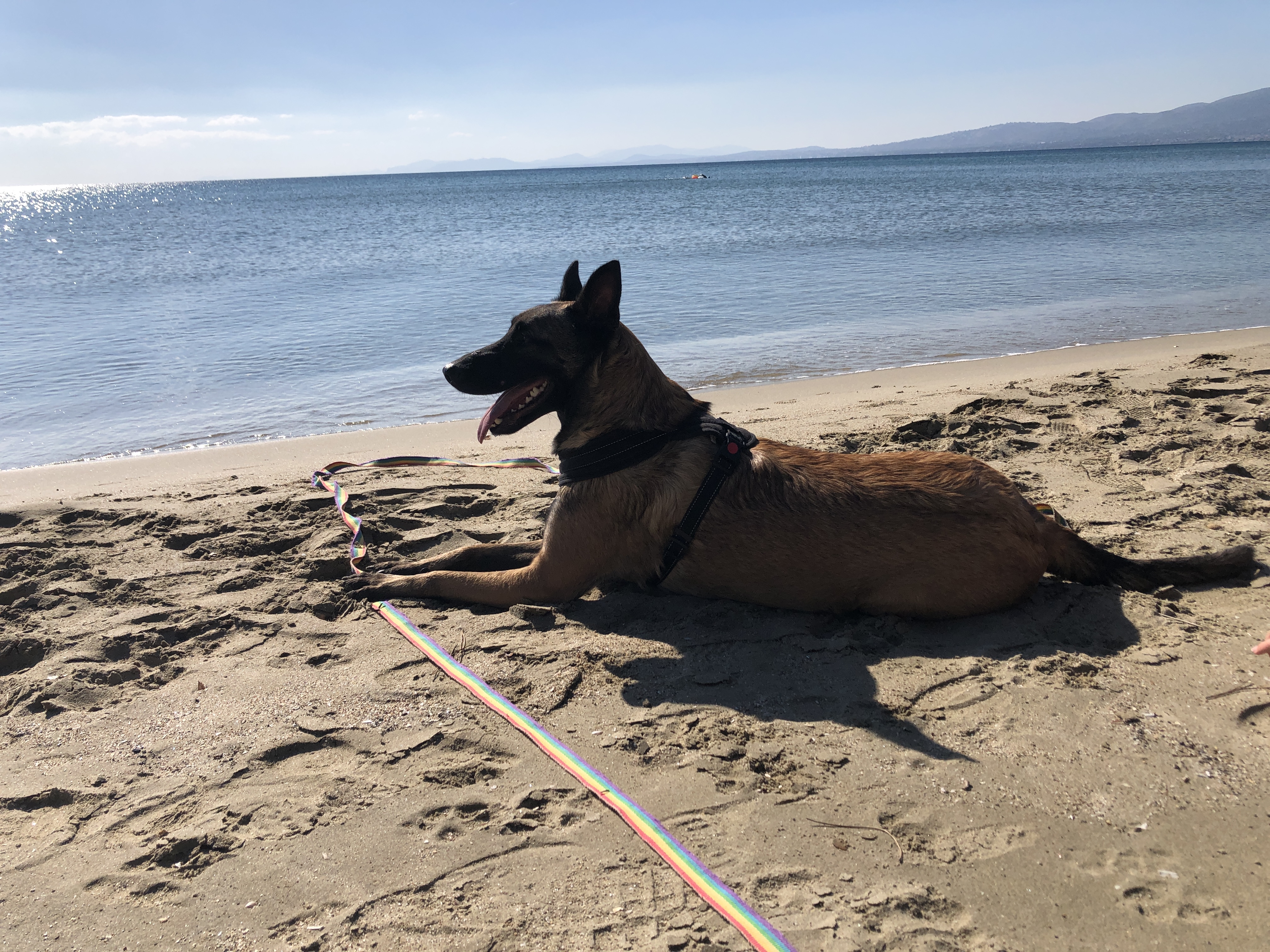
Notice limping or stiffness after hard work.
Check pads after rough ground; trim nails.
Keep the dog lean and fit.
Spinning, chewing itself or pacing can signal frustration. Ask a vet and trainer.
Ask the breeder which screenings the national breed club recommends and see results for both parents.
I do not publish toxin amounts. Call a vet or poison-control line if the dog eats something dangerous.
Lines and types
Most Malinois come from working lines; some from show lines. Both are active dogs.
For sport and working homes.
For experienced, active homes.
Socialization windows
AVSAB-aligned in spirit: short, clean exposures at a distance the puppy can still eat, with hygiene while vaccines finish. See the puppy socialization schedule.
Introduce: handling, crate rest, toilet routine, gentle play.
Do not overload: too much excitement.
Introduce: wait, drop it, recall, settle.
Do not overload: chasing and biting games.
Introduce: structured work, calm socialization.
Do not overload: frustration without outlets.
Introduce: sport or work training with experts.
Do not overload: skipping rest.
Introduce: refreshed settle and manners.
Do not overload: boredom.
Before you buy
A Malinois fits experienced handlers who train daily and want a serious working partner.
Good match
Mismatch risk
If you are torn between breeds
Malinois are compared with German Shepherds and Dutch Shepherds — other working shepherds.
Belgian Malinois Light, fast.
German Shepherd Dog Heavier, longer.
Belgian Malinois Very high.
German Shepherd Dog High, varies by line.
Belgian Malinois Short, fawn with black mask.
Dutch Shepherd Brindle, several coat types.
Belgian Malinois Police, military, sport.
Dutch Shepherd Police, sport, farm.
Belgian Malinois Very high.
Both compares All three need daily training.
Ownership without surprises
Costs depend on your area and goals. Plan for these — not quotes.
Experienced trainer or sport club.
Crate, tug toys, long line, muzzle training.
High, secure fencing.
Ask which screenings the national breed club recommends.
For a working dog.
Experienced carers only.
With a Malinois, expert training is the cost to plan first.
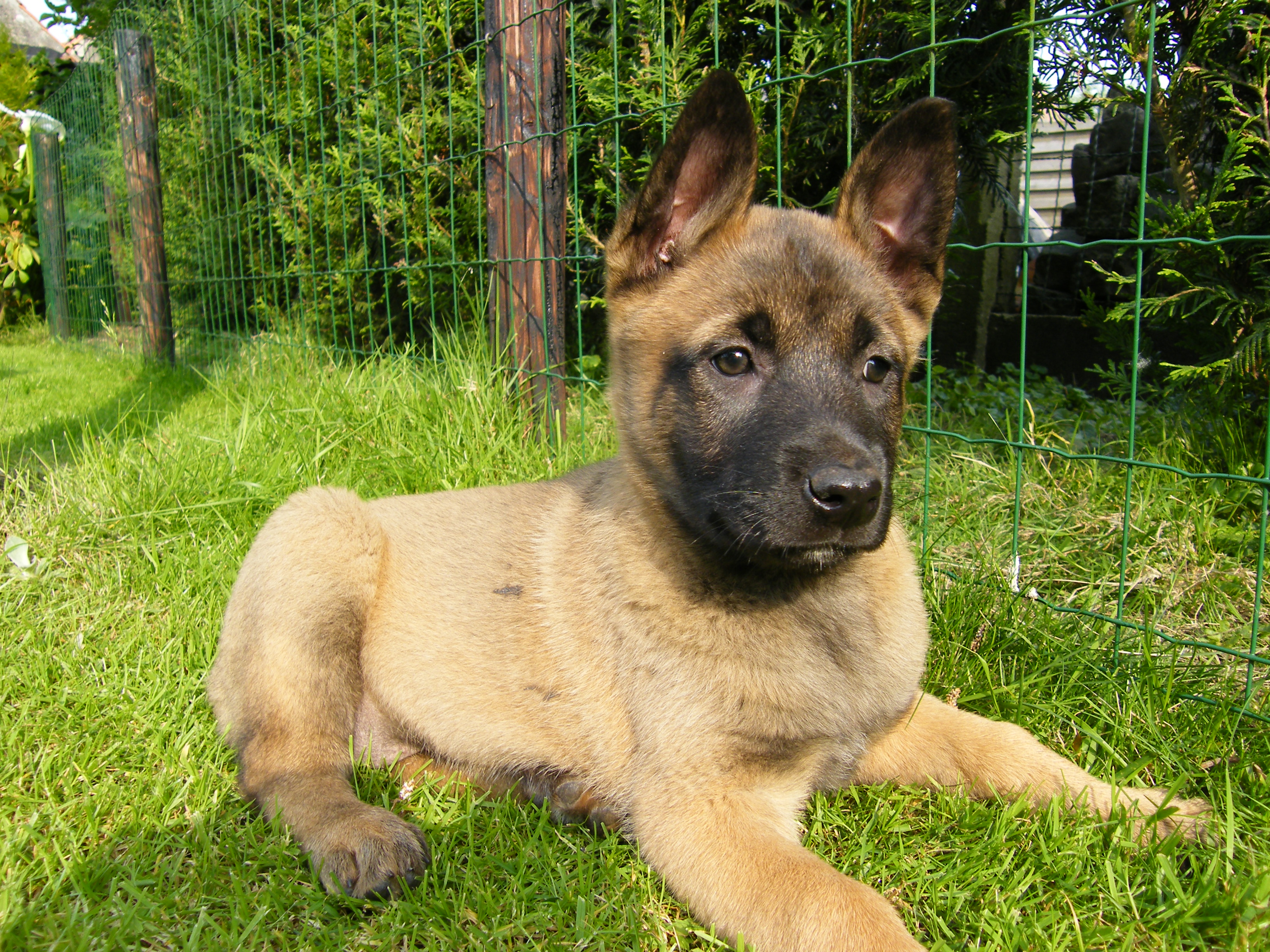
Before day one at home
A Malinois puppy is intense and mouthy. Teach calm and rest as well as play.
See biting and nipping.
See crate calm release.
See enforced naps.
See puppy handling.
See muzzle introduction.
If the dog is already yours
Malinois learn incredibly fast — good and bad habits alike.
Focus on impulse control, drop it, a settle and calm socialization.
Sport, scent work and obedience give them real work.
Load balance
Daily structured training suits most Malinois.
Obedience, scent work, tug with rules and sport suit most Malinois.
A Malinois that can work and rest is a remarkable partner.
Off-switch
Build a settle on a mat and use crate rest after work.
Train or exercise before practice.
Reward going to the mat.
Treat lying down and relaxing.
Short crate rests after work.
Add time slowly.
One scene close-up
The breed is selected for drive and alertness.
After work, send the dog to a mat or crate and reward calm.
If the dog cannot settle, reduce excitement and get expert help.
Typical household scenes
A breed page is only a starting point; the fix depends on health, environment, and the dog in front of you. Each row opens a step-by-step guide.
Grabs hands, clothes or the lead.
Lunges on walks.
Always on alert.
Barks or pushes at guests.
Reacts to bikes or runners.
Guards toys or food.
Fights confinement.
Limping, spinning or energy changes — vet first.
Practical view
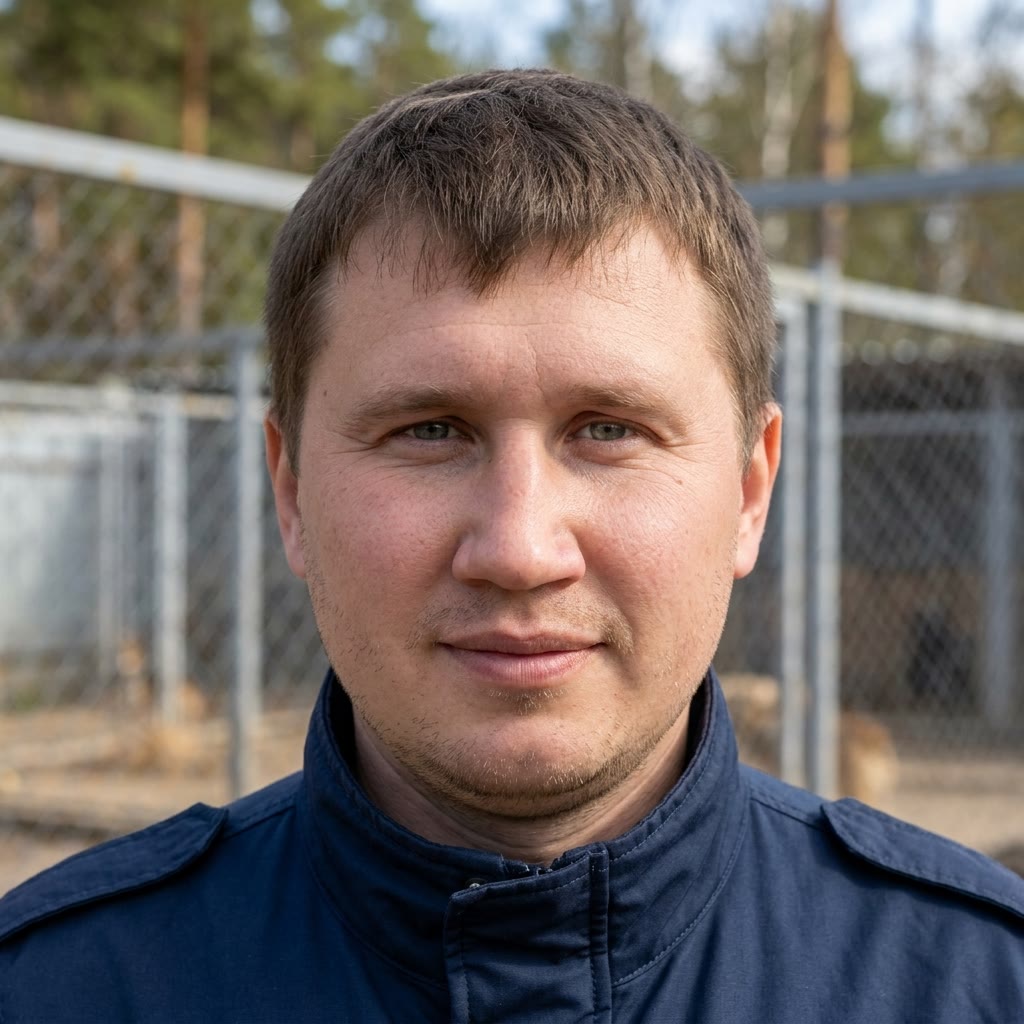
“With a Malinois, I teach rest as carefully as work. We build drop it, a settle and crate calm — because a dog with this much drive needs an off-switch.”
Sessions cover real scenes: mouthiness, reacting to dogs, never switching off, and guarding visitors. I am a trainer, not a veterinarian. No invented reviews.
Describe age, living setup, and where the dog breaks first — mouthiness, reacting to dogs, never switching off, or guarding visitors. Opens WhatsApp to Andrew.
Short answers
If you love the Belgian look but want a dog more often kept as a family and sport companion, consider this one.
A versatile German working shepherd that needs daily training, real exercise and a calm settle taught on purpose.
A brilliant, intense sheepdog that needs real daily work, training and a taught off-switch.
An athletic, people-focused German guardian that needs daily exercise, training, early socialization and help settling.
Long-coated Belgian Shepherd variety, active and sensitive.
Other guides from the same group in the breed library. Same group does not mean same dog: read the fit and the failure modes, not only the outline.
The long black Belgian herder (Groenendael). Needs real work, clear session endings and coat care — not a casual couch dog.
A sensitive, athletic long-coated Belgian Shepherd that needs gentle training, daily exercise and weekly brushing.
A large, calm and protective Flemish cattle dog that needs socialization, lead manners and regular grooming.
A loyal, protective French flock dog with a long wavy coat that needs socialization, thorough grooming and daily walks.
A sturdy, loyal Welsh herding dog with a full tail that needs quiet training, a lean body and back-friendly exercise.
A gentle, loyal Scottish herding dog that needs kind training, steady socialization and weekly brushing.
Describe your Belgian Malinois’s age and the scene that repeats most: mouthiness, reacting to dogs, never switching off, or guarding visitors. We check safety first, then pick the first skill.
Written by Andrew Darov, professional dog trainer. Not veterinary advice and not a diagnosis.
Not a kennel club. No invented reviews. No vaccine schedules or toxin doses. Photo credits in
/images/breeds/belgian-malinois-guide/credits.md.