American Water Spaniel: temperament, retrieving, energy and training for the brown curly Great Lakes gundog
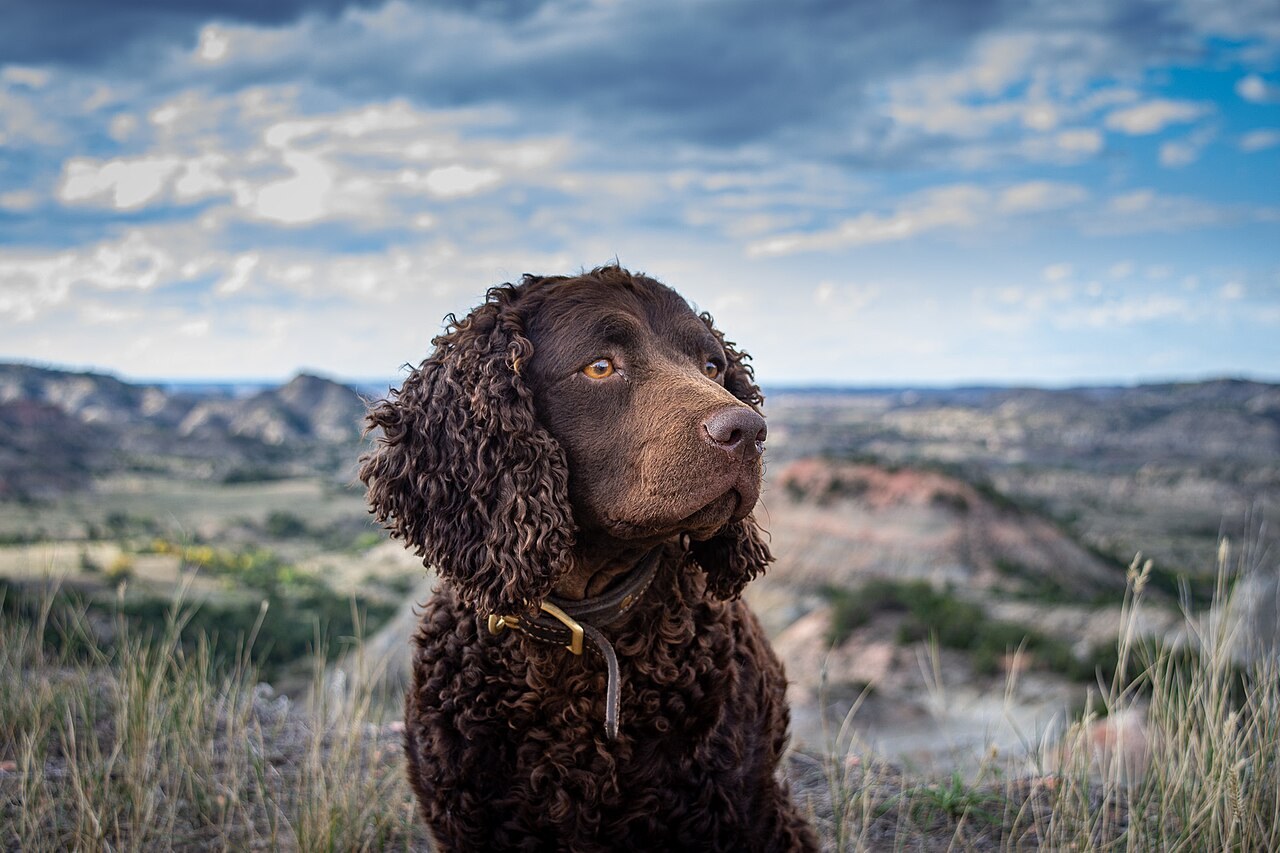
The American Water Spaniel is a small, sturdy brown gundog with a wavy to curly coat, bred around the lakes and rivers of Wisconsin and Minnesota to flush birds on land and fetch ducks from cold water. Hunters wanted one dog that could ride in a light boat, work marsh and woods all day and still live in the farmhouse. At home that means a friendly, eager, rather sensitive dog that is often reserved with new people, loves to carry things and needs real exercise. The plan that works is daily running and swimming where it is safe, retrieve games with clear rules, kind and patient training, gentle introductions to strangers and regular coat care.
Job: A rare American gundog; AKC Sporting group since 1940.
Energy: Eager, affectionate, sensitive and often shy with strangers.
Home: Suits an outdoor family, a hunter or an owner who loves water.
An American Water Spaniel is a duck dog that fits in a canoe
People often meet this breed and think it is a brown cocker or a small curly retriever. It is its own dog: a Midwest hunting spaniel that flushes, swims and retrieves, with a mind that is keen to please but easily hurt by a rough word.
The calls I get are mostly about energy and feelings. A young dog that steals socks and runs off with them, pulls towards every pond, whines and yodels when bored, hides behind its owner when a guest walks in, or shuts down after a harsh correction.
My plan gives the dog its old job in a safe form. Fetch with a start and an end, swimming where the water is safe, nose games, soft and short training, and quiet first meetings with new people. Done that way, the American Water Spaniel is a loyal, cheerful and very handy family dog.
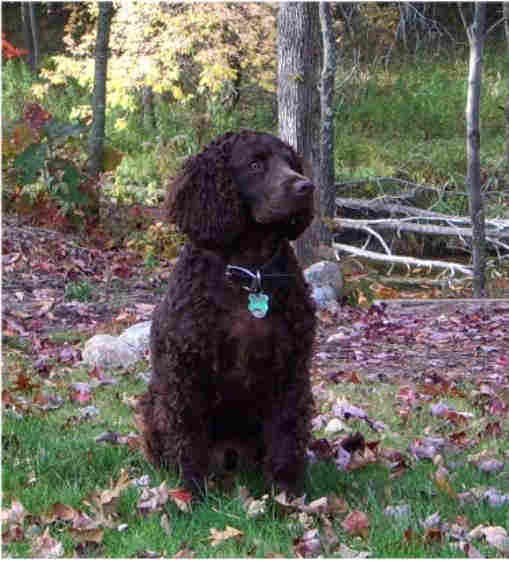
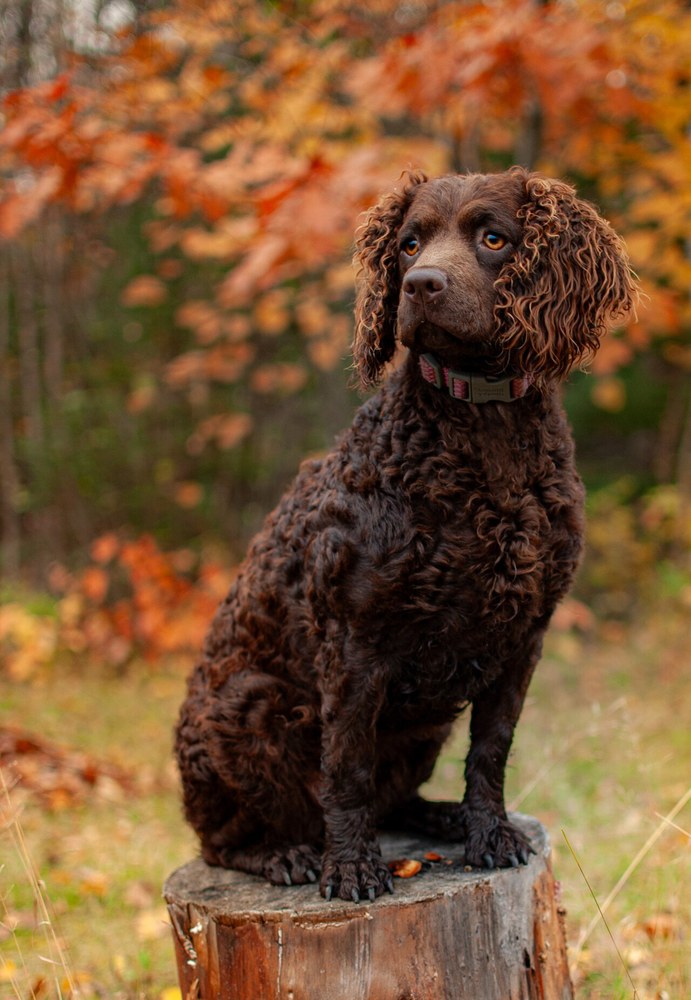
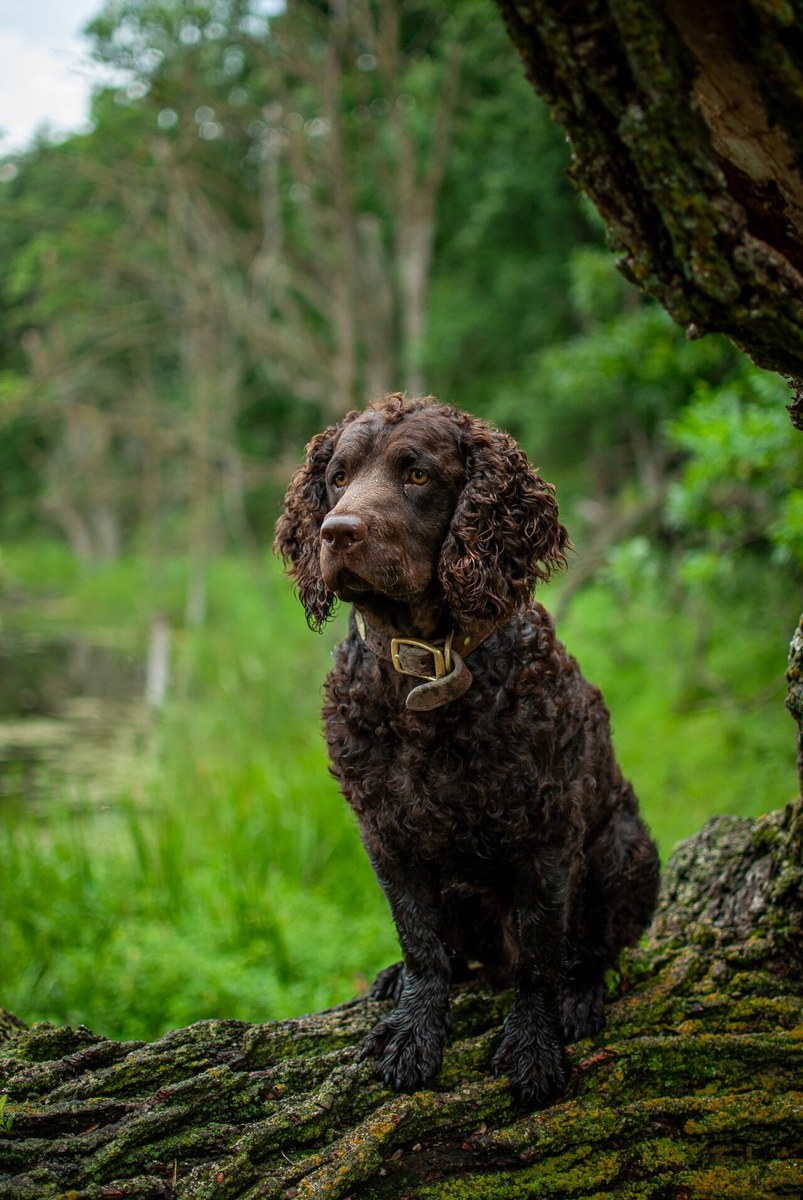
Wavy (marcel) to tightly curled double coat in solid liver, brown or dark chocolate; dense enough to shed cold water
Job
All-round Midwest hunting dog that flushes upland birds and retrieves waterfowl from marsh, lake and small boats (AKC Sporting group)
Temperament in one minute
American Water Spaniel temperament: what they are like at home
Short answer: American Water Spaniels are eager, affectionate, playful gundogs that bond closely with their family and are often reserved with strangers. They were bred to flush birds and fetch ducks from cold water, so they love to carry things, swim and use their nose, and they get whiny or into mischief when bored. They need at least an hour of activity a day, fetch with clear rules, kind and patient training, and calm, slow meetings with new people.
Are American Water Spaniels affectionate?
Very, with their own people, and some get clingy. Build short absences early.
Are American Water Spaniels easy to train?
They learn quickly with food and toys and are sensitive to harsh handling. Start with a name check-in and drop it.
Are American Water Spaniels friendly with strangers?
Often shy or reserved at first. Let the dog choose to approach; see scared of visitors.
Are American Water Spaniels good with kids and other dogs?
Usually good with gentle children and familiar dogs. Teach kids to let the dog come to them; see children and guests.
American Water Spaniel behavior problems to expect
The usual ones are stealing and carrying things, running off after birds or water, whining when bored and shyness with guests. The list below links a guide for each.
Living with an American Water Spaniel in an apartment
Possible with plenty of daily exercise and regular trips to water or open ground. A bored dog in a small flat gets noisy.
Breed history
From Wisconsin river valleys to the state dog
Knowing where this spaniel came from explains the retrieving, the soft temper and the love of water.
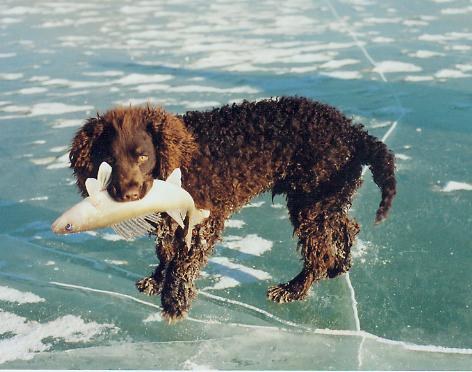
An American Water Spaniel carrying a retrieve across ice: the breed was made to fetch from cold water, and carrying things is still its favourite job.
Great Lakes · mid-1800s
A boat dog for market hunters and farmers
Along the Wolf and Fox rivers of Wisconsin, hunters needed a compact dog that could sit in a skiff, jump out after a duck and be pulled back in without tipping the boat. Nobody wrote down the exact recipe; old water spaniel and retriever types of the region are the usual guess.
The same dog flushed grouse and pheasant in the woods and guarded the farmyard. That mix of jobs is why the breed is keen on its people, quick to alert and happiest when it has something to carry.
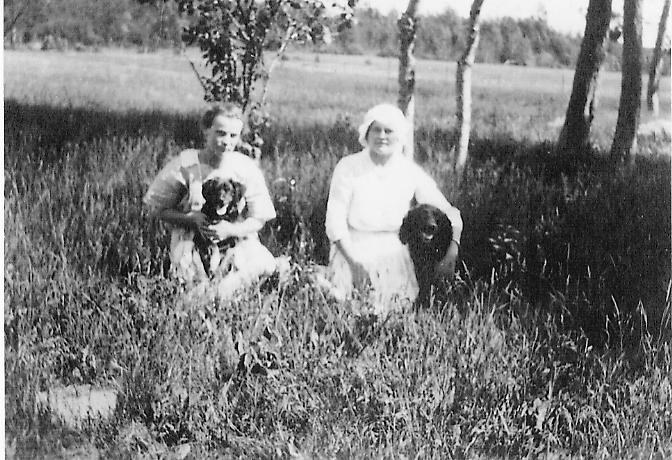
A Minnesota family photo from about 1913 with an early American Water Spaniel type dog: the breed was a working farm dog long before it had a written standard.
From the 1920s
A club, a standard and a state dog
As bigger retrievers took over duck hunting, the little brown spaniel almost faded out. Dr Fred Pfeifer of New London, Wisconsin, bred and promoted the dogs and helped get them registered with the UKC in the 1920s; the AKC followed in 1940.
Wisconsin named it the state dog in 1985. It is still rare, mostly found in North America, and many breeders keep it as a hunting companion first and a show dog second.
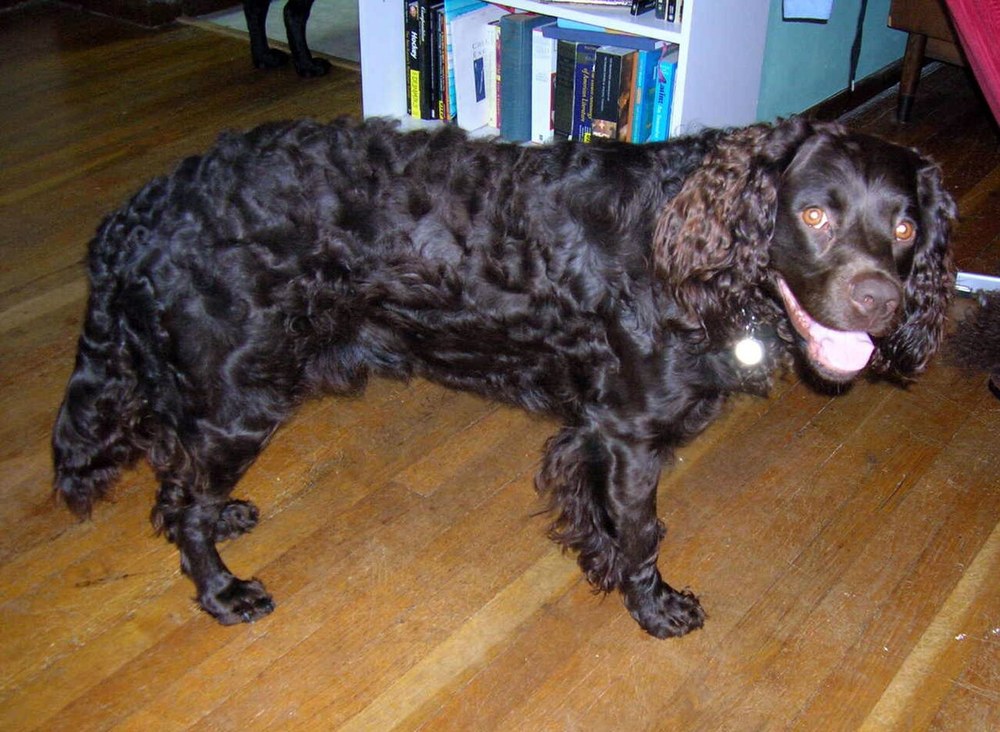
An American Water Spaniel at home: a medium-small dog with a dense curly coat that fits easily into family life when its exercise is covered.
What the breed was bred for
Keen to work, soft to handle
With its own family this spaniel is affectionate, playful and keen to join in. It learns quickly with food, toys and praise, and many love to carry something around the house.
It can also be reserved or shy with strangers, vocal when bored and hurt by harsh handling. Calm first meetings, enough exercise and gentle, clear training bring out the best in it.
A good day has a run or swim, a fetch game, a short lesson and a quiet evening
An adult American Water Spaniel usually needs at least an hour of activity a day: a walk with sniffing, some free running or swimming where it is safe, a retrieve or nose game and a short training session. Most trouble at home comes from a bored gundog with nothing to carry and no place to put its energy.
Morning · woods
Sniff, run and check back
Woods and field edges are where this spaniel feels at home. Let it hunt around with its nose, call it back often for a treat, and use a long line until recall works near birds and rabbits.
A few throws of a dummy or toy, a clean hand-over and a clear end to the game use the retrieving urge well. Swap for a treat so giving things up feels like a good deal.
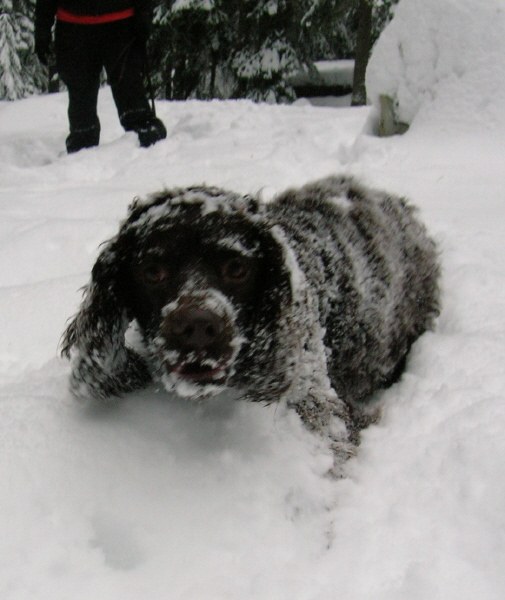
The thick coat copes with cold rain and snow far better than with heat. On hot days move exercise to early morning and evening, and give shade and water.
Many of these dogs warm up to new people slowly. Ask guests to sit, skip the eye contact and drop a treat on the floor; the dog comes over when it is ready.
Busy gundog puppies often get silly and mouthy when tired. A set bedtime routine with a chew in a quiet corner teaches the dog that evening means rest.
General awareness only. I am not a veterinarian. With an American Water Spaniel, owners usually spot trouble first as damp, smelly ears after swimming, burrs and mats in the curls, a dog that shakes its head, a limp after a hard day in the field or a sudden change in mood. For red flags, leave this page and open
when to call the vet.
Ears after water
Dry the ears after every swim and check them weekly; ask your vet what to use if they smell or look red.
Curly coat
Brush once or twice a week and after field days to pull out burrs and seeds; a light trim keeps the feet and ears tidy.
Seasonal shedding
The coat sheds lightly most of the year and more in spring and autumn.
Joints and field work
Build fitness slowly and keep long hard days for adult dogs. See walk length by age.
Ask which screenings the national breed club recommends for the parents and look at the results. Do not invent disease claims from a blog.
Lines and types
Pick a steady, healthy dog, not only a strong retriever
No bloodline selling. American Water Spaniels come mostly from hunting and family homes, with a few show breeders. Meet the mother, see how she greets a stranger, how she handles a sudden sound and whether she recovers fast, and ask about health checks on both parents.
Hunting homes
Upland birds and waterfowl.
Steady training on retrieves and recall.
Rest days after hard outings.
Ear and coat checks after water.
Suits a hunter who wants a compact dog for both marsh and woods.
Active family homes
At least an hour of exercise a day.
Fetch, swimming or nose games.
Patient, kind training.
Slow, calm meetings with guests.
Suits an outdoor family that wants a smaller, cheerful sporting dog.
Socialization windows
What to introduce — and what not to overload — by age
AVSAB-aligned in spirit: short, clean exposures at a distance the puppy can still eat,
with hygiene while vaccines finish. See the
puppy socialization schedule.
2–4 months
First weeks at home
Introduce: gentle handling, ear and paw checks, a toilet routine, short calm meetings with friendly adults, first shallow-water paddles on a warm day, carrying soft toys.
Do not overload: throwing the puppy into water, crowds of strangers reaching for it.
~6 months
Busy mouth
Introduce: swap games for stolen items, short retrieves with a hand-over, name check-in, long line recall, a bed cue.
Do not overload: chasing the puppy when it steals something.
~8–18 months
Teenage phase
Introduce: recall near ducks and birds, steady retrieves, calm guests, swimming with a safe exit, a hunting or sport class if you like.
Do not overload: harsh corrections, long hard field days before the body is ready.
~2 years
Grown-up dog
Introduce: full field work or dog sports, longer walks, more off-lead time where safe.
Do not overload: dropping training because the dog seems settled.
~3 years+
Maintenance
Introduce: daily exercise and fetch, coat and ear care, weight checks, yearly vet visits.
Do not overload: leaving a busy dog bored on rainy weeks.
Before you buy
Who a American Water Spaniel usually fits
Fit comes down to time outdoors, how you feel about a wet, sometimes vocal dog, and whether you can train gently with a sensitive breed.
Good match
More likely a good fit if you…
You want a medium-small gundog that loves water
You can give an hour or more of real exercise a day
You enjoy fetch, hiking, hunting or dog sports
You train with food, toys and patience
You are fine with a dog that is shy with strangers at first
Mismatch risk
A American Water Spaniel may be a poor choice if…
You want a dog that loves every visitor on sight
You rely on harsh corrections
You have little time for walks
You dislike wet dogs and muddy paws
You need an easy dog to find quickly from many breeders
If you are torn between breeds
American Water Spaniel vs Chesapeake Bay Retriever and English Springer Spaniel
All three are working sporting dogs that need exercise. The Chesapeake is a much bigger, tougher water retriever with a guarding streak. The English Springer is a fast flushing spaniel for upland birds. The American Water Spaniel sits between them: a small water dog that also flushes, with a softer, more sensitive temper.
Size
American Water Spaniel
Small to medium, about 25–45 lb.
Chesapeake Bay Retriever
Much larger and stronger.
Main job
American Water Spaniel
Flush and retrieve, on land and water.
English Springer Spaniel
Mainly flushing in the field.
Temper
American Water Spaniel
Sensitive; often shy with strangers.
Chesapeake Bay Retriever
Tougher, more protective.
Exercise
American Water Spaniel
High; needs running and fetch.
Both compares
All three are busy gundogs.
Ownership without surprises
Where a American Water Spaniel owner’s budget goes
Costs vary by country, city and choices. These are themes to plan for, not quotes.
Veterinary
Yearly vet visits, the vaccines your vet advises and the health tests the breed club suggests for parents.
Grooming
A slicker brush, comb, ear cleaner your vet approves and an occasional tidy trim.
Training
A puppy class, then gundog, scent or sport classes.
Gear
A long line, a harness, a crate, retrieving dummies, towels and a dog life jacket for boat days.
Finding a puppy
A rare breed, so expect a wait and possibly travel to a breeder.
Early work on swapping stolen items, calm guests and recall around birds costs far less than fixing a grown dog that steals and runs.
Before day one at home
What to prepare for a American Water Spaniel puppy
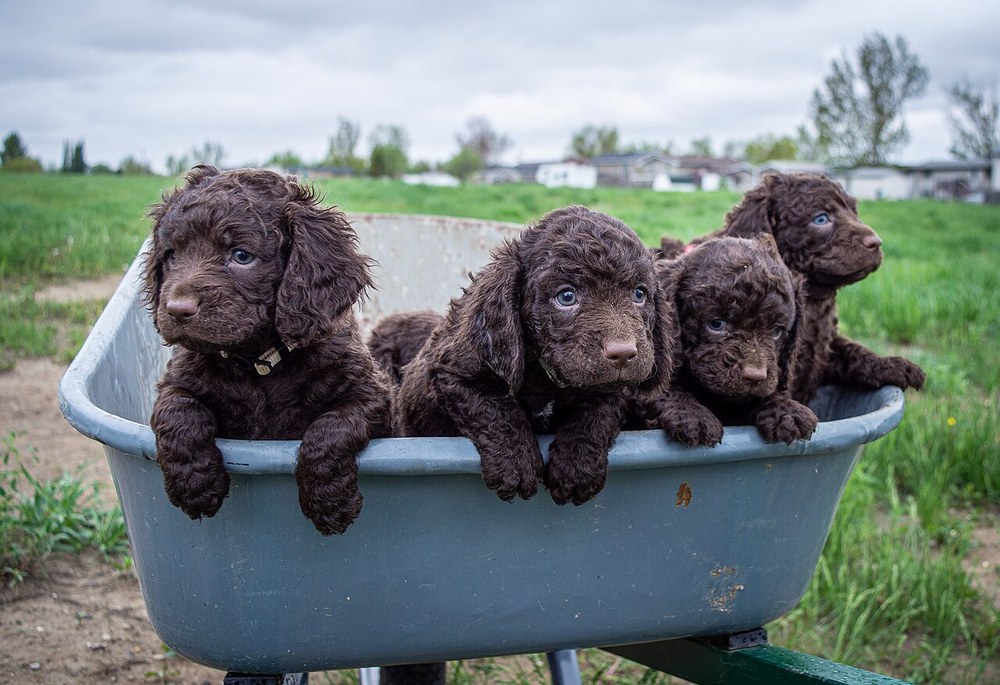
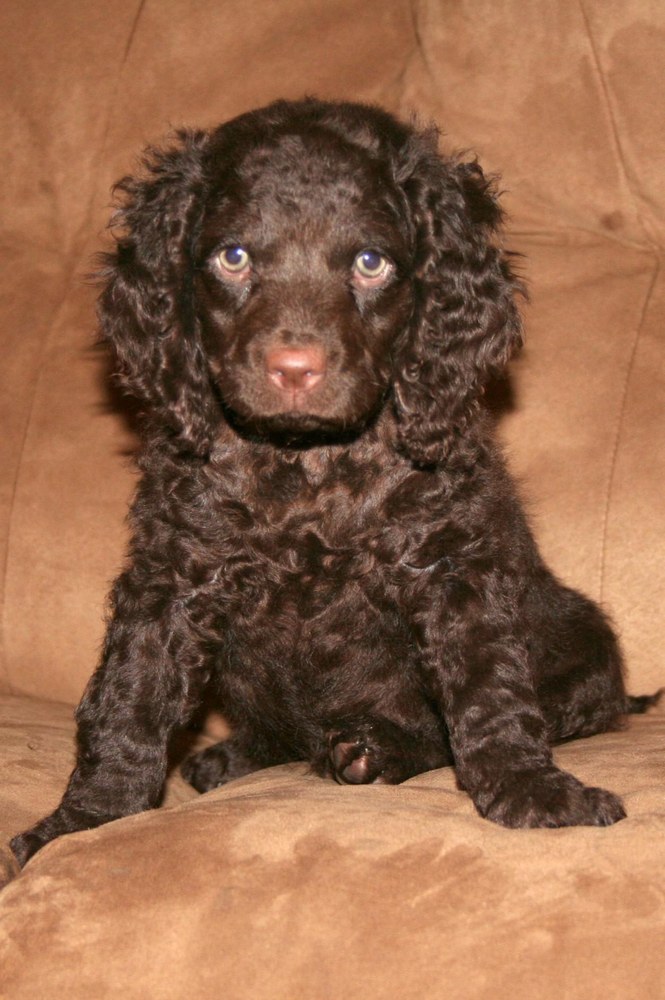
An American Water Spaniel puppy is soft, curious, mouthy and very keen to carry things. It can be cautious with new people, so meetings should be calm and at its own pace. Have soft toys, chews, a crate, gates and towels ready before it comes home.
Out after sleeping, eating and play. See potty training.
If the dog is already yours
Training an American Water Spaniel means fetch rules, soft handling and recall near birds
Five skills matter most in daily life: a name check-in, a clean drop on cue, recall on a long line, a calm wait at the door and settling on a bed.
This breed learns fast with food, toys and warm praise. It is sensitive, so a sharp voice or a jerk on the lead often makes it slower, clingier or more stubborn, not better.
Be realistic about the nose and the water. A pond or a flushed bird will pull hard on a young dog. The goal is a dog that checks in, comes back when called and swims only when you say so.
Load balance
Fetch and swimming count as exercise
Keep long swims and hard field days for adult dogs and build up slowly. A limp, a dog that suddenly avoids touch or head shaking after a swim means a vet visit before more training.
Sniffing walkThree retrievesTwo-minute lessonFind it gameQuiet rest
Ten minutes of fetch with a clean hand-over often settles this dog better than an extra half hour on the lead.
An American Water Spaniel with a job is a sweet, easy house dog; one without it starts collecting shoes and singing at the window.
Retrieving
How to teach an American Water Spaniel to give things up
Start with a low-value toy, offer a treat at the dog's nose, say your word as it lets go, give the toy back often, and only then practise with socks, shoes and found items.
01
Start with a toy
Low value first, at home.
02
Offer a treat
Hold it at the nose and wait.
03
Name the let-go
Say your word as the mouth opens.
04
Give it back
Letting go never means losing out.
05
Then real items
Socks and shoes only when the toy swap is easy.
One scene close-up
Why this spaniel steals and keeps things
The breed was built to pick things up and carry them to a person. Grabbing a sock is the same urge, with the wrong item. If grabbing starts a chase, the dog learns a great new game.
Teach giving up as a swap. Use a toy first, trade it for food, then hand the toy back so letting go never means losing out. Add a cue word, and move on to household items only when the toy swap is easy.
A dog that freezes, growls or snaps over items needs a qualified professional; a vet check helps rule out pain.
“With an American Water Spaniel, I start with fetch that has rules, a happy swap for stolen things, recall on a long line and quiet introductions to strangers. Train this soft little gundog kindly and it will follow you anywhere.”
We look at your real days: walks, water, guests, the things it steals and the evenings at home. I am a trainer, not a veterinarian.
Andrew DarovProfessional dog trainer and instructor
Note the dog's age, how much it runs, swims and retrieves, what it steals or barks at, how it meets visitors and the first thing that goes wrong. Opens WhatsApp to Andrew.
For an active, outdoor family, often yes. It is affectionate and playful with its people. It needs daily exercise and gentle handling, and children should let it come to them.
Is an American Water Spaniel a good first dog?+
It can be for a first-time owner who is active, patient and happy to go to a class. A soft, sensitive dog suits kind training, not a strict style.
Do American Water Spaniels bark a lot?+
Some do, and many whine or yodel when bored. Daily exercise, a quiet cue and calm meetings with visitors help.
Lightly most of the year, more in spring and autumn. Brush once or twice a week and after field days.
Do American Water Spaniels like swimming?+
Most love it; the breed was made for retrieving ducks from cold water. Start in shallow, calm water and always have a safe exit.
American Water Spaniel vs Chesapeake Bay Retriever: what is the difference?+
The Chesapeake is much bigger, tougher and more protective. The American Water Spaniel is small, softer and also flushes birds on land.
American Water Spaniel vs English Springer Spaniel: what is the difference?+
The Springer is a fast flushing spaniel for upland birds. The American Water Spaniel is smaller, curly-coated and built for water retrieves too.
Are American Water Spaniels good with other dogs?+
Usually yes, especially with dogs raised alongside them. Introduce new dogs calmly on neutral ground.
How much exercise does an American Water Spaniel need?+
An adult usually needs at least an hour a day, including some running, swimming or fetch and a short training game.
What health themes should I ask about?+
Ask the breeder which screenings the national breed club recommends for the parents and see the results. Tell your vet the breed. This is general awareness, not a diagnosis.
How long do American Water Spaniels live?+
Public breed references usually give about 10–14 years. Individual dogs vary.
If an American Water Spaniel seems too rare or too sensitive for your home
Many people love the brown curls and the size. The need for daily exercise and water, the shyness with strangers, the stealing and the soft temper are what to think about first.
A large, gentle Italian pointing gundog. Needs daily walks with sniffing, weekly nose or field work, patient training and a long line until recall holds near birds.
Teach fetch your dog will bring back and end calmly: send, pick up, return, and a clear finish cue. Reward the delivery, then reset.
Need a read on your exact situation?
Send me a few lines about your American Water Spaniel: its age, how much it runs and swims, what it steals or barks at, how it meets visitors and what goes wrong first. We rule out health issues first, then pick one skill to start with.