
Royal kennels → rare family dog
Rare but devoted
Clumbers were kept by British royalty in the 19th century. Today the breed is rare, and puppies can take time to find.
Meet the parents and see their calm nature, drool and how they move.
Clumber Spaniel · Sporting
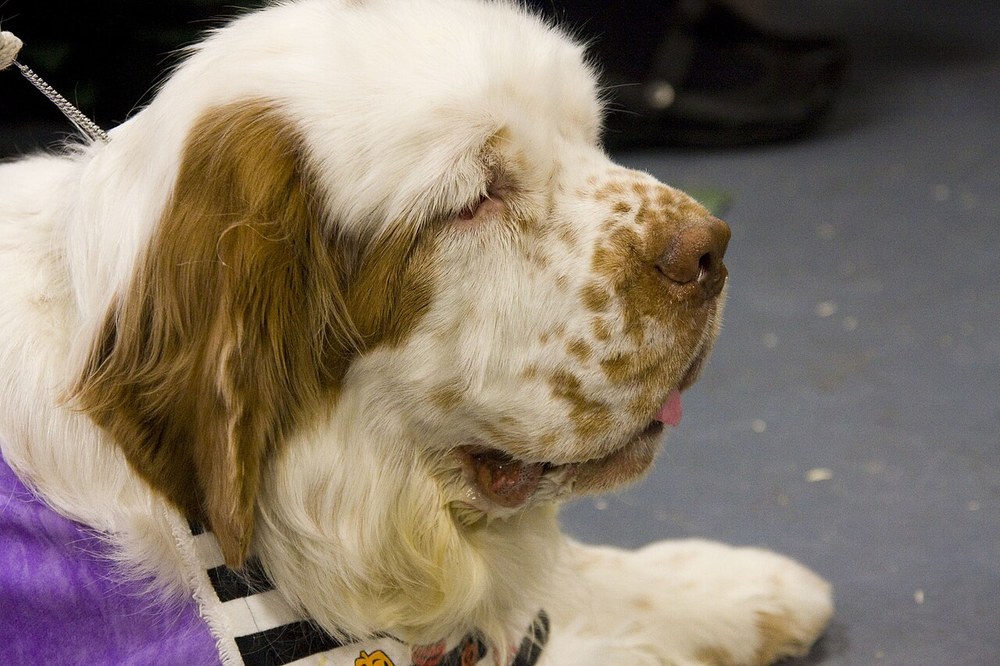
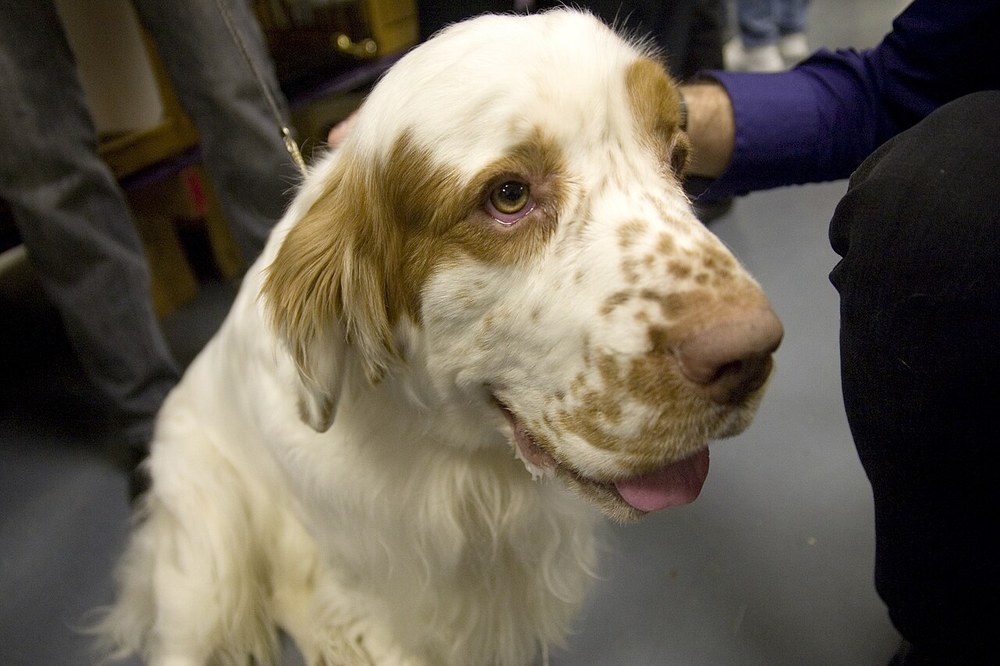
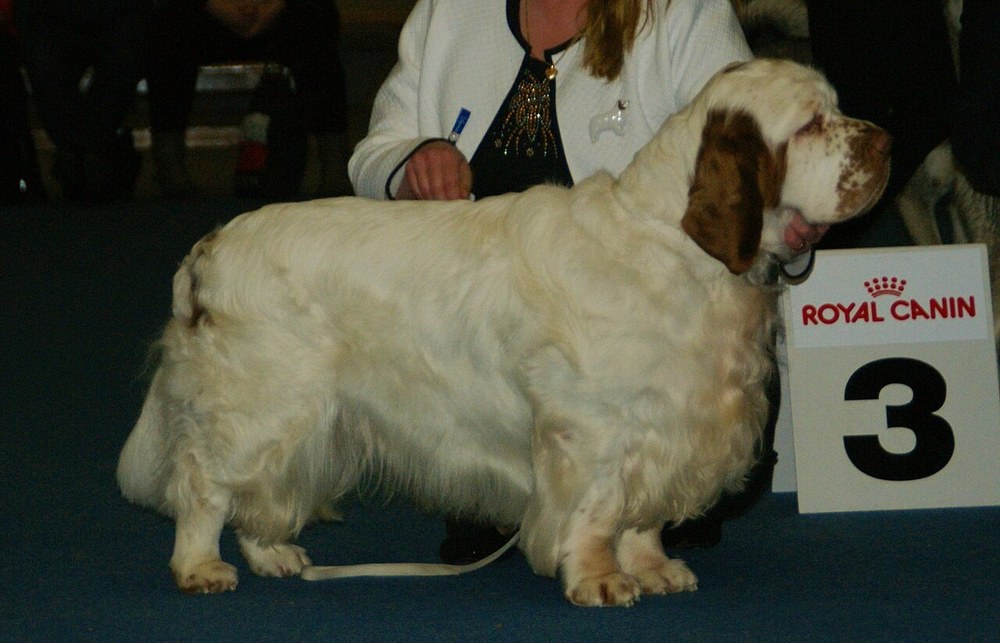
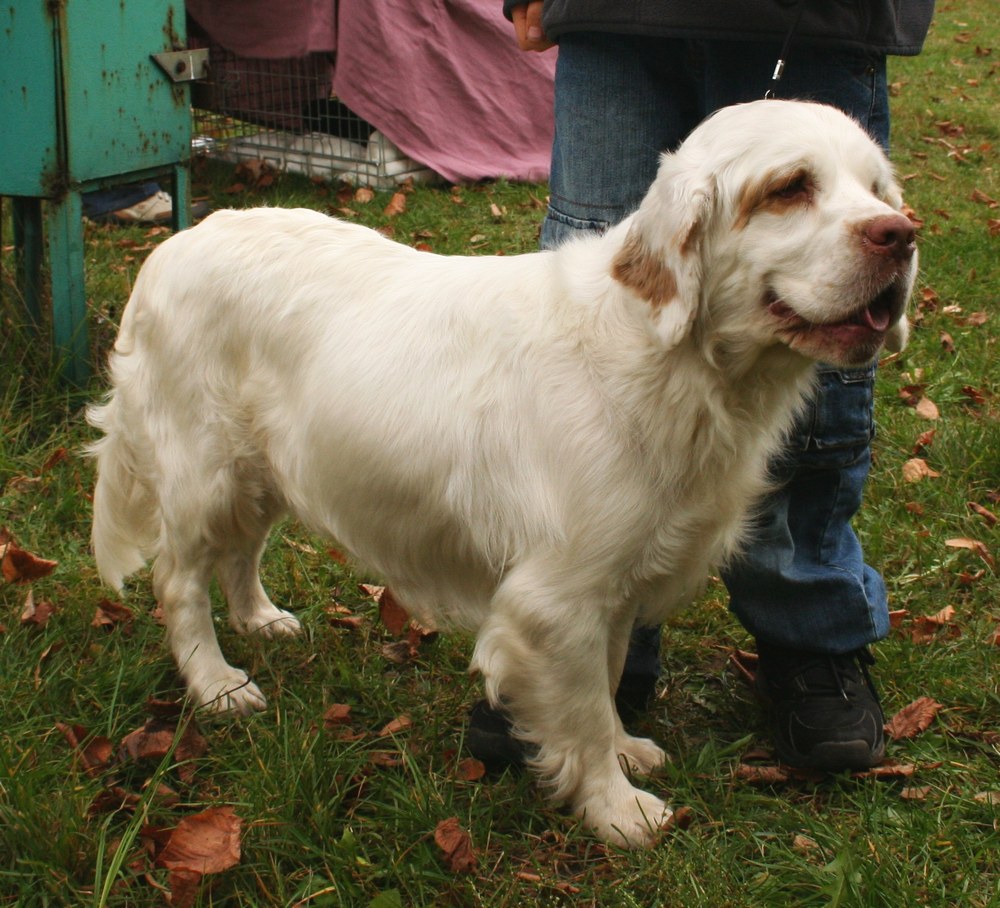
The Clumber Spaniel is a long, low, heavy English spaniel with a mostly white coat and a gentle face. Most are calm, affectionate and easy-going. Life goes well with steady daily walks, kitchen management, weight control and regular brushing.
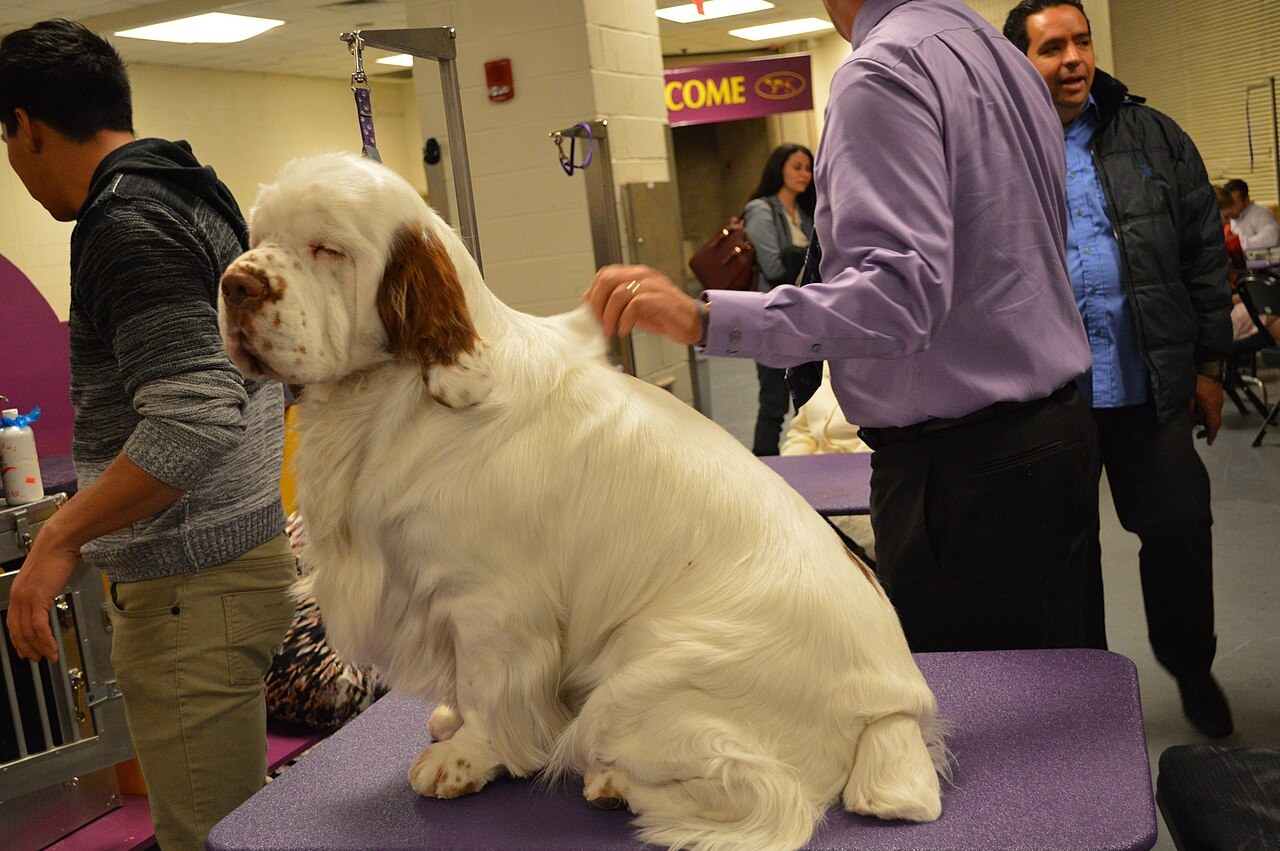
First, the point
Public breed histories describe a slow, steady shooting spaniel from English ducal estates.
Most Clumbers are laid-back and loving. Typical struggles are food stealing, slow recall, drool, shedding and weight.
In the first months I teach leave it, a calm place, recall games and gentle handling.
Breed history
The Clumber Spaniel takes its name from Clumber Park, the Duke of Newcastle’s estate in Nottinghamshire. It was bred to work slowly and steadily through thick cover, which gave a calm, gentle, heavy-boned spaniel with a big nose.
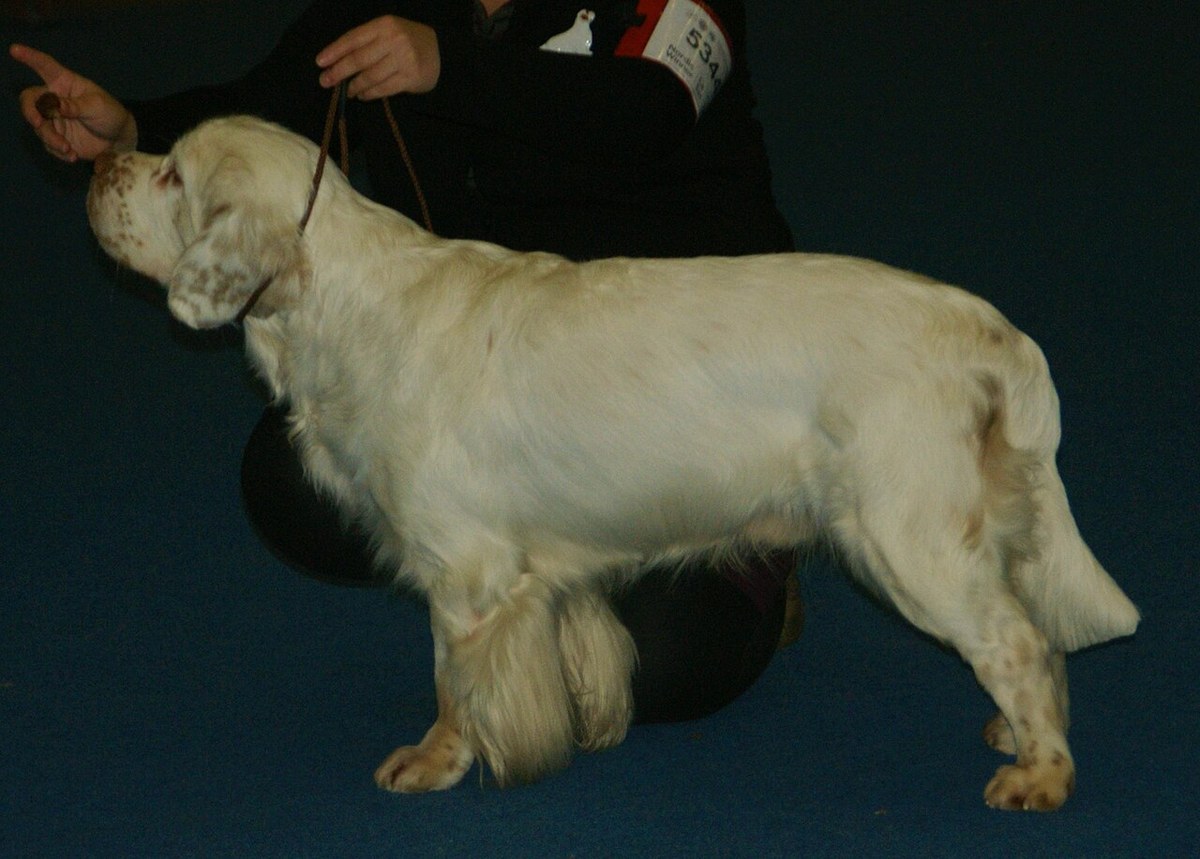
Nottinghamshire estates, 1700s–1800s → beating spaniel
Public breed histories link the Clumber to English ducal estates, where it worked in teams through dense undergrowth.
It was valued for a steady pace and a good nose rather than speed.
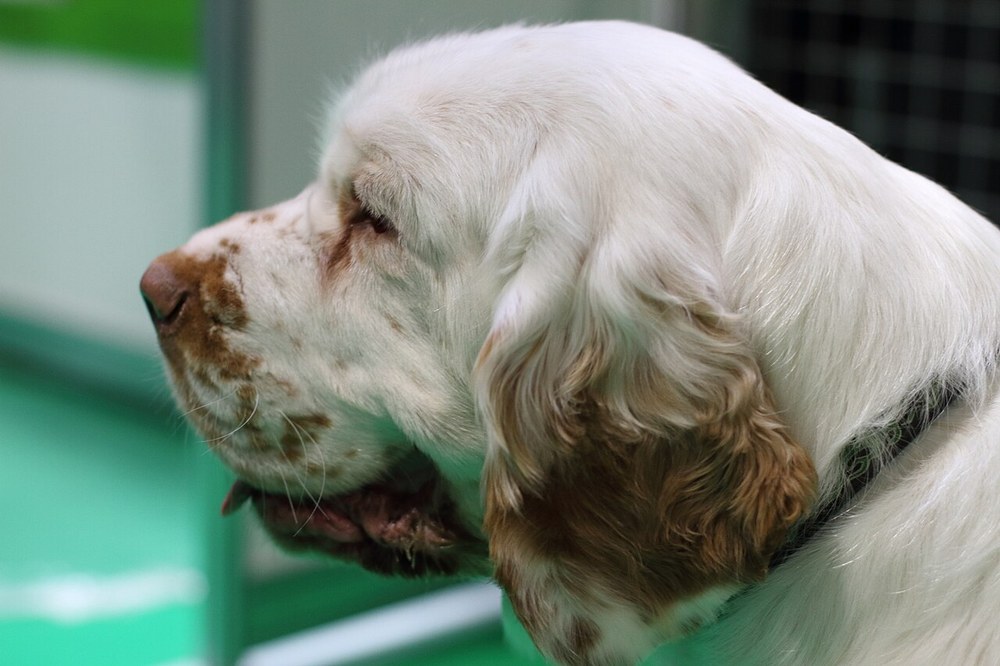
Royal kennels → rare family dog
Clumbers were kept by British royalty in the 19th century. Today the breed is rare, and puppies can take time to find.
Meet the parents and see their calm nature, drool and how they move.
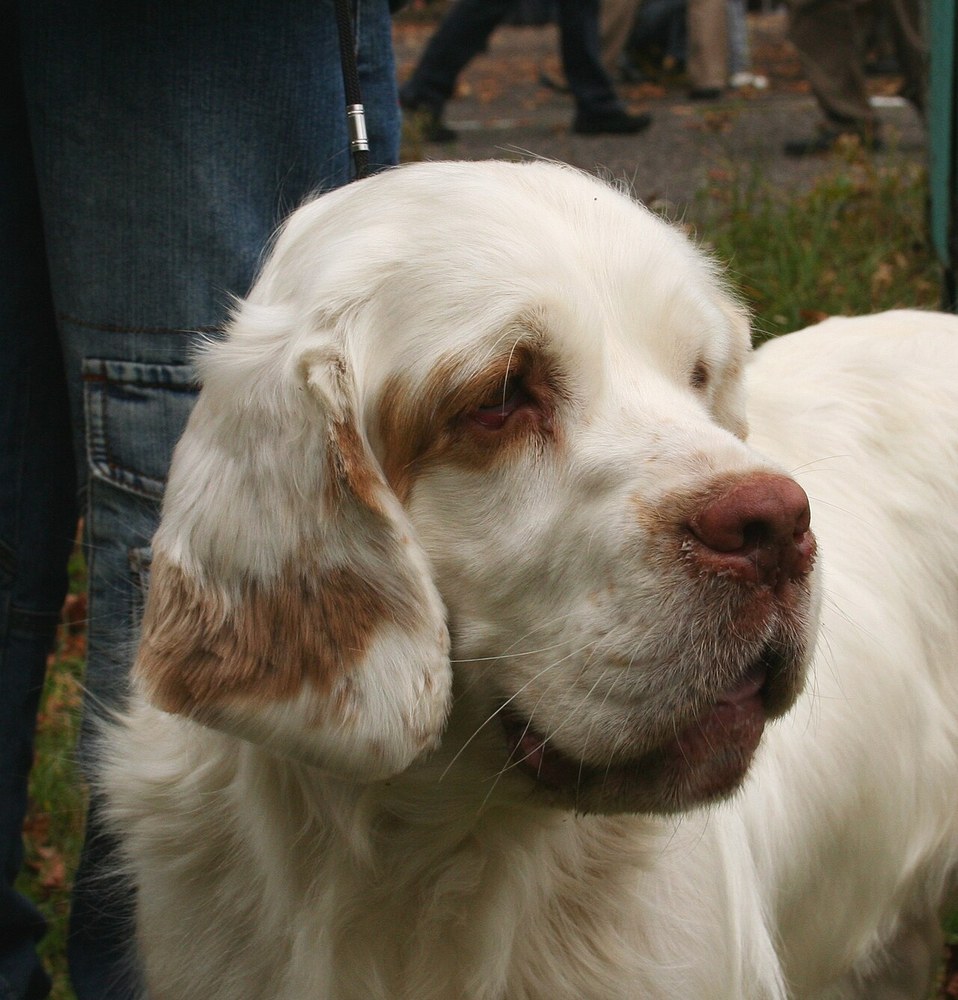
What the breed was bred for
In plain trainer language: Clumbers are laid-back, affectionate and happy to potter.
The challenges are stealing food, slow recall, drool and shedding, and keeping weight in check. Food management and steady walks help most.
Public references: FCI 109, AKC Clumber Spaniel, RKC.
Life together
Clumbers enjoy walks with lots of sniffing and plenty of rest. They are not frantic dogs.
Most Clumbers love people. Teach a polite sit for greetings.
See sit for greeting.
Steady walks protect the joints and keep weight down.
Care and health themes
A trainer’s checklist, not veterinary advice. See a vet for red eyes, ear smell, limping or low energy. For urgent signs, see when to call the vet.
A heavy dog gains easily; measure food and count treats.
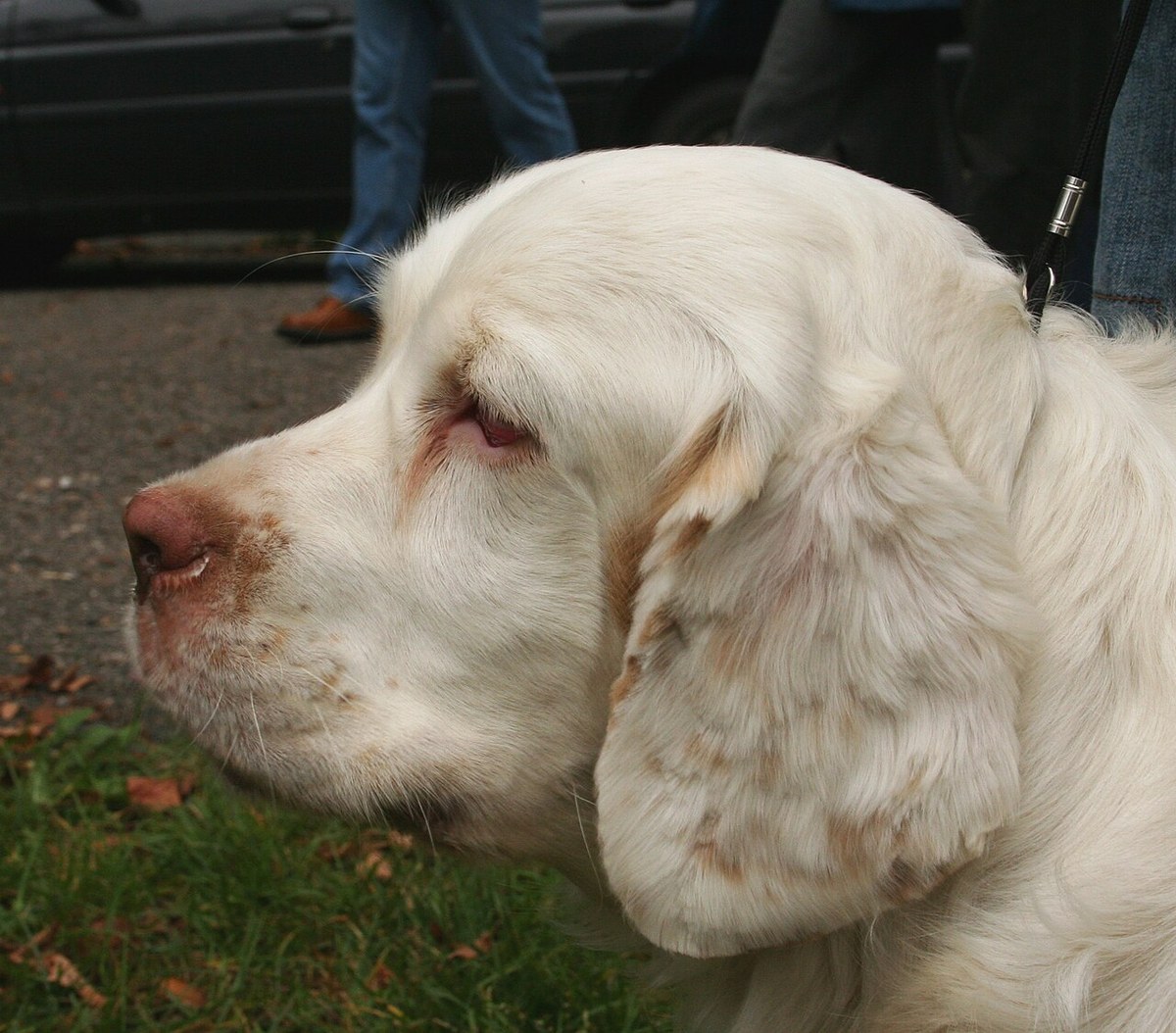
Check for redness or discharge.
Check for smell and dirt.
Dense white coat sheds; brush a few times a week.
Ask the breeder which screenings the national breed club recommends, including hip scores, and see results for both parents.
I do not publish toxin amounts. Call a vet or poison-control line if the dog eats something dangerous.
Lines and types
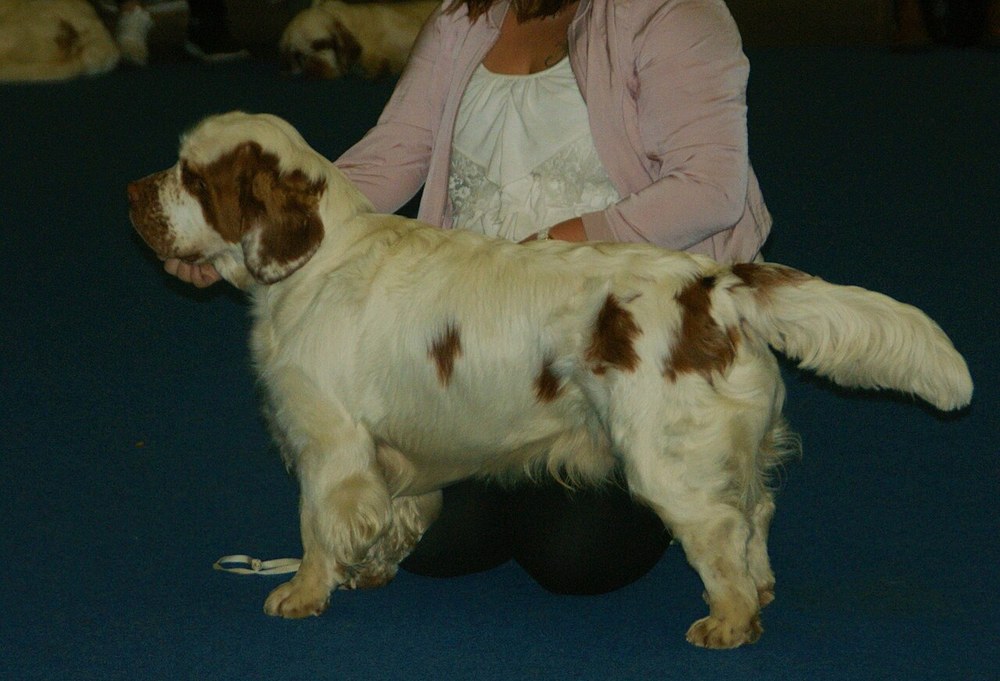
Clumbers are white with lemon or orange markings, mostly on the head and ears.
The most common look.
A warmer colour.
Socialization windows
AVSAB-aligned in spirit: short, clean exposures at a distance the puppy can still eat, with hygiene while vaccines finish. See the puppy socialization schedule.
Introduce: leave it, handling, toilet routine, crate naps.
Do not overload: food left on low tables.
Introduce: long-line recall, polite greetings, short absences.
Do not overload: long, hard walks.
Introduce: scent games, place, loose-lead walking.
Do not overload: table scraps.
Introduce: steady walks, scent work, gentle field work.
Do not overload: weight creeping up.
Introduce: refreshed leave it.
Do not overload: too little exercise.
Before you buy
A Clumber suits calm households that want a gentle, affectionate dog and can live with drool and white hair.
Good match
Mismatch risk
If you are torn between breeds
Clumbers are compared with English Springers and Basset Hounds.
Clumber Spaniel Slow and steady.
English Springer Spaniel Fast and busy.
Clumber Spaniel Long, low, heavy.
English Springer Spaniel Lighter, taller.
Clumber Spaniel Bird spaniel.
Basset Hound Scent hound.
Clumber Spaniel Slow but willing.
Basset Hound Often poor.
Clumber Spaniel Plenty.
Both compares Both shed; Bassets drool too.
Ownership without surprises
Prices vary by country. These are the spending themes, not figures.
Ask which screenings the national breed club recommends.
A heavy dog; measure carefully.
Brushes and occasional tidy.
For a heavy dog.
Puppy class.
Consider it early.
With a Clumber, health checks and careful feeding matter most.
Before day one at home
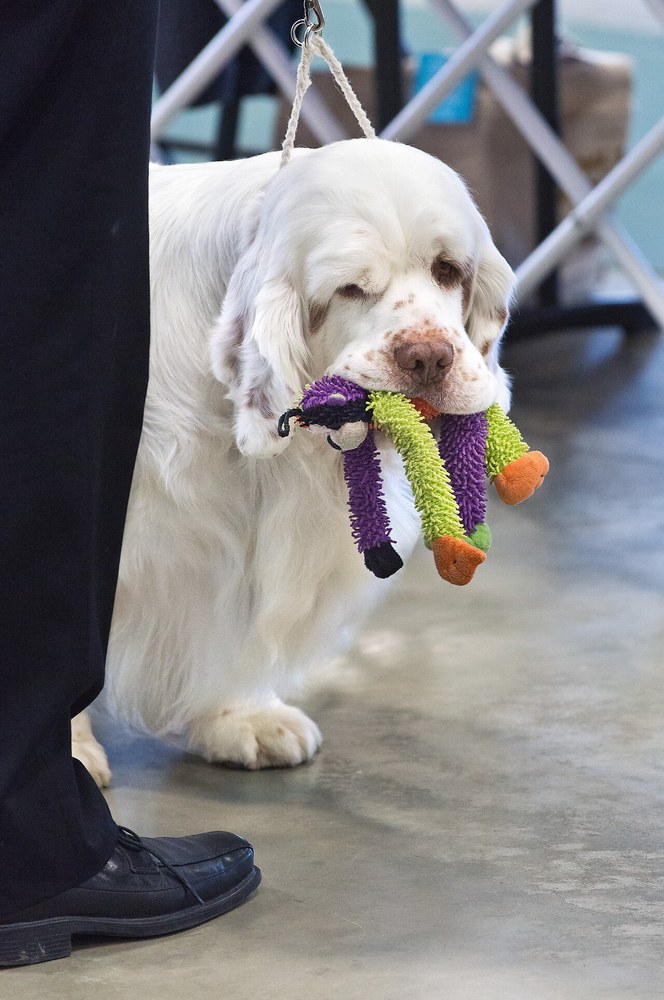
A Clumber puppy is sweet and nosy. Start leave it and kitchen rules early.
See leave it.
See puppy handling.
See biting and nipping.
See walk length by age.
Follow potty training.
See crate training.
If the dog is already yours
Clumbers learn steadily and love food. Use it, but count it.
My core list: leave it, recall, a calm place and polite greetings.
Scent work and gentle field training suit them.
Load balance
Steady walks with lots of sniffing suit most Clumbers.
Walks, scent games, gentle retrieves and long naps suit most Clumbers.
A Clumber with kitchen rules is a gentle, easy companion.
Food stealing
Clear counters, teach leave it and reward the dog for lying on its bed.
Nothing to find.
Reward looking away.
Reward lying down.
When you cannot watch.
Keep weight in check.
One scene close-up
Clumbers have a big nose and a big appetite.
Keep counters clear, teach leave it and reward the dog on its bed while you cook.
Use a gate when you cannot watch.
Typical household scenes
A breed page is only a starting point; the fix depends on health, environment, and the dog in front of you. Each row opens a step-by-step guide.
Steals food from counters.
Eats things on walks.
Takes its time coming back.
Gains weight easily.
Carries off socks and shoes.
Heavy, friendly greetings.
Guards food or stolen items.
Red eyes, limping or low energy — vet first.

Practical view
“With a Clumber, I manage the kitchen before I train manners. We build leave it, a calm bed while cooking and steady recall — because a big nose finds everything.”
Sessions cover real scenes: counter surfing, scavenging on walks, slow recall, and weight gain. I am a trainer, not a veterinarian. No invented reviews.
Describe age, living setup, and where the dog breaks first — counter surfing, scavenging on walks, slow recall, or weight gain. Opens WhatsApp to Andrew.
Short answers
If you want a gentle, affectionate spaniel in a smaller package, consider this one.
A friendly, eager British flushing spaniel that needs daily exercise, scent work, long-line recall and a taught settle.
A merry, busy British spaniel that needs scent games, retrieve and trade practice, ear care and a taught settle.
A gentle, sociable scent hound with long ears and a deep voice that needs sniffing walks, patient training and careful portions.
Gentle, affectionate small spaniel that loves company.
Other guides from the same group in the breed library. Same group does not mean same dog: read the fit and the failure modes, not only the outline.
A clever, independent English retriever with tight curls that needs varied training, daily exercise and calm visitor routines.
A gentle, elegant British bird dog with a speckled belton coat that needs long-line freedom, patient recall work and regular brushing.
A cheerful, glossy British retriever that stays playful for years and needs daily exercise, retrieve games and calm greeting practice.
An energetic, affectionate German hunting dog that needs hard daily exercise, long-line recall and a taught settle at home.
A tough, loyal German hunting dog with a wiry coat that needs hard daily exercise, early socialising and a taught settle.
A fetching, people-facing sporting dog whose gold coat does not lower the daily mileage.
Describe your Clumber Spaniel’s age and the scene that repeats most: counter surfing, scavenging on walks, slow recall, or weight gain. We check safety first, then pick the first skill.
Written by Andrew Darov, professional dog trainer. Not veterinary advice and not a diagnosis.
Not a kennel club. No invented reviews. No vaccine schedules or toxin doses. Photo credits in
/images/breeds/clumber-spaniel-guide/credits.md.