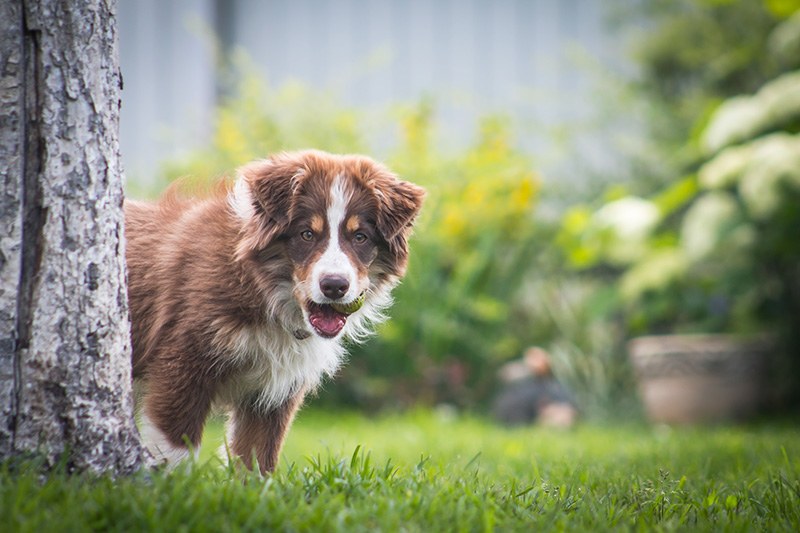
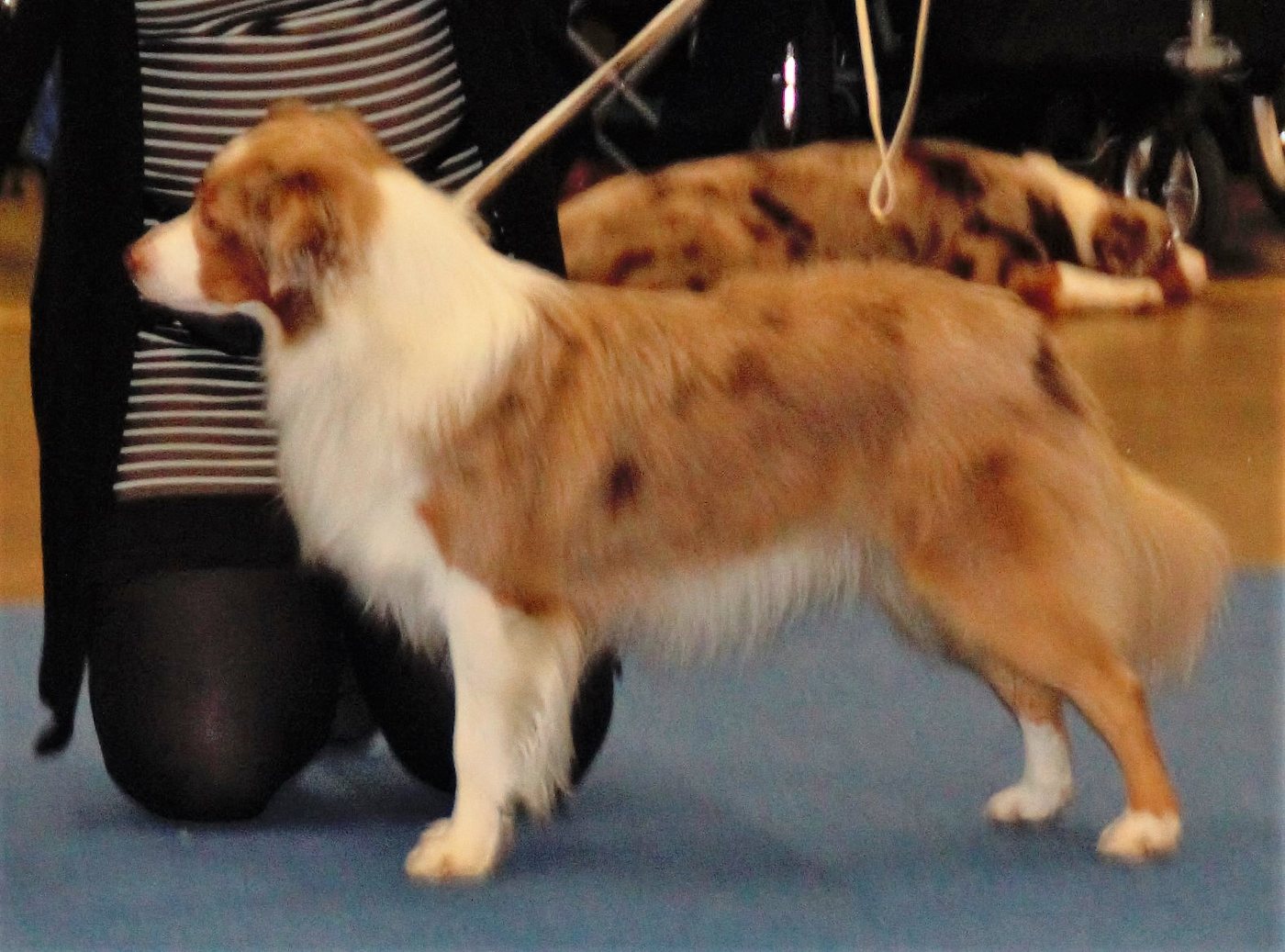
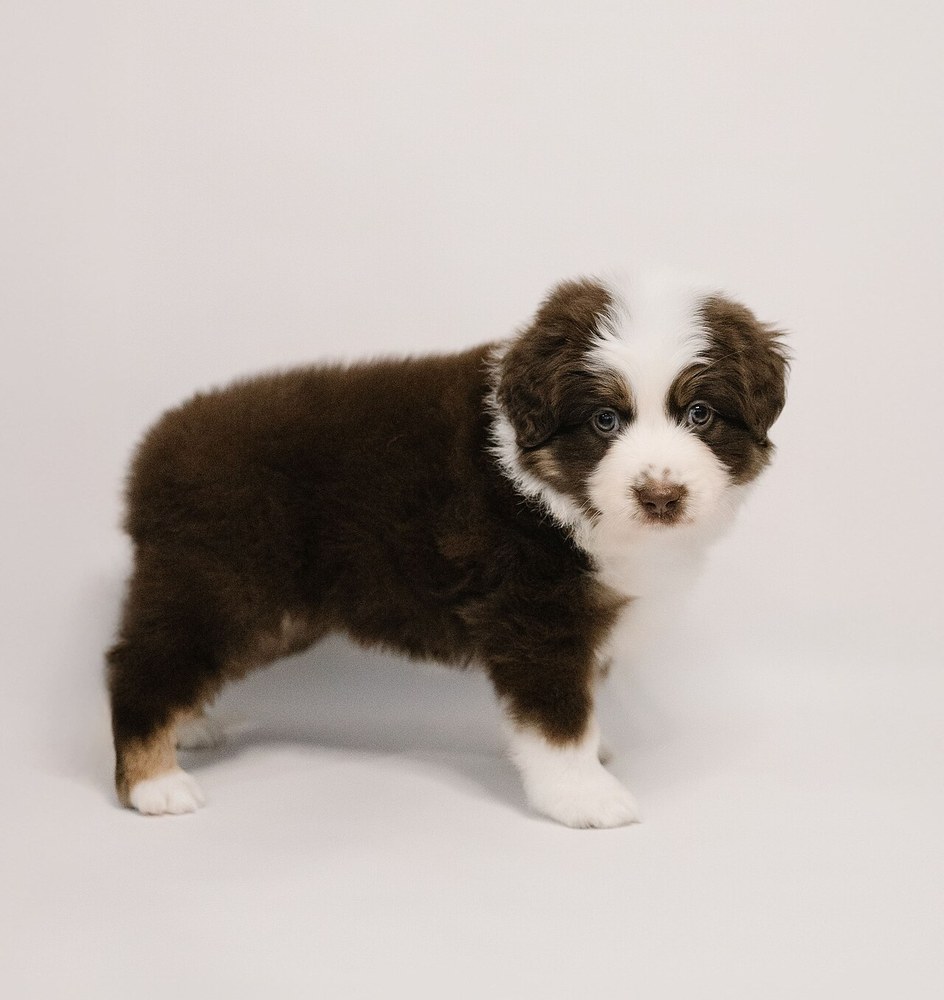
Miniature American Shepherd: temperament, herding drive and off-switches for a small Aussie-type
The Miniature American Shepherd is a small herding dog built on Australian Shepherd lines. You get the same busy brain, eye for movement and urge to control feet in a package that fits more homes than a full-size Aussie. What works is daily work for the mind, clear endings to games, soft mouth practice so nipping does not stick, and a settle cue the whole family uses.
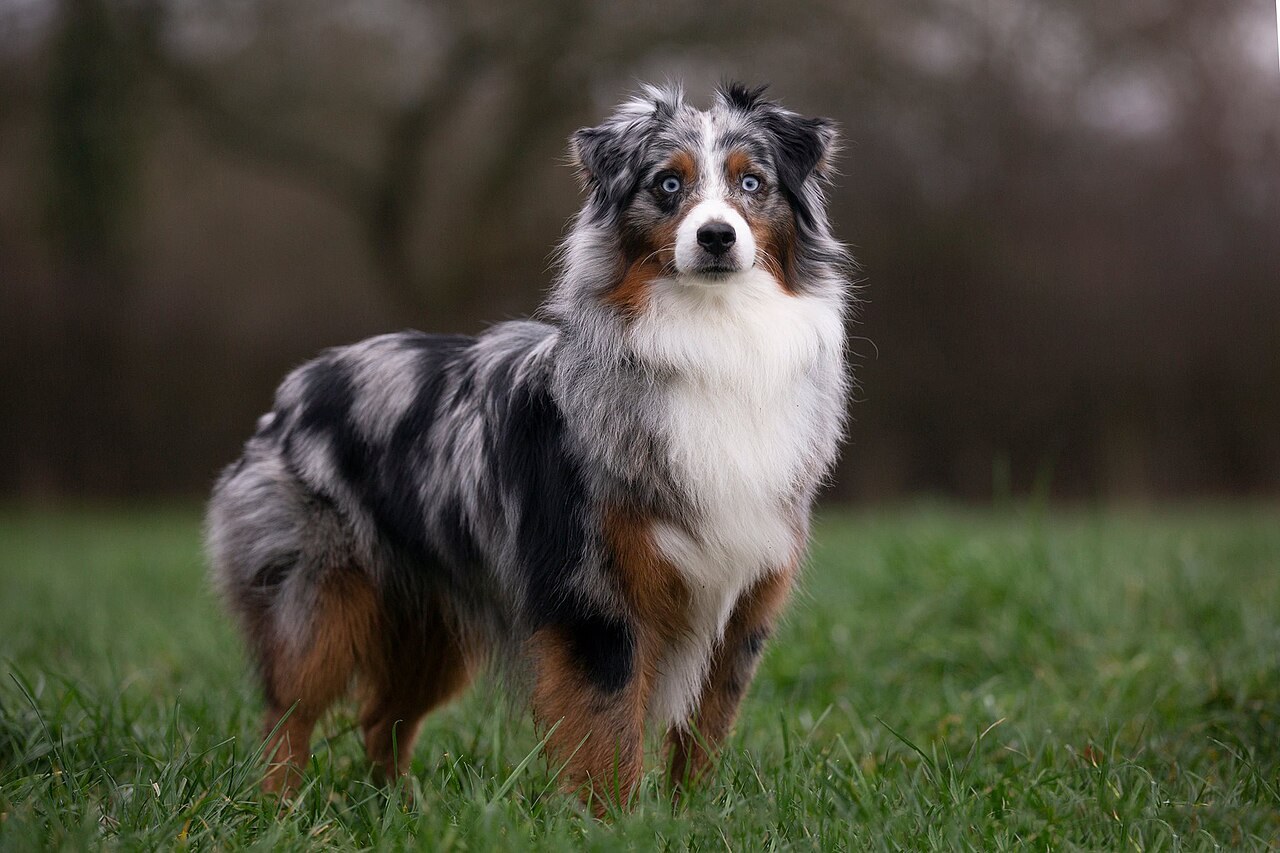
Job: Small Aussie-type herder; medium coat in merle, black, red and tri colours, often with white and copper.
Energy: Needs a job for the brain every day, not just a walk around the block.
Home: Suits an active home that can train, give clear off-switches and manage herding nips early.
A Mini American Shepherd is not a soft toy version of an Aussie
People see the smaller size and expect a calm apartment dog that looks like a miniature Aussie. The breed still carries real herding drive: it watches feet, circles, nips at heels when excited and stays busy long after a short walk.
What I meet in family homes is usually a bright, loyal, people-focused dog that learns fast and invents jobs if you do not give any. The hard parts are evening restlessness, door and guest nipping, barking at movement outside and a coat that needs regular care. None of that is "bad temperament". All of it shows up when a Mini American Shepherd is chosen only for size.
My plan has four parts. Daily nose work or training games. Clear endings to fetch and chase. Soft greetings so teeth stay off skin. And a bed cue that turns the busy brain off.
High mental energy; calms when given jobs and clear endings
Coat / shed
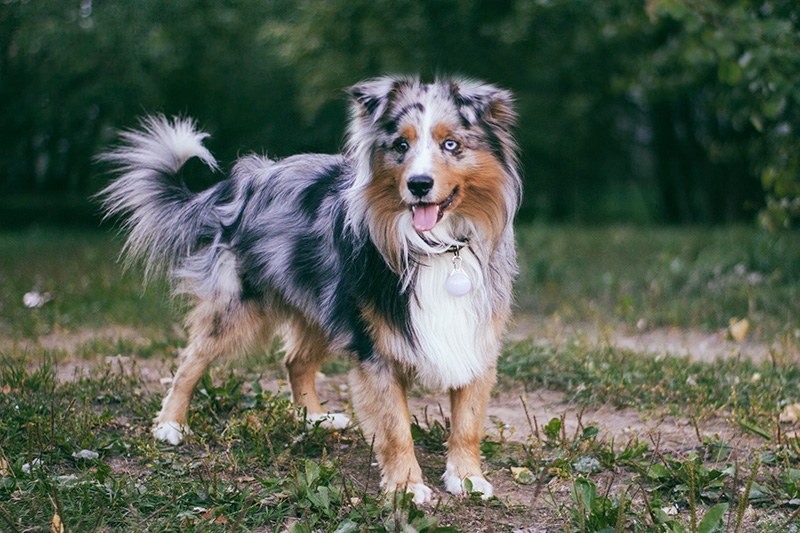
Medium double coat; blue or red merle, black or red, often with white and copper marks
Job
Small herding dog from Australian Shepherd lines (AKC Herding; RKC Pastoral)
Breed history
How a ranch Aussie shrank into a modern small herding companion
Knowing the ranch and stock-dog roots will not tire your dog, but it explains the eye, the foot-focus and why a short walk alone is rarely enough.
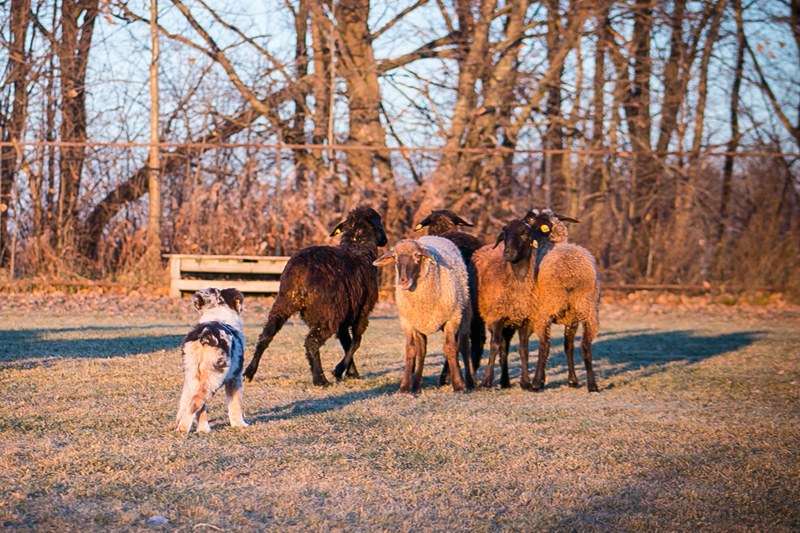
A Miniature American Shepherd working sheep. Short herding games or sport give the brain a real job.
Ranch → smaller stock dogs
Bred to move stock in a smaller frame
Breed histories describe breeders selecting smaller Australian Shepherd-type dogs for ranch and farm work, then refining a consistent miniature size. The dog still needed to gather, drive and watch stock with a sharp eye.
What matters for an owner is that the Mini American Shepherd is still built for that life: a busy mind, interest in moving feet and a strong wish to work with people.
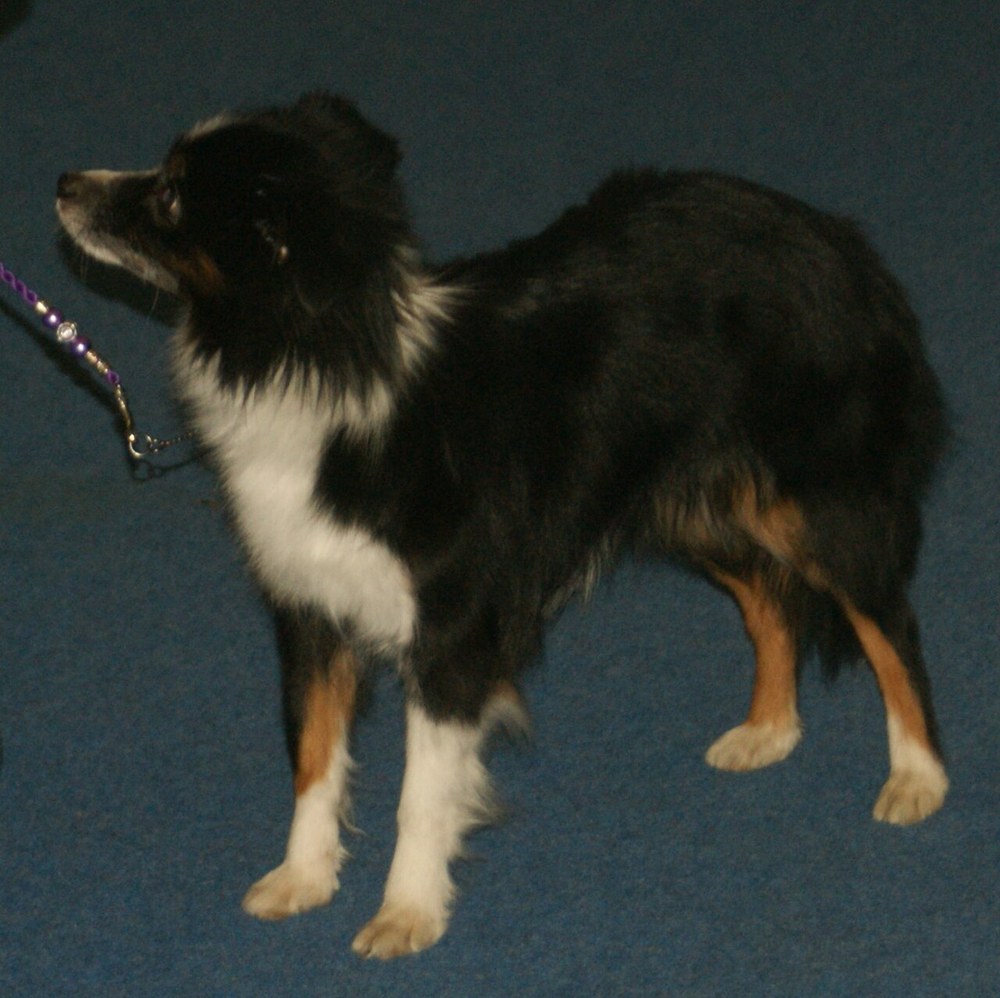
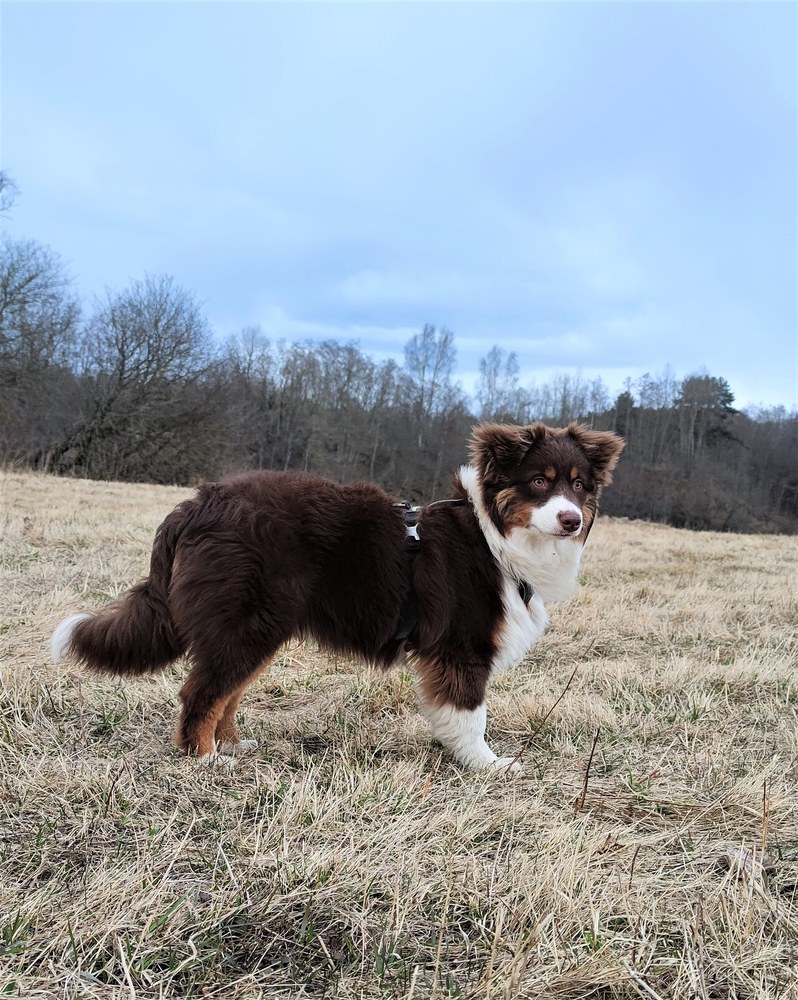
A black tricolor Miniature American Shepherd. Show and companion lines still carry herding interest.
From ranch dogs to family homes
From working ranches to agility and family homes
The breed reached wider recognition in the late 20th and early 21st centuries and is listed in the AKC Herding group. Many dogs now live as companions and sport partners rather than full-time stock dogs.
Most Mini American Shepherds live as family dogs. The urge to control movement, the need for mental work and a coat that mats if ignored came along with them.
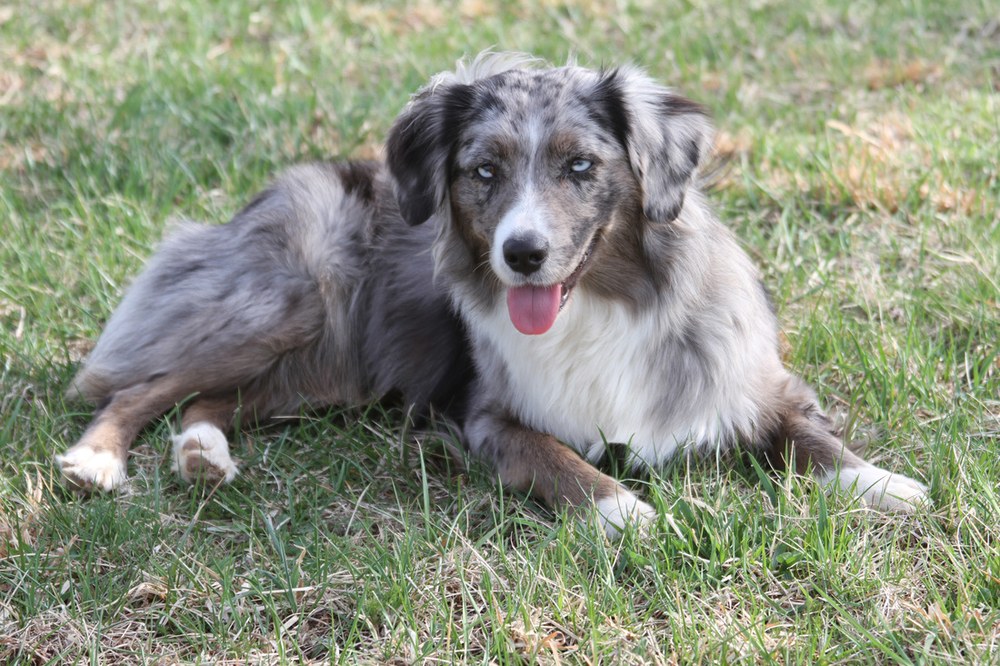
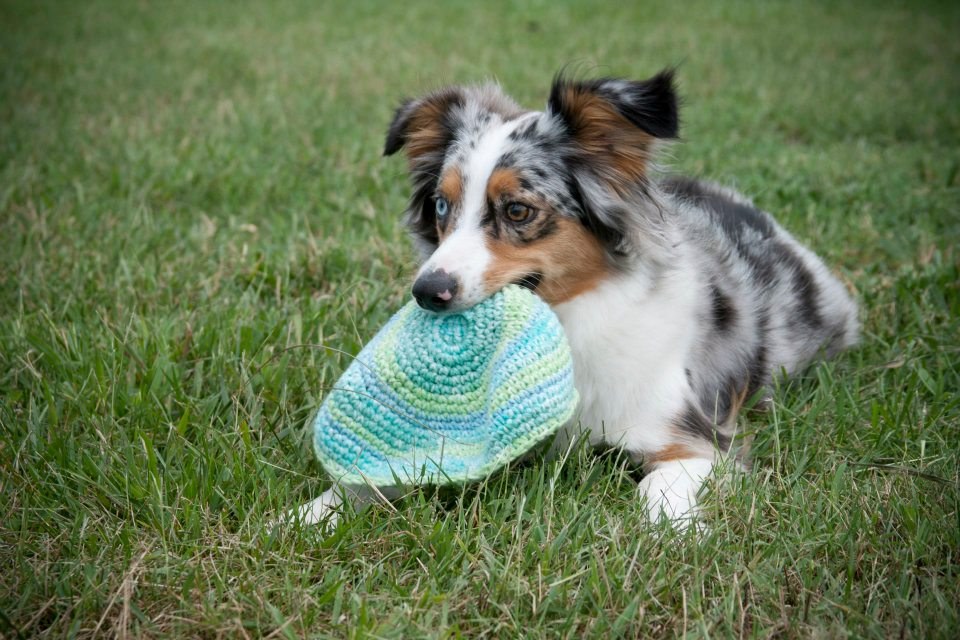
A blue merle Mini American Shepherd at rest. Rest only sticks after the brain has had a real job.
What the breed was bred for
Loyal and clever, restless without a plan
Day to day you live with a dog that wants to be involved, learns cues quickly and notices every guest, bicycle and leaf outside the window. It works well for food and toys when lessons stay short and clear.
Because it is small and cute, owners often skip early soft mouth and settle training. The result is a dog that nips ankles in play, barks at every passer-by and paces when the house goes quiet.
A good day is a short training game, a sniffy walk, a clear end to play and a bed the dog chooses
Most Miniature American Shepherds settle well with daily mental work, a few short training bursts and a quiet place to switch off. Trouble usually starts with endless fetch, guests who invite jumping, or a dog that has only had a lead walk.
Morning · play
Fetch with an ending, not a marathon
Two or three short retrieve games beat twenty minutes of endless throwing. End on a calm sit or a bed cue while the dog still wants more. An open-ended chase game leaves herding dogs wired.
Let the dog sniff on a long line in safe places, then ask for a few easy sits or hand touches. A Mini American Shepherd that only trots beside a bike often comes home still looking for a job.
Herding dogs notice moving ankles. Ask guests to stand still, toss a treat on the floor and wait for four paws down. Soft mouth practice starts in puppy months and continues whenever play gets mouthy.
The medium coat mats behind ears, in trousers and under the collar. A few minutes of brushing two or three times a week, plus nail and ear checks, keeps handling calm.
After training or play, send the dog to a bed with a chew. Same word, same place, every adult in the house. That is how a busy herder learns the day is over.
General awareness only. I am not a veterinarian. With Miniature American Shepherds, owners often notice trouble first as limping after hard play, eye irritation, weight change, or a dog that suddenly avoids being touched. For red flags, leave this page and open
when to call the vet.
Joints and play
Grow slowly into sport. Avoid repetitive jumping on hard floors with young dogs. Any limp after play is a vet question. See limping stop list.
Eyes and ears
Merle dogs can have sensitive eyes; keep hair out of the eyes and clean ears gently. Sudden squinting or head shaking needs a vet.
Coat and skin
Brush before mats form. Hot spots under a neglected coat are a grooming and vet issue, not a training one.
Weight
Small herders put on weight when exercise drops. See BCS check at home.
Vet visits
Practise calm handling at home so exams are not a fight.
Ask the breeder
Ask which screenings the national breed club recommends for the parents. Do not invent disease claims from a blog.
Lines and types
Companion and sport Mini American Shepherds both need jobs and off-switches
No bloodline selling. Dogs differ in how hard they herd, how vocal they are and how much coat they carry. All of them need mental work and clear endings to games. The Mini American Shepherd differs from a Shetland Sheepdog in style: denser herding drive and a stronger Aussie-type eye.
Family companion homes
Learns fast with food and toys.
Nipping and door manners need early practice.
Window barking rises if the dog has no job.
Meet the parents and watch how they take movement.
Suits an active home ready to train daily and end games cleanly.
Agility and herding-sport homes
Many take to agility, rally and herding trials.
Warm up and cool down; young joints are not toys.
Rest days between hard sessions matter.
Busy events need a quiet crate or car spot.
Suits an owner who wants a small working partner and steady training habits.
Socialization windows
What to introduce — and what not to overload — by age
AVSAB-aligned in spirit: short, clean exposures at a distance the puppy can still eat,
with hygiene while vaccines finish. See the
puppy socialization schedule.
2–4 months
Home, soft mouth and rules
Introduce: name game, leave-it beginnings, sit for greeting, toilet plan, short outings, gentle brushing.
Do not overload: endless chase games indoors, rewarding nips with play, skipping alone-time steps.
~6 months
Teenage herder
Introduce: longer sniff walks, short training games, door manners, first group class if ready.
Do not overload: open-ended fetch, free access to front windows all day, harsh corrections.
~12 months
Drive with an off-switch
Introduce: clear end to play, bed cue after training, calm guest routine, light sport if joints allow.
Do not overload: hoping size alone will keep the dog calm, ignoring coat mats.
~18–24 months
Growing up
Introduce: reliable settle after work, steady recall on a long line, coat care as habit.
Do not overload: dropping the rules because the dog has been easy lately.
Do not overload: dropping training games and expecting walks alone to be enough.
Before you buy
Who a Miniature American Shepherd usually fits
Fit comes down to mental work, nipping, coat care, barking at movement, and whether you can live with a small dog that still thinks like a stock dog.
Good match
More likely a good fit if you…
You want a clever, loyal small herder
You can offer daily training games or nose work
You are ready to end fetch and chase cleanly
You like teaching soft greetings early
You can brush a medium coat on a schedule
Mismatch risk
A Miniature American Shepherd may be a poor choice if…
You want a low-drive lap dog that only needs short walks
You dislike training and prefer a dog that entertains itself
You keep small pets the dog can chase without management
You are not ready for window and door barking practice
You want a wash-and-wear coat with no brushing
If you are torn between breeds
Miniature American Shepherd vs Australian Shepherd and Shetland Sheepdog
All three are herding dogs that watch movement and need mental work. The Miniature American Shepherd is a small Aussie-type with full herding drive in a compact body. The Australian Shepherd is larger and often stronger in body and stamina. The Shetland Sheepdog is a smaller collie-type herder, often more vocal and lighter in build.
Size
Miniature American Shepherd
Small herder; roughly 13–18 in at the shoulder.
Australian Shepherd
Larger; roughly 18–23 in and more substance.
Coat
Miniature American Shepherd
Medium; merle, black, red, often with white and copper.
Shetland Sheepdog
Longer double coat; often more grooming time.
Drive style
Miniature American Shepherd
Aussie-type eye and foot focus in a smaller package.
Both compares
Aussie: bigger power. Sheltie: often barkier and more collie-like.
Home fit
Miniature American Shepherd
Active home, daily brain work, soft greetings.
Both compares
All three need jobs; size alone does not make any of them easy.
Ownership without surprises
Where a Miniature American Shepherd owner’s budget goes
Costs depend on country, city and your choices. These are themes to plan for, not quotes.
Veterinary
Routine care plus a plan for eyes, hips and any sport injuries.
Training
Puppy class, plus private help with nipping, settle or barking if needed.
Grooming
Brush, comb, occasional professional tidy for coat and nails.
Gear
Harness, long line, beds, puzzle toys and a crate if you use one.
Sport
Agility or herding class fees if that is your path.
Time
Daily mental work and coat care are the costs that never stop.
Time and clear training matter more than anything you buy: a Mini American Shepherd with a daily job is far easier than one left to invent herding games in the hallway.
Before day one at home
What to prepare for a Miniature American Shepherd puppy
A Miniature American Shepherd puppy is bright, mouthy and already watching feet. Have a soft mouth plan, short training games and a settle place ready before it comes home, so herding play turns into skills you control.
01
House rules
Choose the sleeping spot, the guest rules and where play happens.
02
Soft mouth
Praise soft play and stop the game when teeth land on skin. See biting and nipping.
Training a Miniature American Shepherd means jobs for the brain, soft greetings and a real off-switch
The skills that matter most are few: a leave-it around moving feet, a recall on a long line, a quiet door routine, a bed cue after play and short training games that tire the mind.
This breed works hard for food and toys when lessons stay short. Shouting or rough handling makes a sensitive herder more frantic, not more obedient.
A lot of the work is set-up: end fetch before the dog is wild, block all-day window patrols, and give a sniff walk plus two training bursts instead of one long jog.
Load balance
Brain work first, then ask for calm
Age, joints and weather all change what is safe. A limp, sudden short temper or eye trouble means a vet visit before more training.
Sniffy lead walkThree-minute training gameFetch that endsBed with a chewQuiet time away from windows
Nose work, short cue sessions and clean fetch endings all count. Lead walks alone almost never settle a Mini American Shepherd for the evening.
A Miniature American Shepherd that has worked its brain, ended a game cleanly and found a bed will sleep instead of herding the hallway.
An off-switch for a busy herder
How to build a settle after play for a Mini American Shepherd
End the game while the dog still wants more, walk to the bed, reward lying down, add a chew and keep the house calm for a few minutes.
01
End while they want more
Stop fetch or tug after a few good reps, before the dog is wild.
02
Walk to the bed
Lead the dog to the same bed every time and wait for a lie-down.
03
Reward the lie-down
Quiet food or a chew on the bed, not more play.
04
Keep the room calm
No new guests or loud games for a few minutes while the habit sticks.
05
Same word for everyone
One settle cue used by all adults, every evening.
One scene close-up
Why a Mini American Shepherd cannot settle after a walk
Most Mini American Shepherds that pace at night have had movement without a job. A walk moves the legs; herding dogs also need a clear task and a clear end.
Start with set-up: short training games, fetch that ends, and a bed cue used by everyone. Then rebuild evening calm in small steps.
If nipping or barking is escalating, get help from a qualified professional.
“With a Miniature American Shepherd, I begin with three things: a daily job for the brain, a clear end to play, and a house rule that guests wait for four paws on the floor. Once those are in place, the Mini American Shepherd turns into a loyal training partner rather than a small dog inventing herding games in the hall.”
Sessions cover the scenes that matter: settle after play, nipping, window barking, guests and being left alone. I am a trainer, not a veterinarian.
Andrew DarovProfessional dog trainer and instructor
Is a Miniature American Shepherd a good first dog?+
It can suit a first-time owner who likes training and can give daily mental work. It is a poor match for someone who wants a low-drive lap dog.
Is the Mini American Shepherd just a small Australian Shepherd?+
It comes from Australian Shepherd-type lines selected for smaller size, but it is its own breed. Expect full herding interest, not a soft toy version.
Miniature American Shepherd vs Australian Shepherd: what is the difference?+
The Aussie is larger and often stronger. The Mini American Shepherd keeps a similar busy brain in a smaller body that fits more homes if you still train.
Miniature American Shepherd vs Shetland Sheepdog: which fits better?+
Shelties are often barkier and more collie-like in style. Mini American Shepherds tend toward Aussie-type eye and foot focus. Meet both breeds before you decide.
How much exercise does a Mini American Shepherd need?+
Daily sniff walks plus short training games beat one long run. Mental work is as important as distance.
Do Miniature American Shepherds nip?+
Many do in play when young, because herding dogs notice feet. Soft-mouth practice and ending wild games early keep it from sticking.
Are they good with children?+
Often yes with calm, respectful kids and adult supervision. Teach children not to run screaming past the dog.
How much do they shed and groom?+
They shed, and the medium coat mats if ignored. Plan regular brushing, not only a monthly bath.
Are they good apartment dogs?+
Size helps, but boredom does not. Without training games and settle practice, apartment life gets noisy.
What health themes should I ask about?+
Ask breeders which screenings the national breed club recommends, and tell your vet the breed. This is general awareness, not a diagnosis.
Do they need a yard?+
A secure place to play helps, but a yard alone does not replace training. Many do well with walks, games and indoor settle skills.
How long do Miniature American Shepherds live?+
Public breed references often mention about 12–15 years. Individual dogs vary.
If a Miniature American Shepherd seems too busy or too mouthy for your home
It is clever and loyal, but the herding drive and coat care do not fit every household.
A curly Hungarian herder with tipped ears. Lively, clever and devoted; barks a lot and needs daily brain work, a quiet cue and calm meetings with strangers.
Training problems Miniature American Shepherd owners ask about
Step-by-step guides for the issues that come up most with this kind of dog.
Tug of war is a good game for most dogs if it has rules: a special toy, a start cue, a drop cue and pauses. How to play safely with puppies and adult dogs.
Teach a reliable recall: one cue, a reward at your legs and one thing harder at a time on a long line until your dog comes around distractions.
Need a read on your exact situation?
Tell me your Miniature American Shepherd’s age and the scene that keeps repeating: settle, nipping, barking, guests or alone time. We check safety and health first, then pick the first skill.