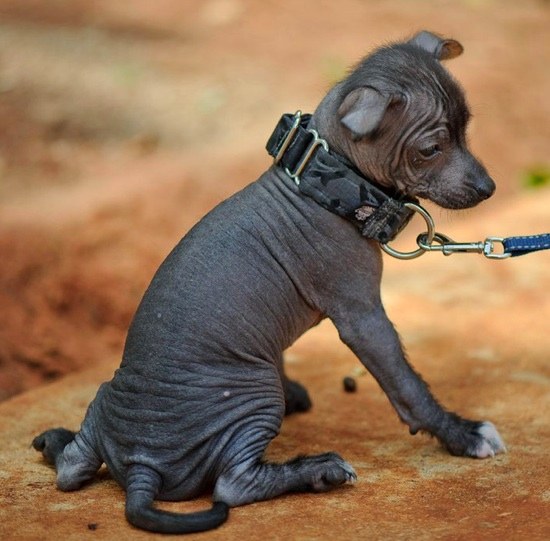
Xoloitzcuintli: temperament, skin care and calm ownership for the Mexican hairless dog
The Xoloitzcuintli is an ancient Mexican dog kept in toy, miniature and standard sizes, hairless or coated. You get a warm-skinned companion that bonds tightly with its people, stays cool with strangers and needs real skin care if it is hairless. What works is slow meetings, sun and cold protection, short kind lessons and a quiet role as a house watchdog rather than a guard-dog sell.
Job: Primitive Mexican dog in three sizes; hairless or coated, often dark skin or short coat.
Energy: Loyal to its circle; often wary of strangers and quick to notice the door.
Home: Suits a calm home ready for skin care, slow socialisation and clear house rules.
People see bare skin and expect an easy, exotic companion that needs almost nothing. Hairless Xolos need sunscreen thinking, jackets in the cold, moisturiser on dry patches and careful handling so the skin does not tear. Coated Xolos still carry the same reserved, one-family temperament.
What I meet in family homes is usually a clean, loyal dog that follows its people from room to room and sounds the alarm at the door. The hard parts are guests who rush in, cold wet weather on bare skin, boredom barking and a dog that never learned that strangers can be boring. None of that makes it a "difficult" breed. All of it shows up when a Xolo is chosen only for looks.
My plan has four parts. Slow, choice-based meetings with new people. Skin and temperature care every day. Short training with food. And a calm door routine so watching does not turn into hours of barking.
Toy to standard; roughly 10–23 in (25–58 cm) by variety
Weight
Varies widely by size variety
Energy
Moderate; calmer when comfortable and given companionship
Coat / shed
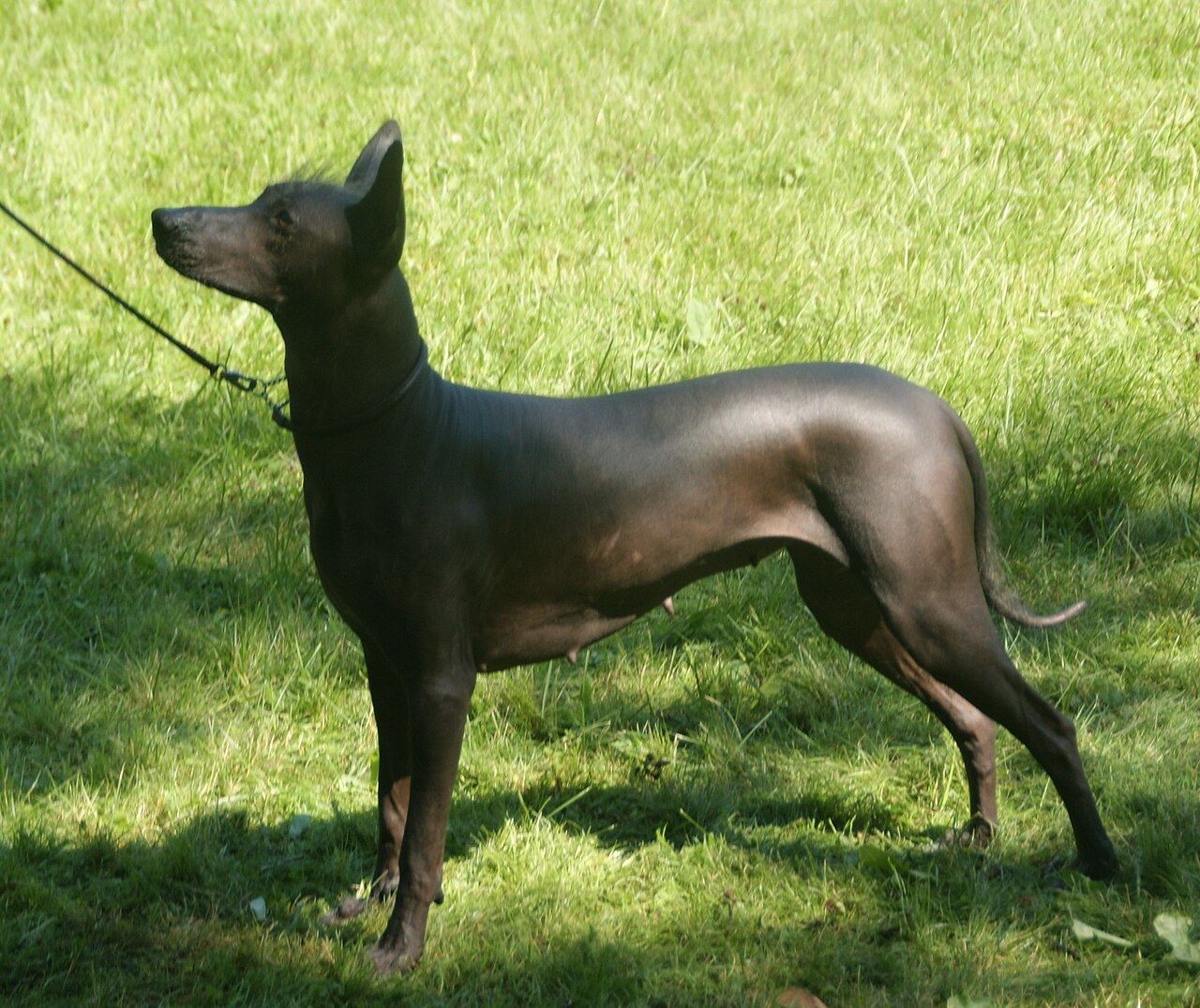
Hairless with tough warm skin, or a short coated variety; dark, bronze, spotted and other colours
Job
Primitive companion and house watchdog from Mexico (AKC Non-Sporting; FCI Group 5)
Breed history
How an ancient Mexican companion reached modern living rooms
Knowing the long companion history will not moisturise the skin, but it explains the tight bond, the door watch and the cool view of strangers.
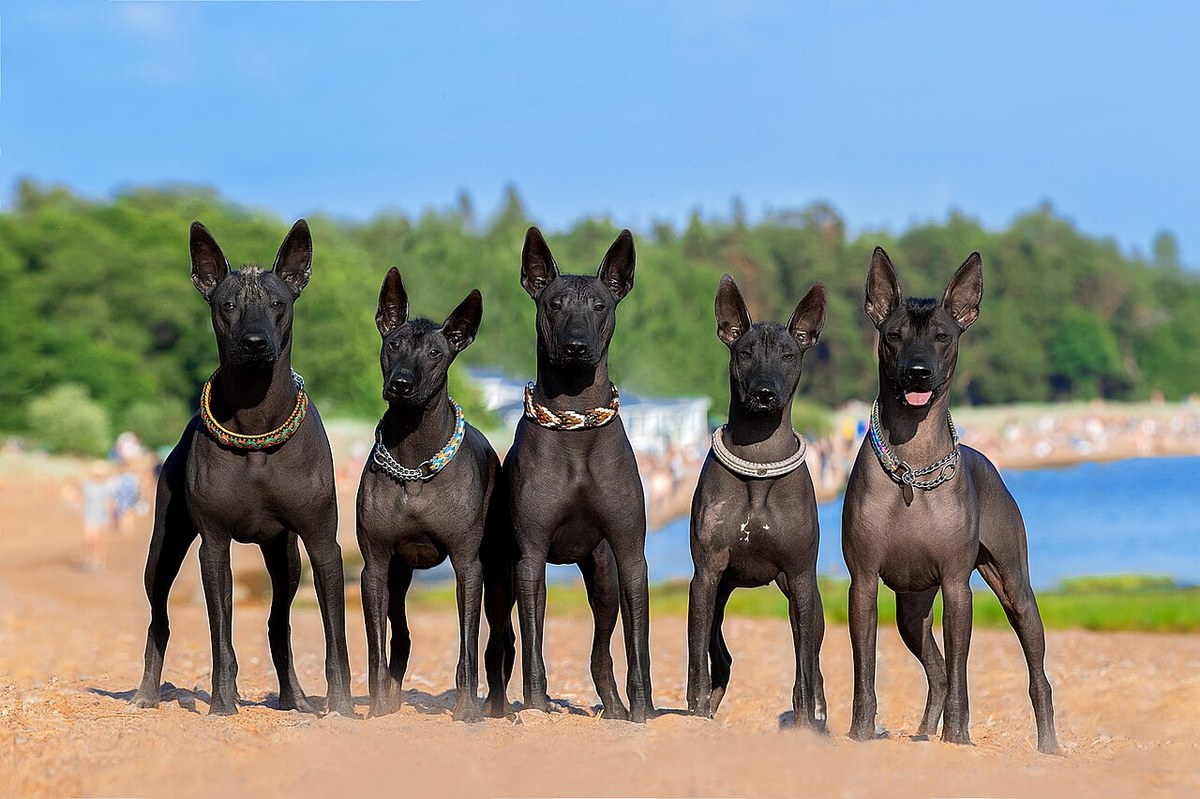
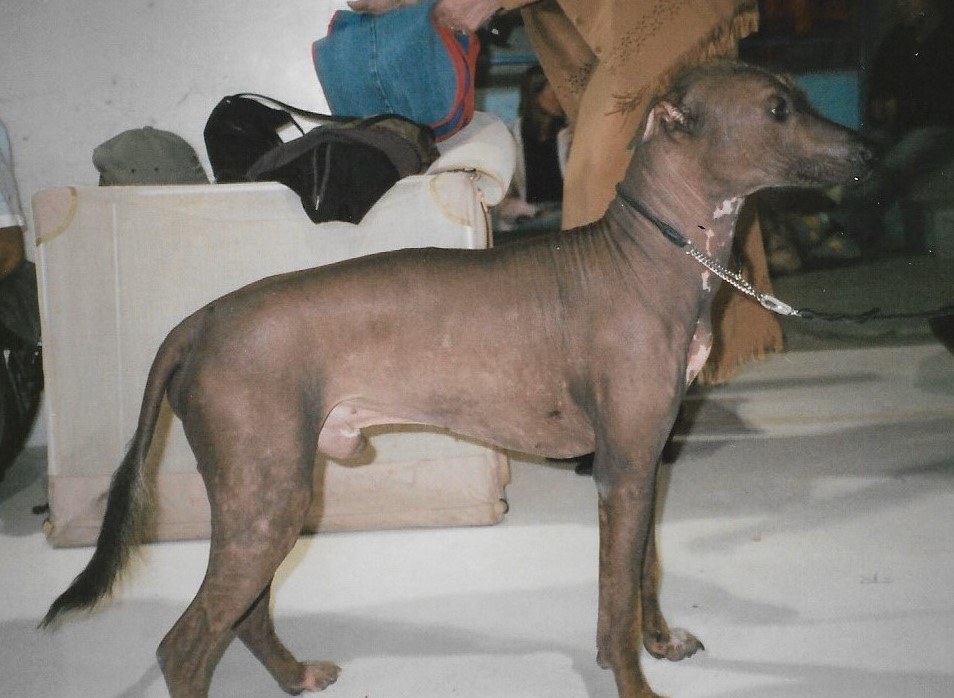
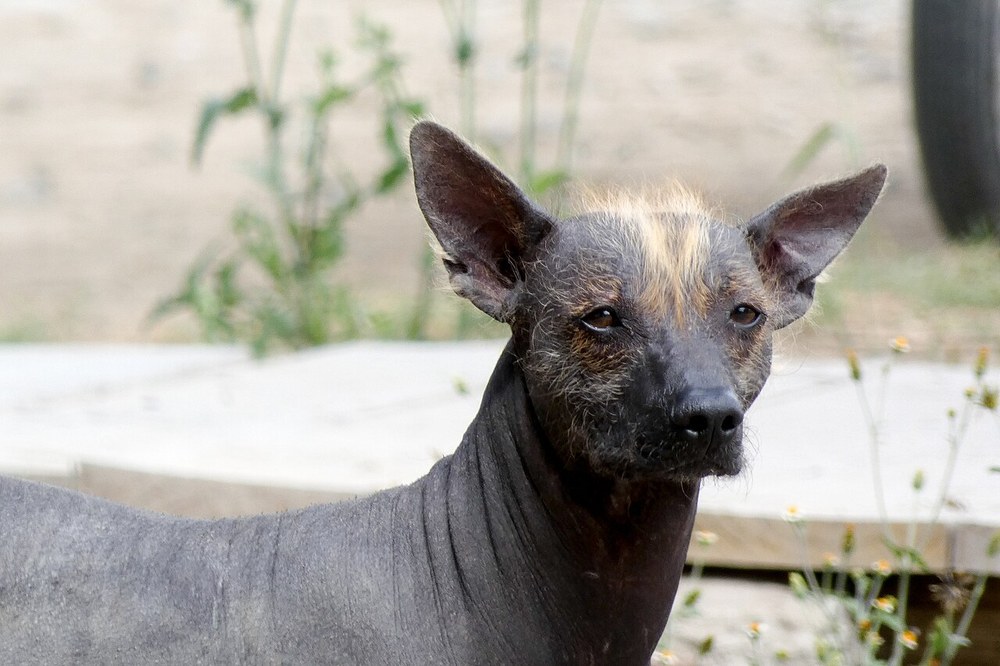
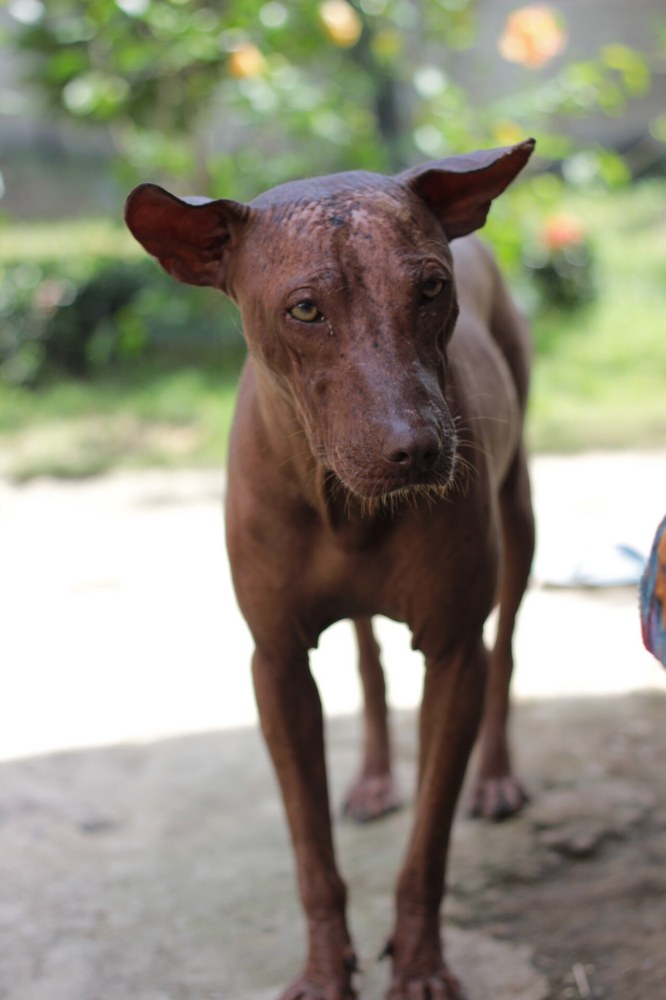
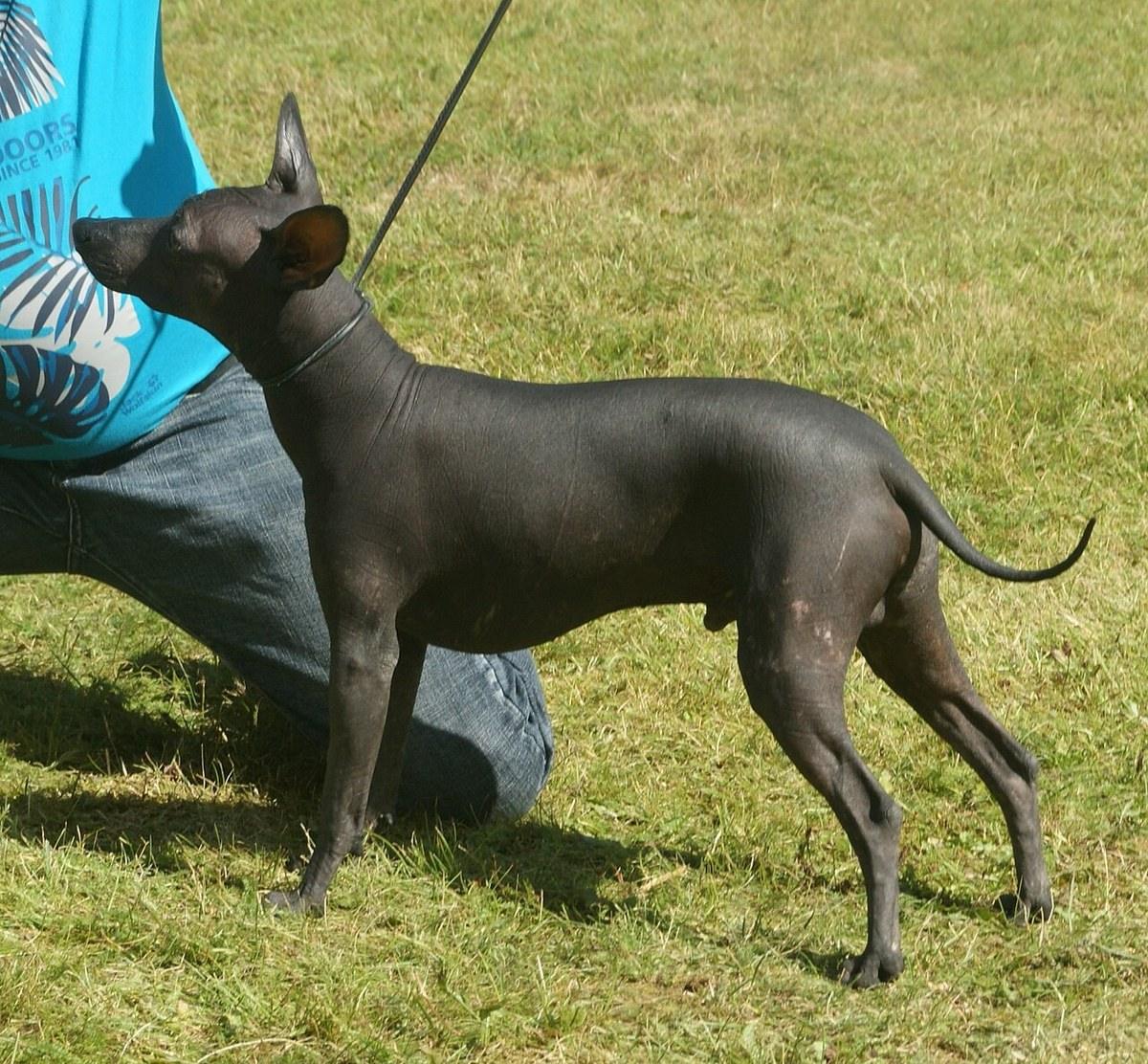
Standard Xolos outdoors. They enjoy walks and company, but bare skin still needs sun and cold care.
Mexico → companion and watchdog
Kept as a house companion and alarm dog
Breed histories describe the Xoloitzcuintli as an old Mexican companion dog, valued in hairless and coated forms. Families kept it close for warmth, company and to notice strangers near the home.
What matters for an owner is that the Xolo is still built for that life: a strong bond with a few people, a watchful door habit and little interest in being everyone's friend.
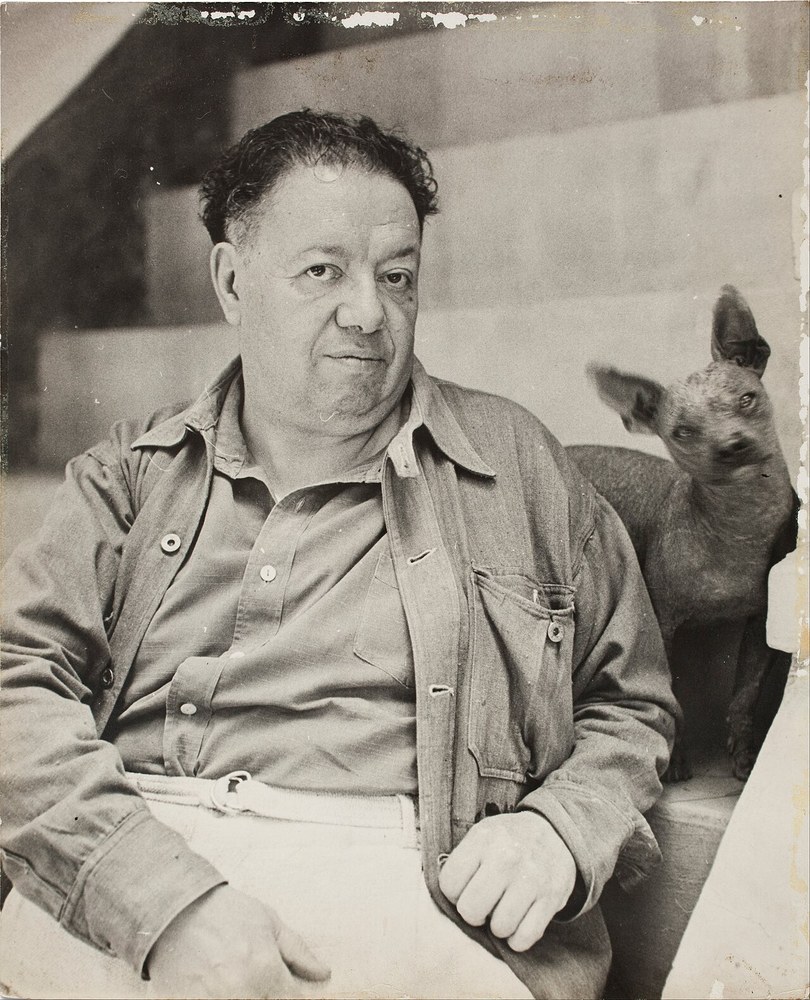
Historic photograph: Diego Rivera with a Xoloitzcuintli in the Blue House, Coyoacan. The breed has long lived close to people in Mexico.
From Mexico to kennel clubs
From Mexican homes to worldwide kennel clubs
The breed is listed by the FCI and shown in the AKC Non-Sporting group in toy, miniature and standard sizes. Hairless and coated puppies can appear in the same litter.
Most Xolos now live as family companions. The reserve with strangers, the door watch and the need to protect bare skin came along with them.
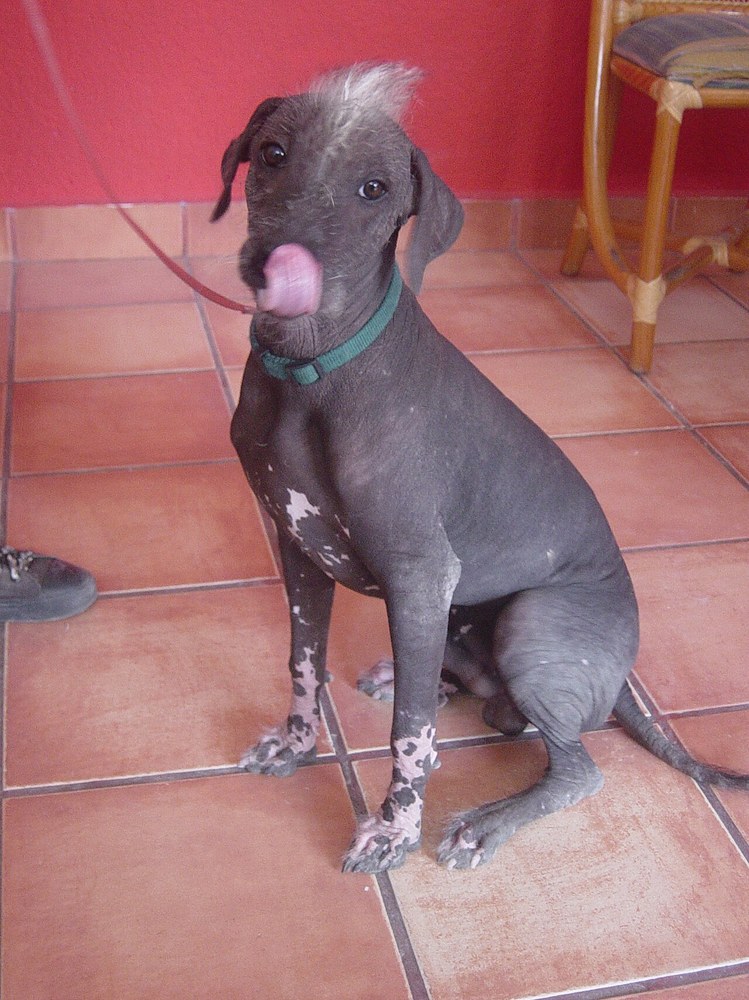
A Xoloitzcuintli sitting calmly. Many are quiet indoors once the skin is comfortable and the door routine is clear.
What the breed was bred for
Warm with family, cool with guests
Day to day you live with a dog that wants to be near its people, notices every knock and learns well with gentle, short lessons. Rough handling or forced petting makes it more distant.
Because the look is unusual, strangers often reach for the dog. The fair rule is that guests ignore it until the dog chooses to come closer.
A good day is a walk, skin care, slow greetings and a warm quiet bed
Most Xolos settle well with daily companionship, short training and a predictable door routine. Trouble usually starts with cold wet walks on bare skin, guests who grab, or a dog left alone too long without a plan.
Morning · walk
Walks with weather in mind
Hairless dogs need shade on hot days and a jacket when wind and rain strip heat from bare skin. Coated Xolos are tougher in cool weather but still dislike being rushed by strangers on the pavement.
Wipe dirt, check for scrapes, moisturise dry patches and ask your vet about sun protection products made for dogs. Acne-like bumps and cracked skin are care and vet questions, not stubbornness.
Give a padded bed away from drafts. After the dog has barked once or twice at a normal sound, call it to the bed and reward quiet. That keeps the watchdog habit useful instead of endless.
General awareness only. I am not a veterinarian. With Xolos, owners often notice trouble first as dry or broken skin, shivering, weight change, or a dog that suddenly avoids touch. For red flags, leave this page and open
when to call the vet.
Skin and sun
Bare skin burns and dries. Use shade, dog-safe protection your vet recommends, and moisturiser on dry patches. Deep cracks or infected bumps need a vet.
Cold weather
Hairless dogs lose heat fast. A jacket and a warm bed are basic care, not fashion.
Scrapes
Thin skin tears on brambles and rough play. Check the body after walks.
Weight
Toy and miniature dogs especially need careful portions. See BCS check at home.
Vet visits
Tell the vet the breed and size variety. Practise handling at home.
Ask the breeder
Ask which screenings the national breed club recommends for the parents. Do not invent disease claims from a blog.
Lines and types
Toy, miniature and standard Xolos share the same temperament pattern
No bloodline selling. Dogs differ in size, coat and how boldly they meet strangers. All of them need skin or coat care suited to the variety and slow trust with new people. A Xolo differs from a Chinese Crested in build and history, even though both can be hairless companions.
Hairless companion homes
Daily skin checks and weather care.
Guests ignore the dog first.
Door barking needs a settle step.
Meet adults of the size you want.
Suits a calm home ready for skin care and patient socialisation.
Coated Xolo homes
Same reserved temperament as hairless littermates.
Short coat is simpler in cold weather.
Still needs slow meetings and door manners.
Ask the breeder about coated lines in the litter.
Suits owners who want the Xolo mind without full hairless care.
Socialization windows
What to introduce — and what not to overload — by age
AVSAB-aligned in spirit: short, clean exposures at a distance the puppy can still eat,
with hygiene while vaccines finish. See the
puppy socialization schedule.
2–4 months
Home, skin and trust
Introduce: gentle handling, toilet routine, visitors who ignore the puppy, short jacket practice if hairless.
Do not overload: forced cuddles from strangers, long cold walks without a coat, skipping alone-time steps.
~6 months
Seeing the world from a safe distance
Introduce: new places at a distance where the puppy still eats, calm door games, moisturiser as routine.
Do not overload: crowded pet stores as the only outings, punishing bark alerts.
~12 months
Teenage watchdog
Introduce: settle after door alerts, longer alone time, steady recall on lead.
Do not overload: expecting the dog to love every guest, leaving it in cold rain.
~18–24 months
Growing up
Introduce: reliable guest routine, skin care as habit, quiet evenings.
Do not overload: dropping guest rules because one visitor was fine.
Do not overload: ignoring dry skin until it cracks.
Before you buy
Who a Xoloitzcuintli usually fits
Fit comes down to skin care, stranger manners, door barking, companionship needs, and whether you can live with a dog that will not be everyone's friend.
Good match
More likely a good fit if you…
You want a loyal, unusual companion with a calm house style
You can do daily skin or coat care for the variety you choose
You are fine with slow meetings and guest rules
You like gentle training with food
You want a dog that notices the door without becoming a yard guard fantasy
Mismatch risk
A Xoloitzcuintli may be a poor choice if…
You want a social butterfly at the park
You dislike moisturiser, jackets or sun care
You keep the dog outdoors in cold wet weather
You prefer firm, rough handling
You want an off-duty dog that ignores the doorbell
If you are torn between breeds
Xoloitzcuintli vs Chinese Crested and Basenji
All three are distinctive companion dogs with strong opinions about strangers and space. The Xoloitzcuintli is a Mexican primitive dog in three sizes, hairless or coated, with a house-watch habit. The Chinese Crested is a smaller hairless or powderpuff companion with a different build. The Basenji is a short-coated African hunting companion, often independent and not a barker in the usual sense.
Size
Xoloitzcuintli
Toy, miniature or standard.
Chinese Crested
Usually smaller toy companion size.
Coat / skin
Xoloitzcuintli
Hairless or coated; hairless needs weather care.
Basenji
Short coat; different care and very different voice.
With strangers
Xoloitzcuintli
Often cool and watchful; needs slow meetings.
Both compares
Crested: variable. Basenji: often aloof and self-willed.
Home fit
Xoloitzcuintli
Calm home, skin care, guest rules, companionship.
Both compares
None of the three is an automatic "easy apartment dog" without training.
Ownership without surprises
Where a Xoloitzcuintli owner’s budget goes
Costs depend on country, city and your choices. These are themes to plan for, not quotes.
Veterinary
Routine care plus skin advice from a vet who knows hairless breeds.
Skin care
Moisturiser, jackets, bedding and sun protection products your vet recommends.
Training
Puppy class, plus private help with guests or alone time if needed.
Gear
Harness, soft bedding, coats for cold and wet days.
Time
Daily skin checks and calm guest practice are the costs that never stop.
Skin comfort and guest manners matter more than anything you buy: a Xolo that is warm, moisturised and allowed to approach visitors on its own terms is far easier to live with.
Before day one at home
What to prepare for a Xoloitzcuintli puppy
A Xolo puppy is curious, clingy with its people and already unsure about fast hands. Have jackets, soft bedding, a moisturiser plan and quiet guest rules ready before it comes home.
01
House rules
Choose the sleeping spot, the guest rules and the warmest draft-free bed.
02
Gentle mouth
Praise soft play and stop the game when teeth land on skin. See biting and nipping.
Training a Xoloitzcuintli means slow trust, a calm door routine and comfort in its own skin
The skills that matter most are few: a settle after door alerts, a leave-it around food on counters, a bed cue, polite lead walking and the habit of letting strangers be boring.
This breed works for food when lessons stay short and kind. Force and loud corrections make a reserved dog more worried.
A lot of the work is set-up: jackets in the cold, shade in the sun, guests who wait, and not leaving a clingy adolescent alone for long days without practice.
Load balance
Comfort first, then ask for manners
Shivering, cracked skin or sudden short temper means care and a vet visit before more training.
Skin check and jacket if neededShort lead walkDoor settle gameBed with a chewQuiet time with family
Short training, calm guest practice and a warm settle all count. Long cold walks without protection do not.
A Xolo that is warm, has greeted on its own terms and found a soft bed will rest instead of pacing the hallway.
A door routine that keeps the watchdog useful
How to teach a Xolo to settle after barking at the door
Let one or two alerts happen, call the dog away, reward quiet on a bed, practise with soft knocks and keep guests calm when they enter.
01
Allow a short alert
Let the dog bark once or twice at a normal door sound.
02
Call away
Use a happy cue and move toward the bed away from the door.
03
Reward quiet
Food or a chew on the bed for settling.
04
Practise soft knocks
Repeat with quiet taps before hard doorbells.
05
Coach guests
Visitors enter calmly and ignore the dog at first.
One scene close-up
Why a Xolo keeps barking after the doorbell
Most Xolos that bark for a long time have learned that staring at the door is their job, and nobody taught the next step. Watching is natural; endless barking is a missing settle plan.
Start with set-up: a bed away from the door, rewards for coming when called, and guests who do not excite the dog further.
If barking is extreme or tied to fear, get help from a qualified professional.
“With a Xoloitzcuintli, I begin with three things: skin and temperature comfort, a guest rule that the dog chooses contact, and a settle step after door alerts. Once those are in place, the Xolo turns into a clean, loyal companion rather than a worried watchdog.”
Sessions cover the scenes that matter: strangers, door barking, alone time, handling and settle. I am a trainer, not a veterinarian.
Andrew DarovProfessional dog trainer and instructor
Dog barking for attention during calls, on the sofa or at dinner? Stop answering the bark, teach a quiet way to ask, and plan attention before it starts.
Why dogs bark at the door, knocks and patio glass, and how to stop it: block the view, manage arrivals and teach a calm go-to-mat job at the knock.
Need a read on your exact situation?
Tell me your Xolo’s age, size and the scene that keeps repeating: strangers, door barking, skin, alone time or settle trouble. We check safety and health first, then pick the first skill.