
Expert Advice · Expert Advice · 8 min read
Can Cavaliers be left alone? Realistic alone time
Cavalier King Charles Spaniels were bred to stay close to people, so many find being alone harder than other dogs do. With alone time built up slowly from a few minutes, many adult Cavaliers cope with about three to four hours. Longer days need a walker, a sitter or daycare, and panic signs need qualified help.
Cavaliers can be left alone, but many find it harder than other breeds and need it built up slowly. With careful practice, many adult Cavaliers cope with about three to four hours; puppies need far less. Long workdays need a walker, sitter or daycare. Breed background is on the Cavalier King Charles Spaniel guide, and the first steps of leaving any puppy are on first absences. This page is about building realistic alone time for a Cavalier.
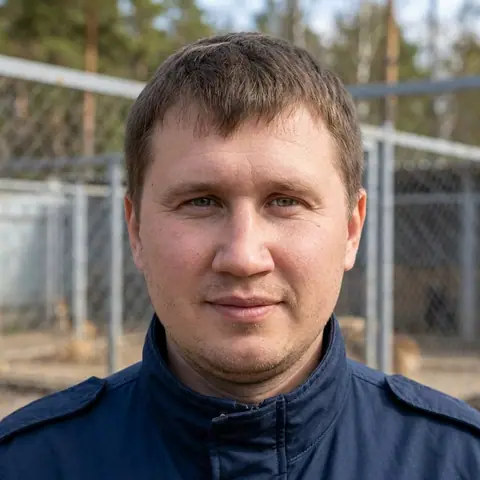
I am Andrew Darov, a dog trainer. I am not a veterinarian. This is a life page about everyday routines, not a diagnosis of separation anxiety.
Can Cavaliers be left alone at all?
Yes. Most Cavaliers can learn to rest alone for part of the day, as long as it is taught in small steps and the absences stay realistic.
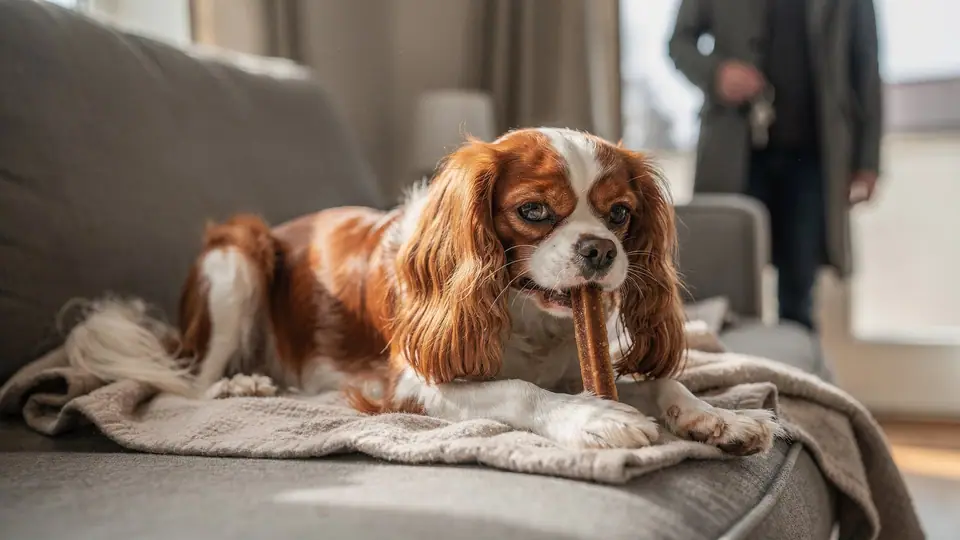
The Cavalier is a toy spaniel bred as a companion. Many follow their people from room to room, sleep pressed against a leg and greet every return like a holiday. That closeness is a big part of why people love the breed. It also means being left alone is often a bigger change for a Cavalier than for a more independent dog.
Some Cavaliers are relaxed from the start. Others whine when you go to the bathroom. Watch the dog you have.
How long can a Cavalier be left alone?
As a rough guide for a dog that has been taught to be alone:
- Puppies up to about four months: minutes, building to under an hour, and never longer than they can hold their bladder.
- Older puppies and adolescents: one to two hours, if practice has gone well.
- Adult Cavaliers: about three to four hours for many dogs. Some manage a little longer, some much less.
Those numbers assume the dog has had a walk, a toilet trip and some company first. For the general picture across all dogs see how long can a dog be left alone.
How do you build alone time for a Cavalier?
- Set up a calm resting place. Use a pen, a gated room or a crate your dog already likes, with a soft bed, water and a long-lasting safe chew. Many Cavaliers settle better if they can still smell you, so a worn T-shirt in the bed can help. Use the same place each time.
- Practise short exits. Start when the dog is already tired and chewing. Step out of the room and come straight back. Then close the door for a few seconds. Then step out of the front door. Come back calmly, without a big greeting. Several short exits a day work better than one long one.
- Build the time slowly. Add a little time only when the dog stays relaxed: still chewing, lying down or asleep when you return. If it barks, whines, scratches the door or paces, go back to a shorter time for a few days. Slow progress is normal for this breed.
- Film your dog. Use a phone or a home camera for the first ten minutes of each longer absence. A dog that sniffs about and then sleeps is coping. A dog that cries at the door the whole time is not, even if the house is tidy when you get back.
- Plan cover for long days. For workdays, arrange a dog walker, neighbour, sitter, daycare or a family member to break the day so your Cavalier is not alone for more than about three to four hours. A long day alone undoes weeks of good practice.
Does a Cavalier need a crate to be left alone?
No. A crate works well for dogs that already like it. A small gated room or a puppy pen works just as well and gives a bit more space. What matters is a safe, familiar spot with nothing dangerous to chew. If your dog does not settle in a crate yet, use a pen while you work on crate training separately.
What about a second dog or the TV?
A second dog can help some dogs, but many Cavaliers want their people, not just another dog. Get a second dog because you want two dogs, not as a fix. Radio or TV may help mask noises from the street or hallway, but they do not teach a dog to be alone. Sniffing games and a chew before you leave usually help more.
When is it more than a training problem?
Get help from a qualified trainer or behaviour professional if your Cavalier:
- barks, howls or cries for most of the time you are out,
- scratches or chews at doors, windows or the crate,
- has toilet accidents only when left alone,
- drools, pants or refuses food until you come back,
- hurts itself trying to get out.
These can be signs of panic, not boredom. Stop the long absences while you get help. For damage when the dog is alone, see dog destroys house when left alone. If the dog’s behaviour changed suddenly, ask your vet as well.
What are the usual mistakes?
- Starting with a full workday. Build up from seconds and minutes.
- Big goodbyes and big hellos. Keep leaving and coming back calm and boring.
- Judging by the state of the house. Film the dog. A tidy house can hide a dog crying at the door.
- Leaving before a walk and a toilet trip. A tired, empty dog rests more easily.
- Hoping it will pass. Panic when alone usually gets worse without a plan.
A Cavalier can learn to rest alone with small steps, calm exits and realistic hours. Read the Cavalier King Charles Spaniel guide for the breed as a whole, start with first absences, and check how long can a dog be left alone for any dog. More on the life hub.
Questions on this page
How long can a Cavalier King Charles Spaniel be left alone?
Many adult Cavaliers cope with about three to four hours once alone time has been built up slowly. Puppies need much shorter stretches. Some Cavaliers struggle with even short absences, so watch your own dog rather than a number.
Are Cavaliers prone to separation anxiety?
They are a people-focused companion breed, and many owners report that their Cavalier finds being alone hard. That does not mean every Cavalier will panic. Practising alone time early and in small steps makes a big difference. Only a professional who sees the dog can tell you whether it is true separation distress.
Can I own a Cavalier if I work full time?
Yes, if someone covers the middle of the day. A dog walker, a neighbour, a sitter, daycare or working from home some days can break up a long day. Leaving a Cavalier alone for eight or more hours every weekday is too long for most.
Will a second dog help my Cavalier when I am out?
Sometimes, but often not. Many Cavaliers want their people, not just company. Get a second dog because you want two dogs, and build alone time for the first dog anyway.
What are signs my Cavalier is not coping alone?
Barking, howling or whining for most of the time you are out, scratching or chewing at doors and windows, toilet accidents only when alone, drooling, panting, or refusing food until you come back. Film the first ten minutes to see what happens.
Work with me
A $150 consultation or $500 monthly curatorship. Opens WhatsApp to Andrew.