Norwich Terrier: temperament, attitude and earthdog drive for the prick-eared small ratter
The Norwich Terrier is a small East Anglian ratter with prick ears, a wiry coat and a big attitude in a compact body. You get prey interest, digging and barking instincts, and a dog that wants a say in dog-to-dog meetings. What works is clear manners early, recall limits on a long line, safe dig and chase games that end, and a settle plan so the little boss can rest.
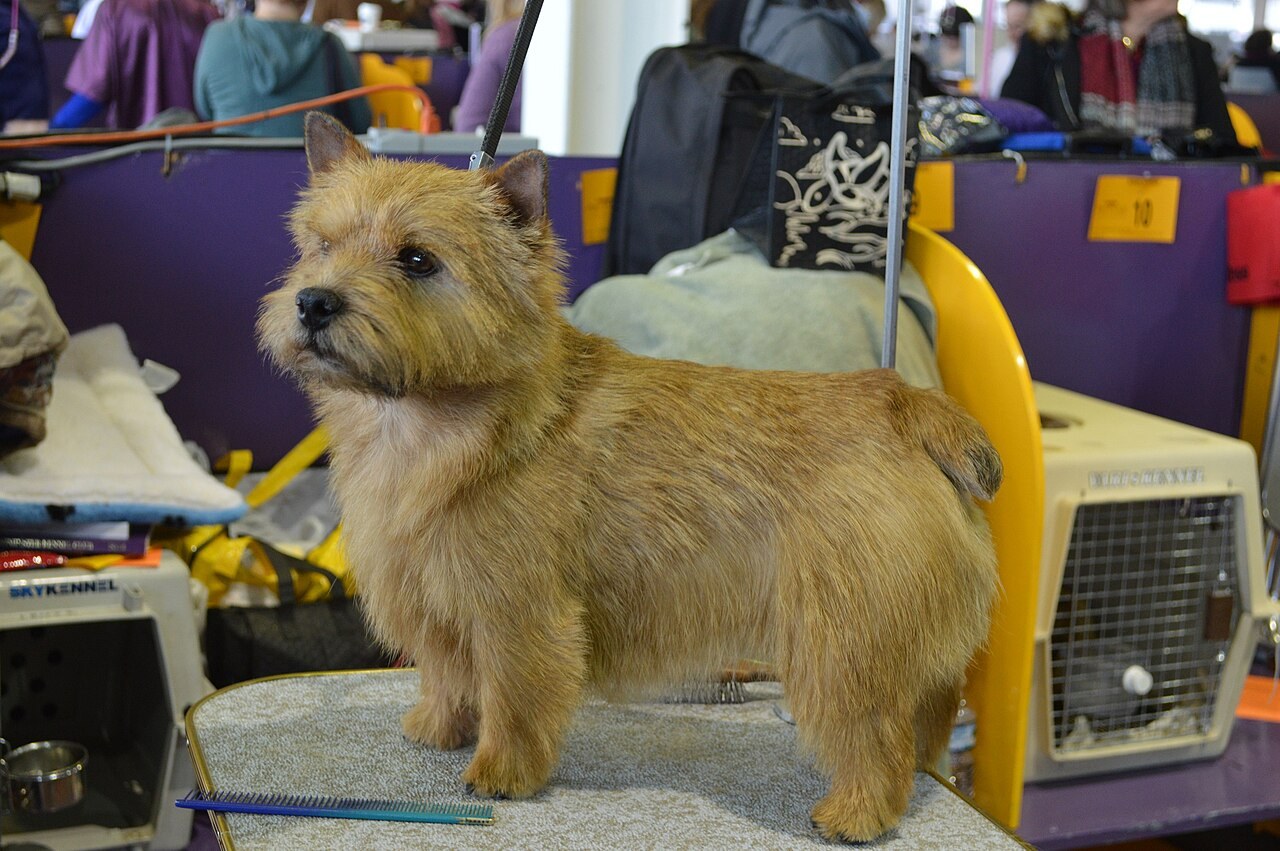
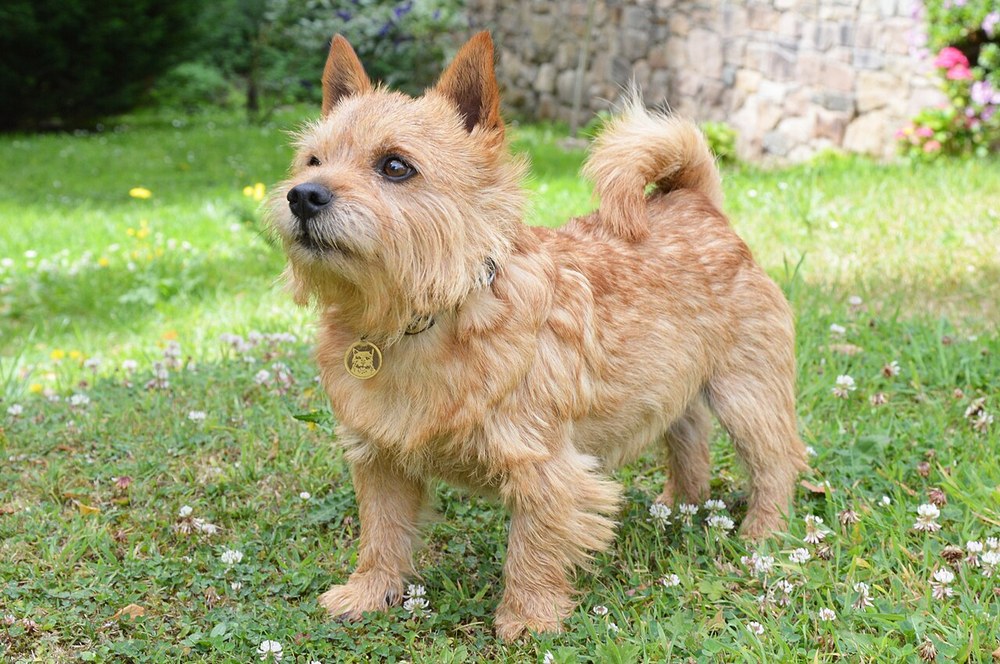
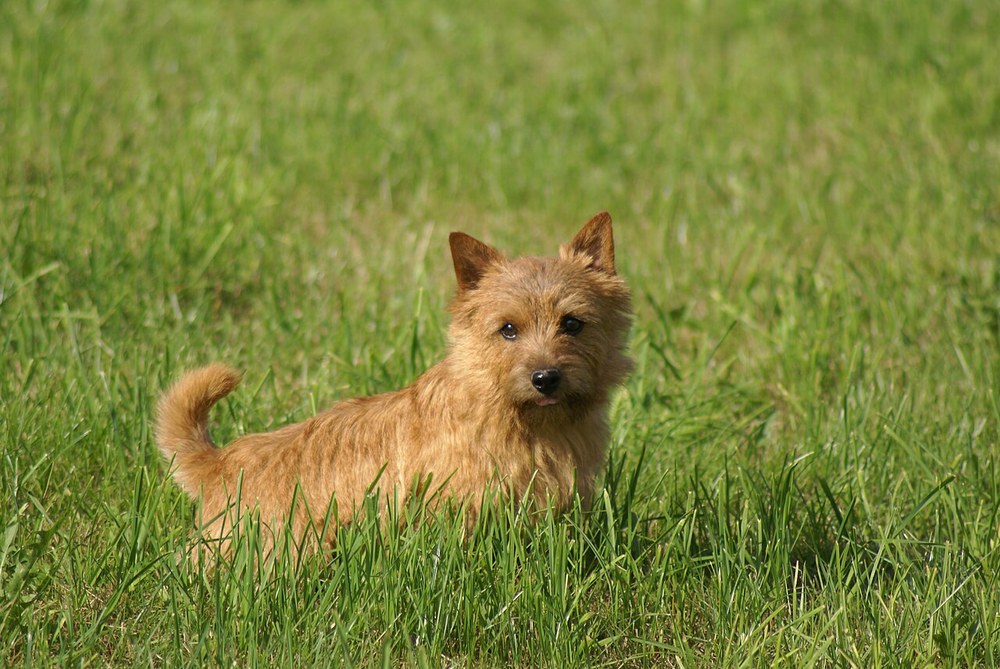
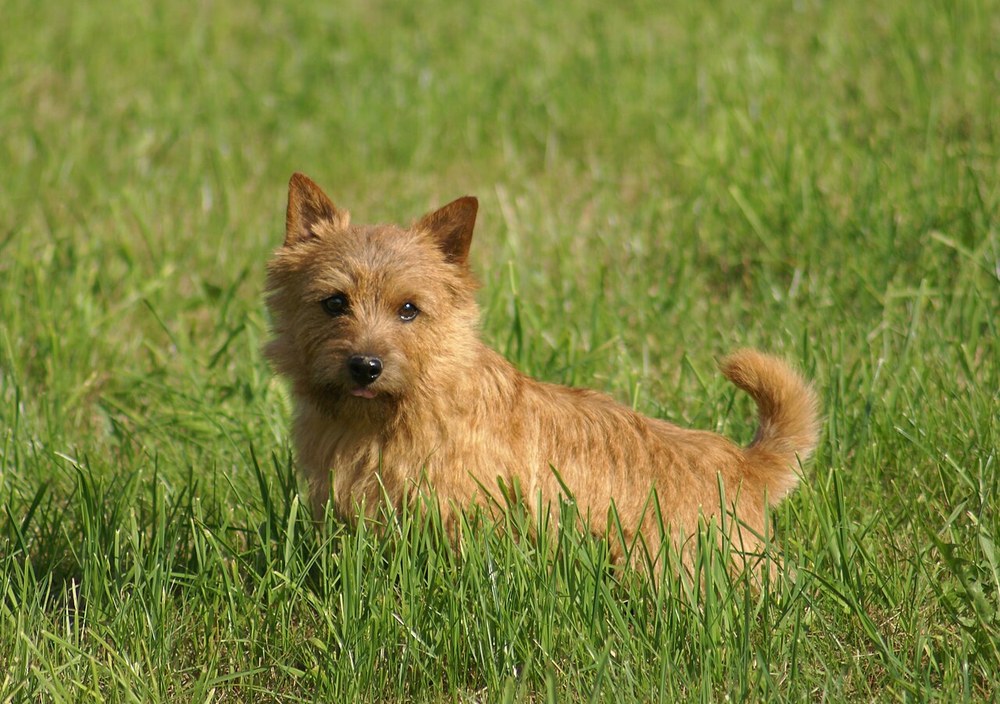
Job: Prick-eared small earthdog; wiry coat in red, wheaten, black-and-tan or grizzle.
Energy: Big-dog attitude in a small body; recall and dog manners need early work.
Home: Suits a home that likes a bold little terrier and will not treat size as "easy".
A Norwich Terrier is not a soft toy that happens to bark
People see the small size and prick ears and expect a portable companion that will be fine with every dog in the park. The Norwich Terrier was bred to hunt rats and work as a pack ratter. Under-managed, it argues with other dogs, digs and invents chaos in the house.
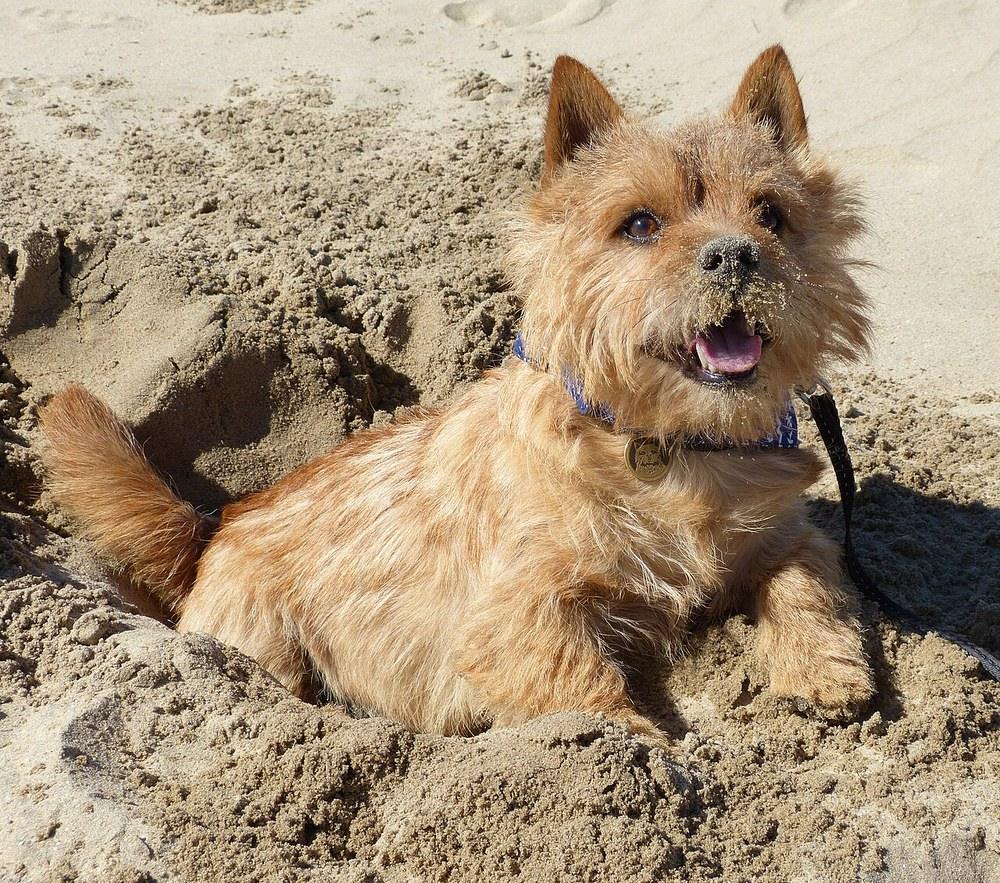
What I meet in family homes is usually a loyal, funny little dog that softens with its people after real outlets. The hard parts are dog-to-dog manners, squirrels, teenage noise and owners who thought "small" meant low maintenance. None of that is mystery behaviour. All of it shows up when an earthdog is kept like a handbag breed.
My plan has four parts. Early dog manners with exits. Dig and chase games with an ending. Lead manners that reward check-ins. And a bed cue after the busy work so the house can rest.
Medium-high outdoors; often calmer indoors after dig and chase work
Coat / shed
Hard, wiry and straight; red, wheaten, black-and-tan or grizzle
Job
Small earthdog / ratter (AKC Terrier; FCI Group 3; RKC Terrier)
Breed history
How an East Anglian ratter became the prick-eared Norwich
Knowing the ratting history will not tire your dog, but it explains the attitude, the dig instinct and why size should never fool you.
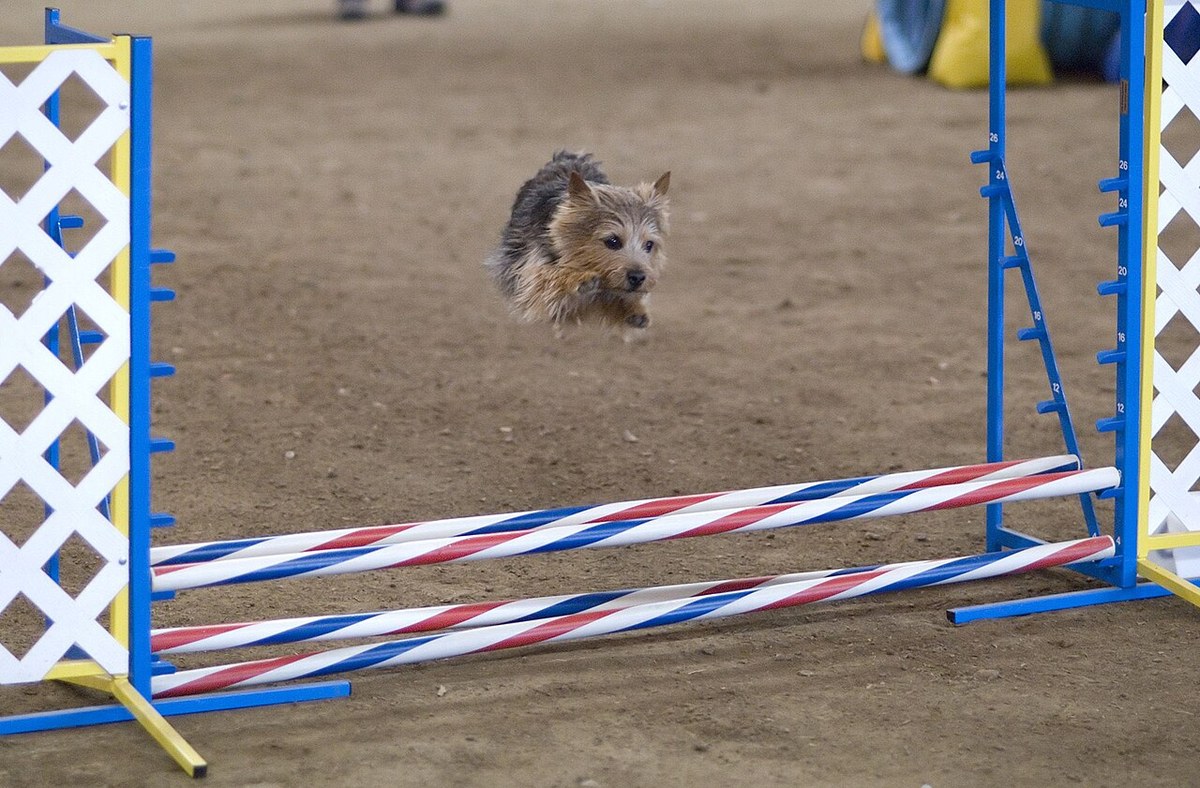
A Norwich Terrier clearing an agility jump — small body, full earthdog engine.
East Anglia → rats and packs
Bred to hunt rats with courage
Breed histories describe Norwich Terriers as small English earthdogs developed in East Anglia to hunt rats and work with boldness out of proportion to their size. Voice, grit and a weatherproof coat were the point of the breed.
What matters for an owner is that the Norwich is still built for that life: prey interest, digging and a willingness to argue when it feels challenged.
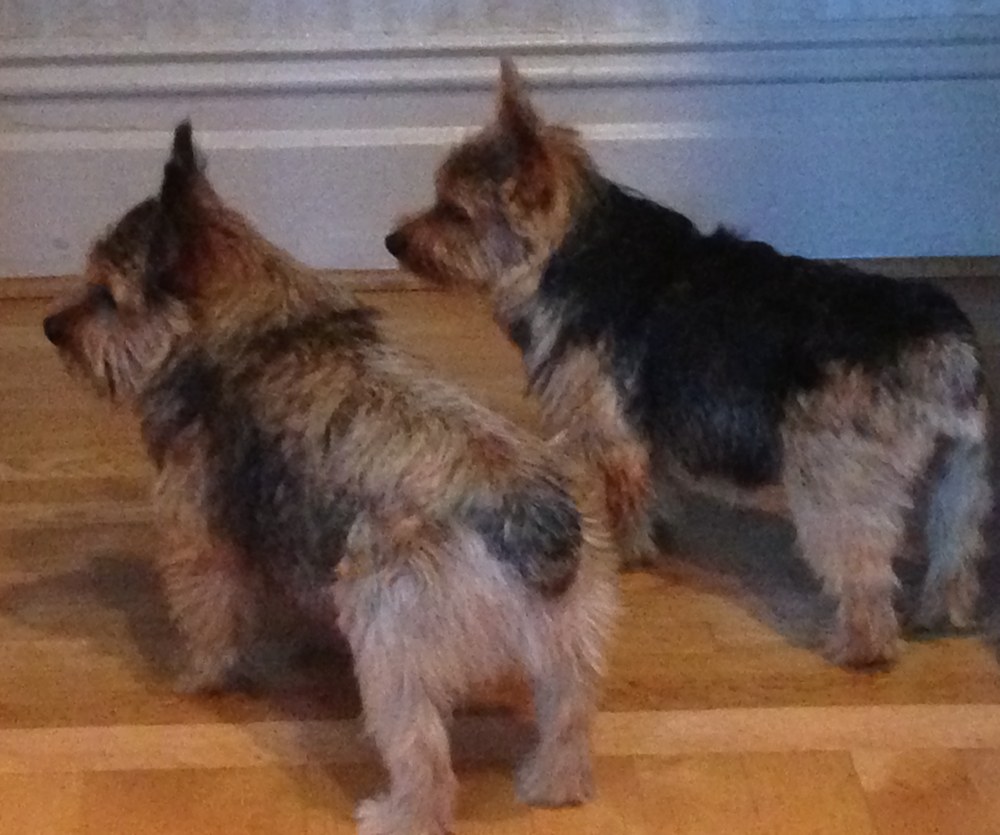
Grizzle and black-and-tan Norwich Terriers: prick ears and wiry coats in two colours.
Norwich vs Norfolk ears
Prick ears for Norwich, drop ears for Norfolk
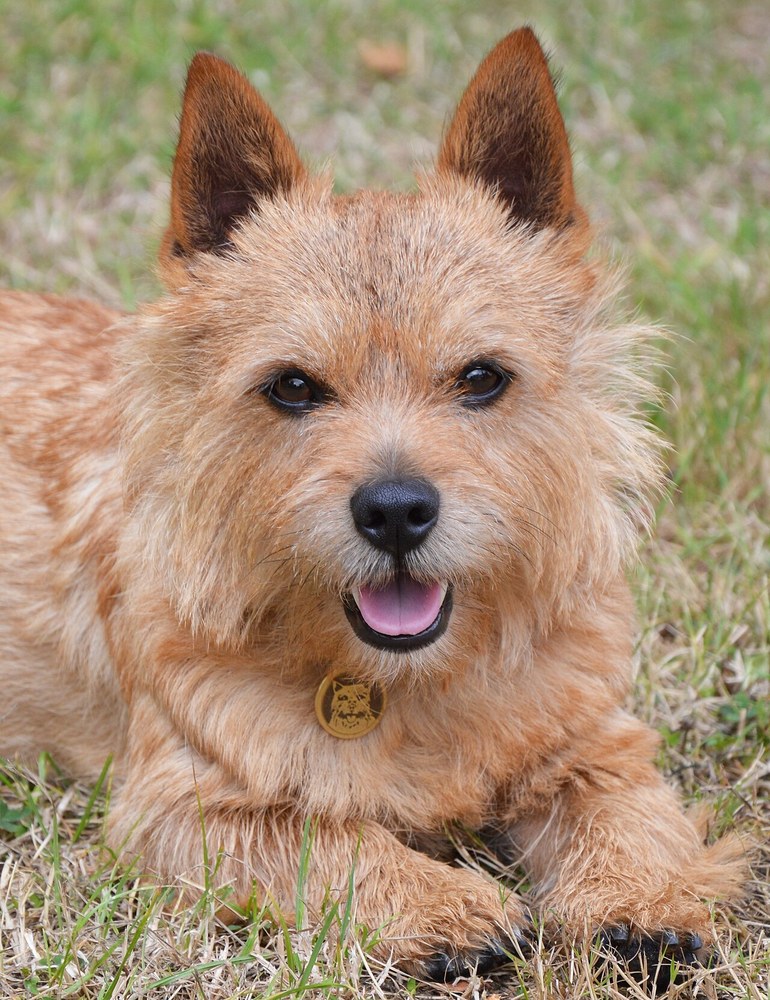
Norwich and Norfolk Terriers share roots. The simple owner rule is ears: Norwich stands its ears (prick-eared); Norfolk folds them (drop-eared). They are separate breeds in modern kennel clubs, not coat varieties of one dog.
Most pet Norwich still need dig and manners work. Without them, the same dog that looks charming in photos becomes a park debater and a garden digger.
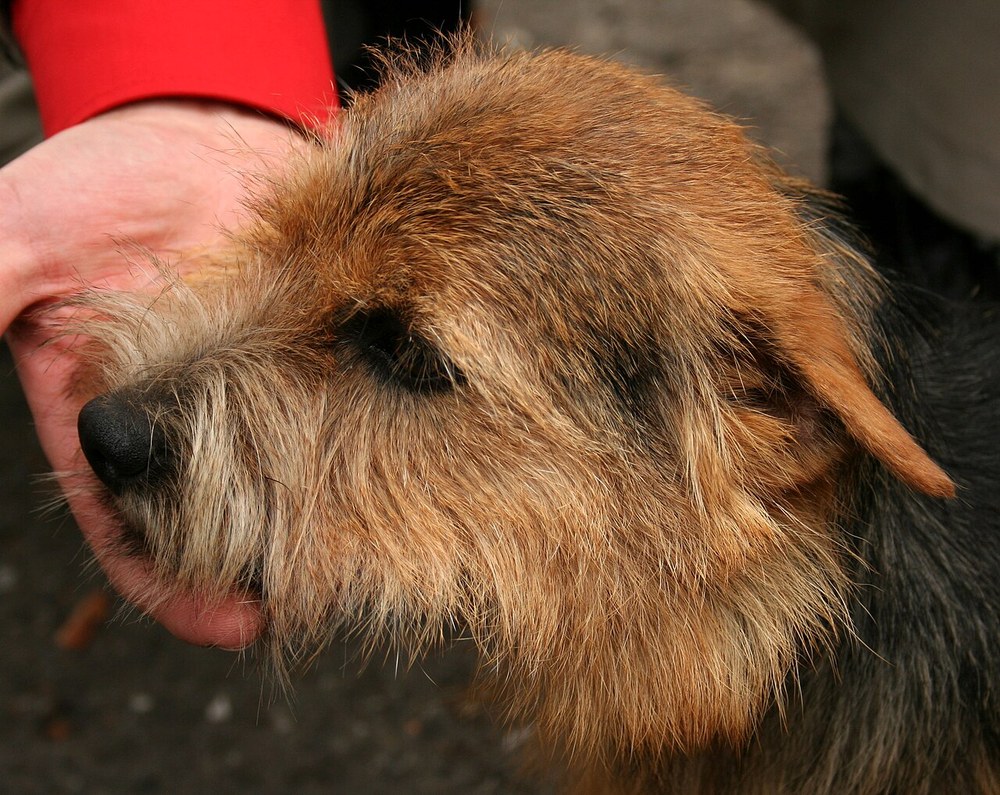
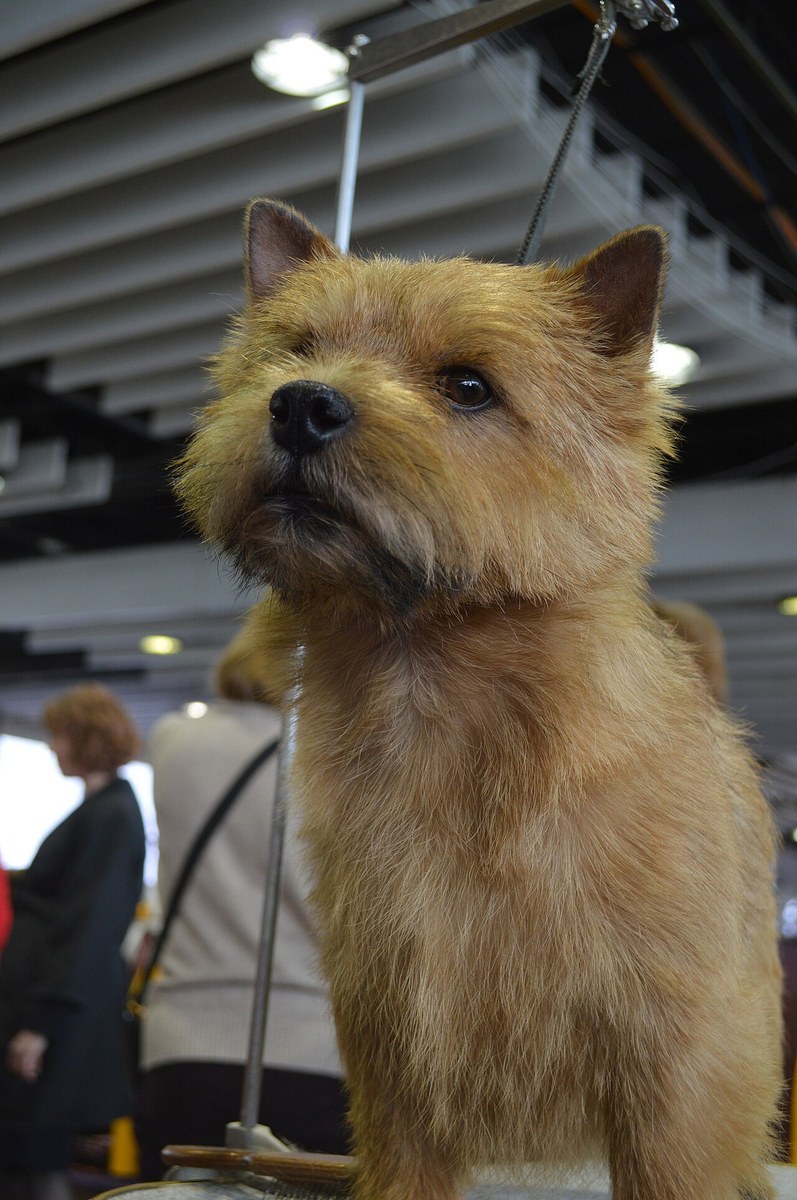
Close head study of a Norwich Terrier: prick ears and a wiry face.
What the breed was bred for
Bold outdoors, soft with its people after work
Day to day you live with a dog that is often affectionate and comic once its body has worked. It learns well with food and toys that move.
Because it looks tiny on the couch after a dig session, owners sometimes drop the plan. Within days the barking, digging and dog arguments climb back.
A good day is a dig or chase game, a sniff walk, careful dog practice and a long nap
Most Norwich Terriers settle well with short high-drive games that end, sniffing and clear dog-meeting rules. Trouble usually starts with free-for-all dog parks, pavement-only weeks or no settle cue after excitement.
Dig · work
A dig spot and short earthdog games
If you do not pick a dig box, the dog will pick the flower bed. Reward digging in the right place and interrupt the wrong place early.
Skip chaotic dog parks at first. Practise parallel walks, reward check-ins and leave before tension rises. A small dog with big attitude needs set-up, not hope.
Brush the hard coat and check for mats behind ears. Many coats need hand-stripping or a groomer who knows wire terriers. Handling practice keeps visits simple.
General awareness only. I am not a veterinarian. With Norwich Terriers, owners often notice trouble first as limping after rough play, skin issues under a wiry coat, or a dog that suddenly avoids being touched. For red flags, leave this page and open
when to call the vet.
Joints and rough play
Small dogs still sprain and tear things in wild play. Any limp is a vet question. See limping stop list.
Coat and skin
Brush and check under the wire coat. Hot spots hide in dense jackets.
Weight
Keep a small terrier lean. Ask your vet to judge condition. See BCS check at home.
Teeth
Small mouths need dental care; ask your vet for a plan.
Vet visits
Tell the vet the breed and how bold the dog is with handling.
Ask the breeder
Ask which screenings the national breed club recommends for the parents. Do not invent disease claims from a blog.
Lines and types
Norwich Terriers need manners and outlets whether show or companion typed
No bloodline selling. Dogs differ in how sharp they are with other dogs and how much coat work they need. All of them need dig outlets and careful dog introductions. The Norwich differs from the Norfolk mainly by ear carriage: prick versus drop. Do not treat them as the same breed with a haircut.
Active companion homes
Daily dig or chase plan, not hope.
Careful dog meetings.
Settle after exercise.
Meet parents for noise and dog manners.
Suits a home that likes a bold small terrier and will train early.
Earthdog and sport homes
Earthdog and scent games fit the breed.
Keep sessions short and clear.
Rest after busy weekends.
Protect small bodies in rough group play.
Suits an owner who wants a classic small earthdog and can train steadily.
Socialization windows
What to introduce — and what not to overload — by age
AVSAB-aligned in spirit: short, clean exposures at a distance the puppy can still eat,
with hygiene while vaccines finish. See the
puppy socialization schedule.
2–4 months
Home, soft mouth and early dog manners
Introduce: name game, short chase games that end, gentle handling, toilet plan, calm parallel dog walks.
Do not overload: chaotic puppy free-for-alls, skipping alone-time steps, open-ended dig wars.
Do not overload: off-lead trust near squirrels, unsupervised dog-park debates.
~12 months
Building control safely
Introduce: solid place cue, careful dog introductions, bed after work, lead manners in town.
Do not overload: hoping adolescence will soften itself without practice.
~18–24 months
Growing up
Introduce: reliable settle after dig sessions, steadier recall on a long line, first earthdog fun if that is your path.
Do not overload: dropping manners work because the dog looked calm for a week.
~3 years+
Keep what works
Introduce: regular outlets, refresh dog manners, yearly checks.
Do not overload: assuming the dog is "done" needing earthdog work.
Before you buy
Who a Norwich Terrier usually fits
Fit comes down to dog manners, dig space, realistic recall near prey, and whether you can live with a bold little terrier that is still affectionate at home after work.
Good match
More likely a good fit if you…
You want a prick-eared small earthdog with real personality
You can offer dig and chase games and careful dog introductions
You are honest about long-line use near prey
You like a funny, people-oriented terrier after exercise
You can brush a wiry coat or budget for a terrier groomer
Mismatch risk
A Norwich Terrier may be a poor choice if…
You only have short pavement walks to offer
You want a soft, always-friendly dog-park social butterfly
You prefer a low-energy couch breed
You dislike digging, barking and muddy paws
You want a protective mastiff attitude in a tiny body
If you are torn between breeds
Norwich Terrier vs Norfolk Terrier and Cairn Terrier
All three are small rough-coated earthdogs. The Norwich is prick-eared. The Norfolk is drop-eared and closely related in history. The Cairn is usually a bit longer-bodied Scottish earthdog with its own coat and attitude pattern.
Ears
Norwich Terrier
Prick ears (stand up).
Norfolk Terrier
Drop ears (fold).
Outline
Norwich Terrier
Compact small ratter.
Cairn Terrier
Often a bit longer and lower.
Job style
Norwich Terrier
Rat and earth work with big attitude.
Both compares
All three dig and chase; manners still need teaching.
Home fit
Norwich Terrier
Home that trains a bold small terrier early.
Both compares
All three fail if treated as soft toys.
Ownership without surprises
Where a Norwich Terrier owner’s budget goes
Costs depend on country, city and your choices. These are themes to plan for, not quotes.
Veterinary
Routine care plus attention to teeth, skin and activity injuries.
Grooming
Wire coats often need stripping or a specialist groomer.
Training
Class or private help with dog manners, leave-it and settle.
Gear
Harness, long line, dig box materials, bedding.
Time
Daily outlets and manners practice are the cost that never stops.
Early dog manners and dig outlets matter more than anything you buy: a Norwich that works then settles is far easier than one arguing at every gate.
Before day one at home
What to prepare for a Norwich Terrier puppy
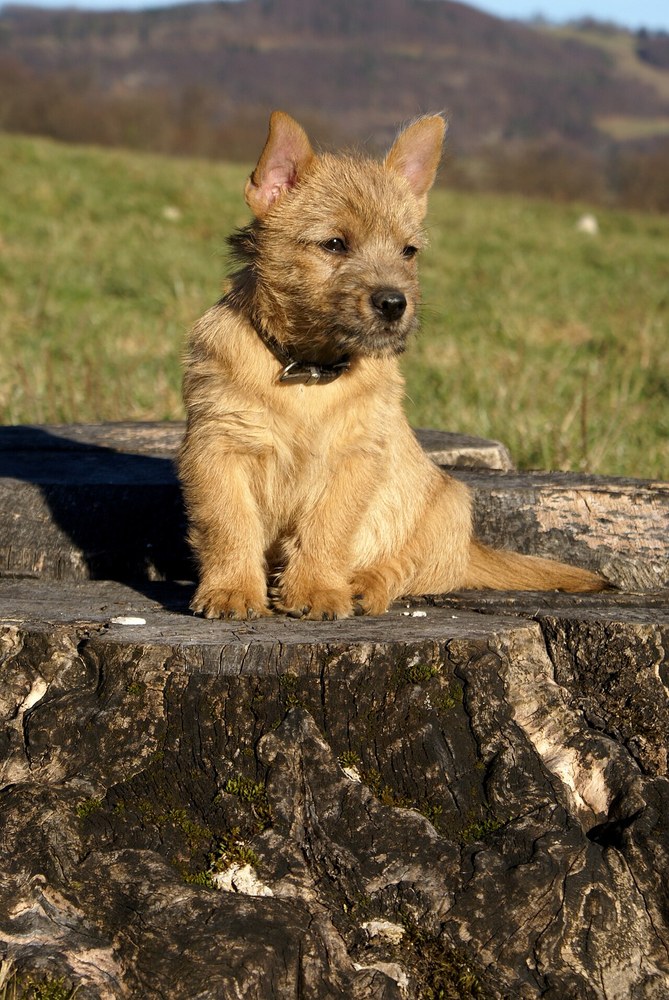
A Norwich puppy is bold, busy and already interested in anything that moves. Have a dig box, a long line and a careful dog-meeting plan before it comes home.
Training a Norwich Terrier means dig outlets, dog manners and a realistic recall
The skills that matter most are few: careful dog meetings, a leave-it around prey, a recall built on a long line, dig rules, a bed after work and lead manners in town.
This breed works for food and moving toys when lessons stay clear. Heavy-handed training often makes a bold terrier worse.
A lot of the work is set-up: dig spots, long lines near wildlife, and not pretending dog parks replace manners.
Load balance
Dig and chase first, then ask for calm
Age, joints and heat all change what is safe. A limp, overheating or sudden short temper means a vet visit before more work.
Sniff walkDig spot sessionShort chase game that endsBed with a chewLong nap
Digging, controlled chase and sniff work all count. Neighbourhood walks alone almost never satisfy a Norwich.
A Norwich that has dug, chased on cue and found a bed will sleep instead of arguing at the garden gate.
Dog manners that respect a big attitude
How to practise dog meetings with a Norwich Terrier
Start with parallel walks at a distance, reward check-ins, keep sessions short, leave before tension and avoid chaotic free-for-alls while habits form.
01
Parallel at a distance
Walk past another dog far enough that your Norwich stays loose.
02
Reward check-ins
Feed for looking at you instead of staring hard.
03
Keep it short
End while both dogs are still calm.
04
Leave before tension
Increase distance at the first stiff body.
05
Skip free-for-alls
Avoid chaotic dog parks while habits form.
One scene close-up
Why a Norwich Terrier argues with other dogs
Most Norwich that squabble have found the job they were bred for: hold their ground. Size does not make them soft. That is breeding, not a personal insult.
Start with set-up: distance, parallel walks, exits, and dig or chase games that burn the busy brain. Then rebuild meetings from easy to hard.
If fights are frequent, get help from a qualified professional.
“With a Norwich Terrier, I begin with three things: careful dog meetings, a dig spot you choose, and a settle cue after work. Once those are in place, the Norwich turns into a funny house companion rather than a tiny park politician.”
Sessions cover the scenes that matter: dog manners, digging, prey, settle after work and being left alone. I am a trainer, not a veterinarian.
Andrew DarovProfessional dog trainer and instructor
A bold, bouncy English hunt terrier with a short white coat. Playful and affectionate; needs a long line, outlets for chasing and digging, and lively training.
Dog freezes, stares or growls over food or a person? How to keep everyone safe, what to avoid, and when to get help from a qualified trainer.
Need a read on your exact situation?
Tell me your Norwich Terrier’s age and the scene that keeps repeating: dogs, digging, prey, settle or alone time. We check safety and health first, then pick the first skill.