German Wirehaired Pointer: temperament, training & socialising
The German Wirehaired Pointer is a German all-round hunting dog with a harsh, weatherproof coat, a beard and bushy eyebrows. Most are tough, loyal and hard-working, and often reserved with strangers. Life goes well with hard daily exercise, early socialising, clear and fair rules and a taught settle.
Wiry weatherproof coat — sheds; brush weekly, some hand-stripping
Job
German all-round dog for land and water
Breed history
A rough-coated German dog for every kind of hunt
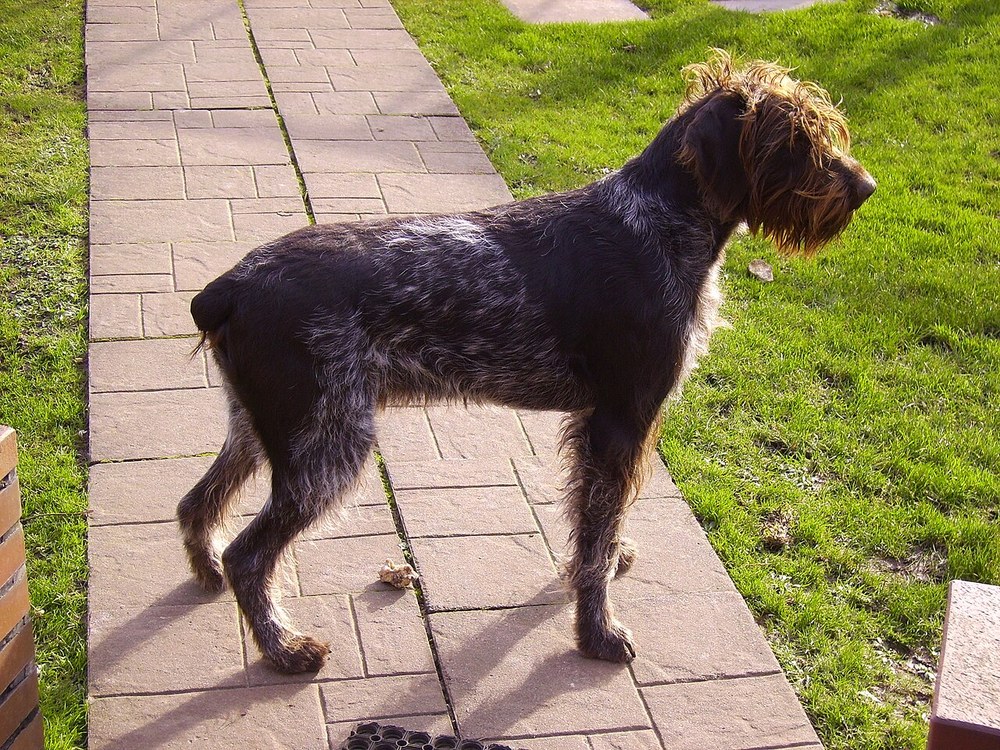
The German Wirehaired Pointer, or Deutsch Drahthaar, was developed in Germany around 1900 as an all-round hunting dog. It points birds, retrieves from water and tracks game through thick cover. That job made a tough, loyal, hard-working dog with a beard and a weatherproof coat.
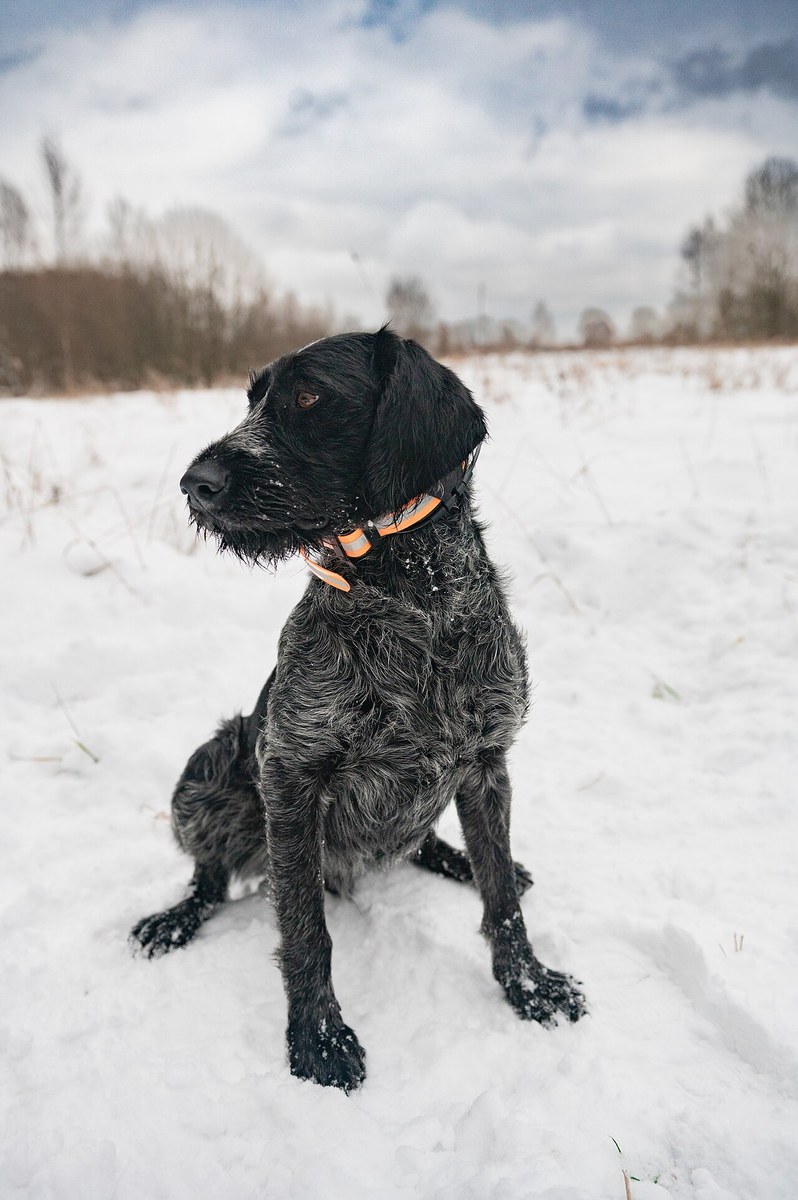
A black Wirehaired Pointer in the snow (modern photograph). The harsh coat keeps out cold and brambles.
Germany, around 1900 → all-round hunting dog
Made for rough ground
Public breed histories describe German hunters crossing several rough-coated pointing dogs to get one dog that could work in any weather and any cover.
The result was a dog that hunts close, works on land and water, and stays loyal to one family.
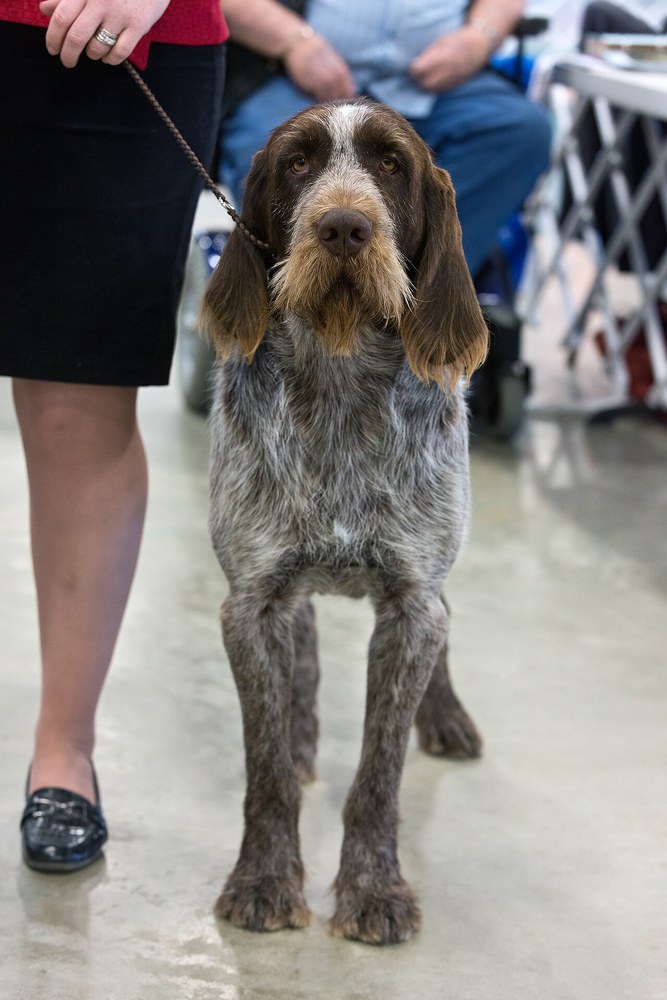
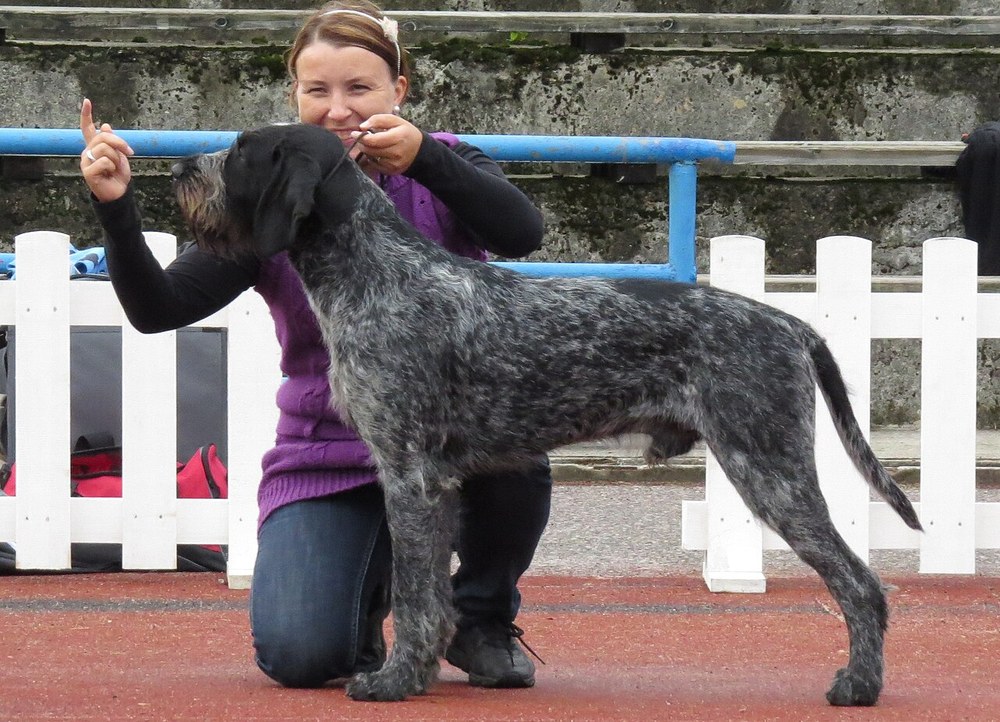
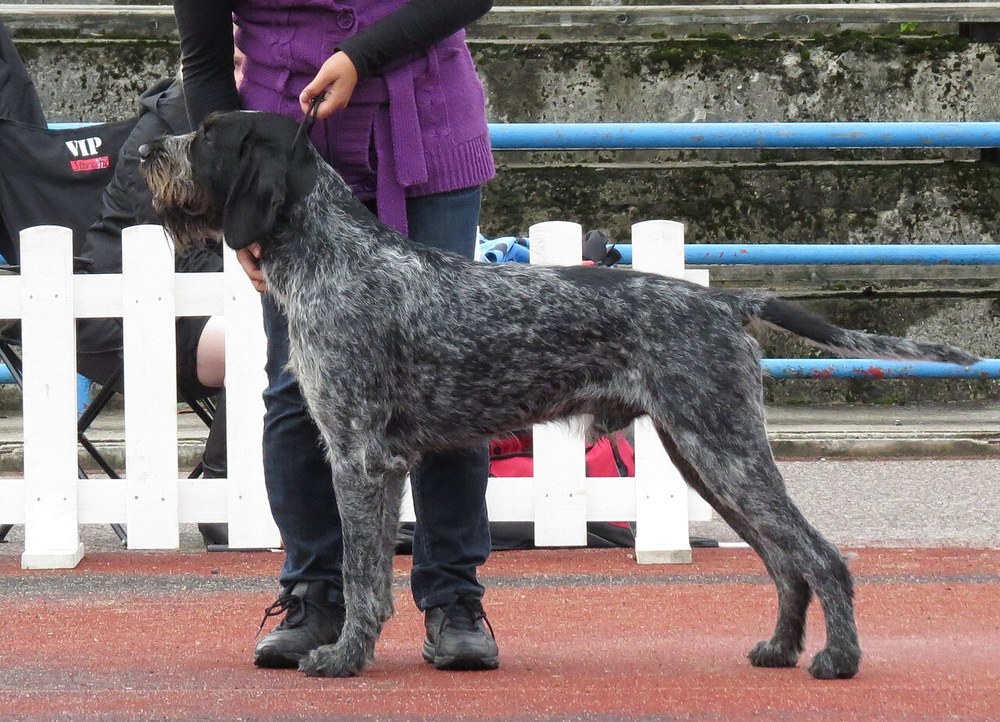
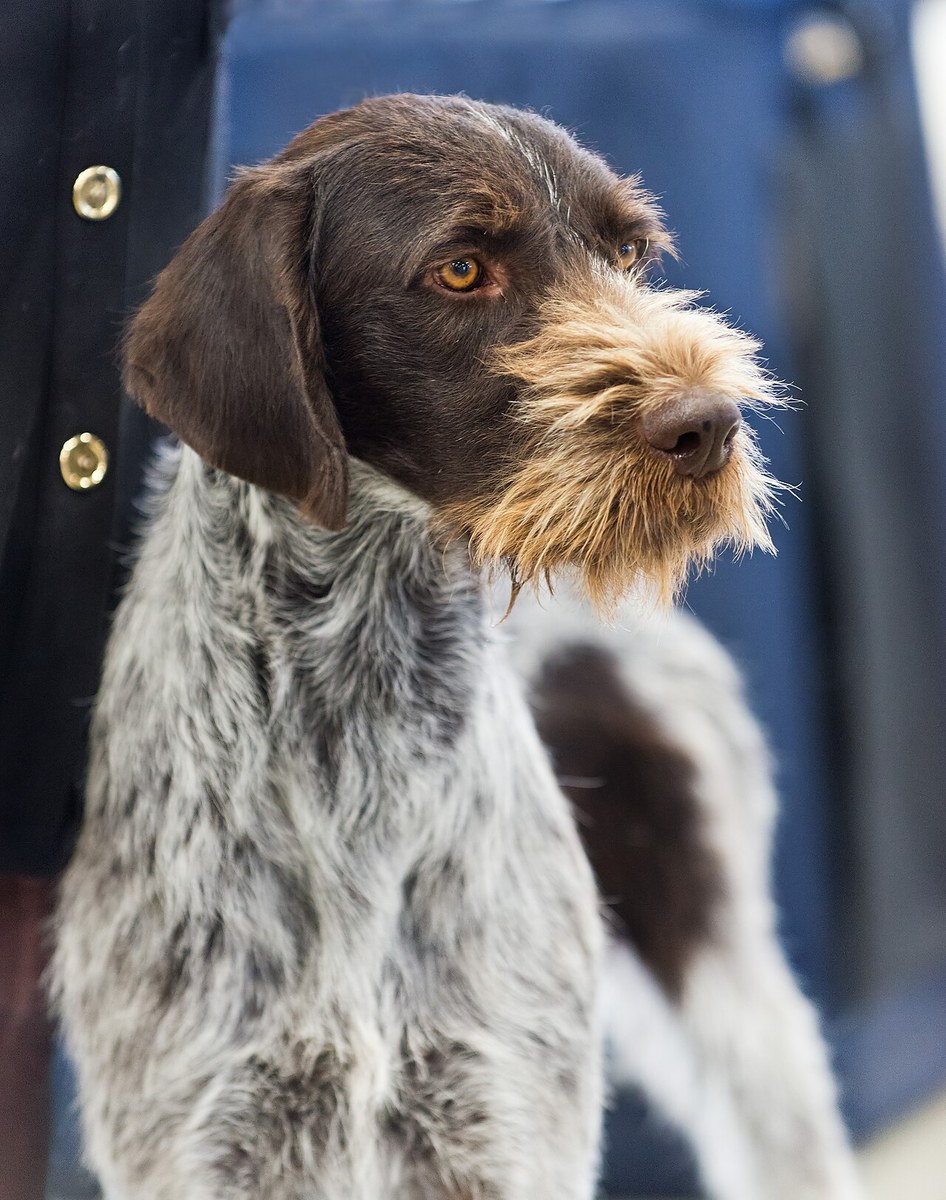
A Wirehaired Pointer at an American show (modern photograph). Many still hunt; others are family and sport dogs.
Hunting dog → family and sport dog
Still a working breed
In Germany the breed club still tests dogs in the field. Elsewhere many live as active family dogs.
Meet the parents and see how they greet strangers and other dogs, and how they settle at home.
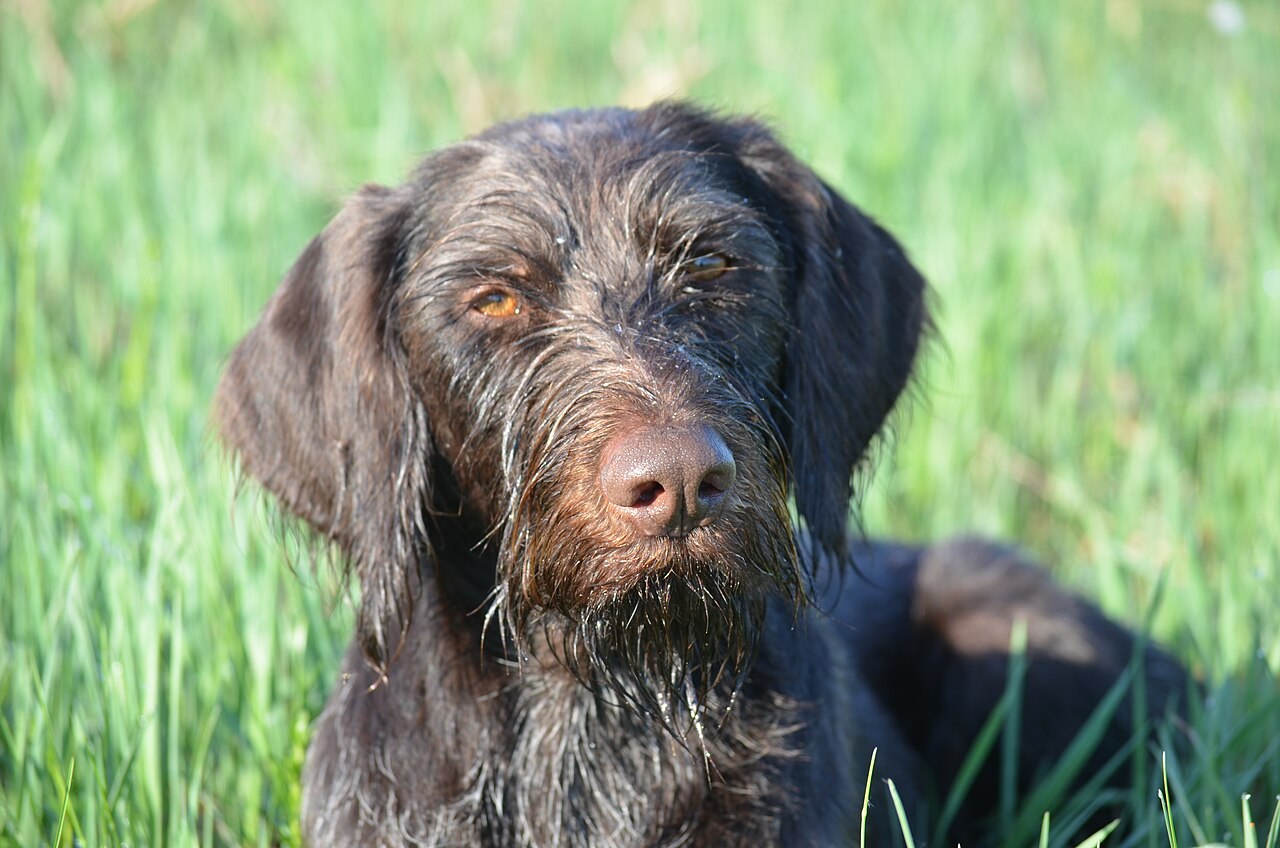
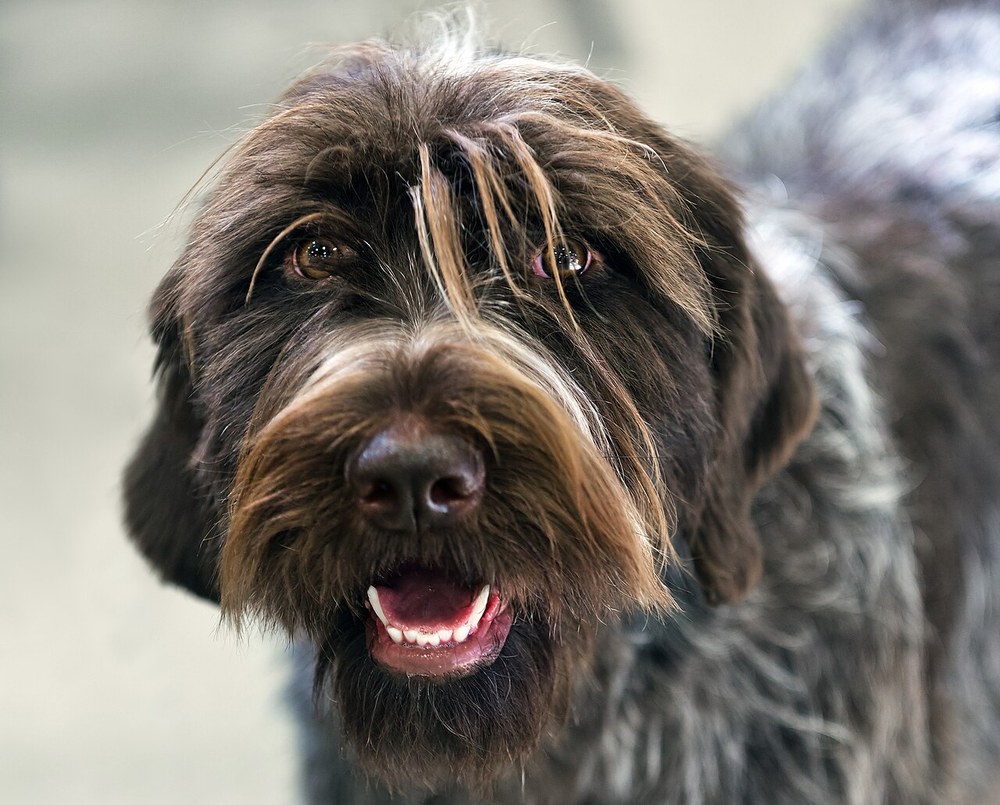
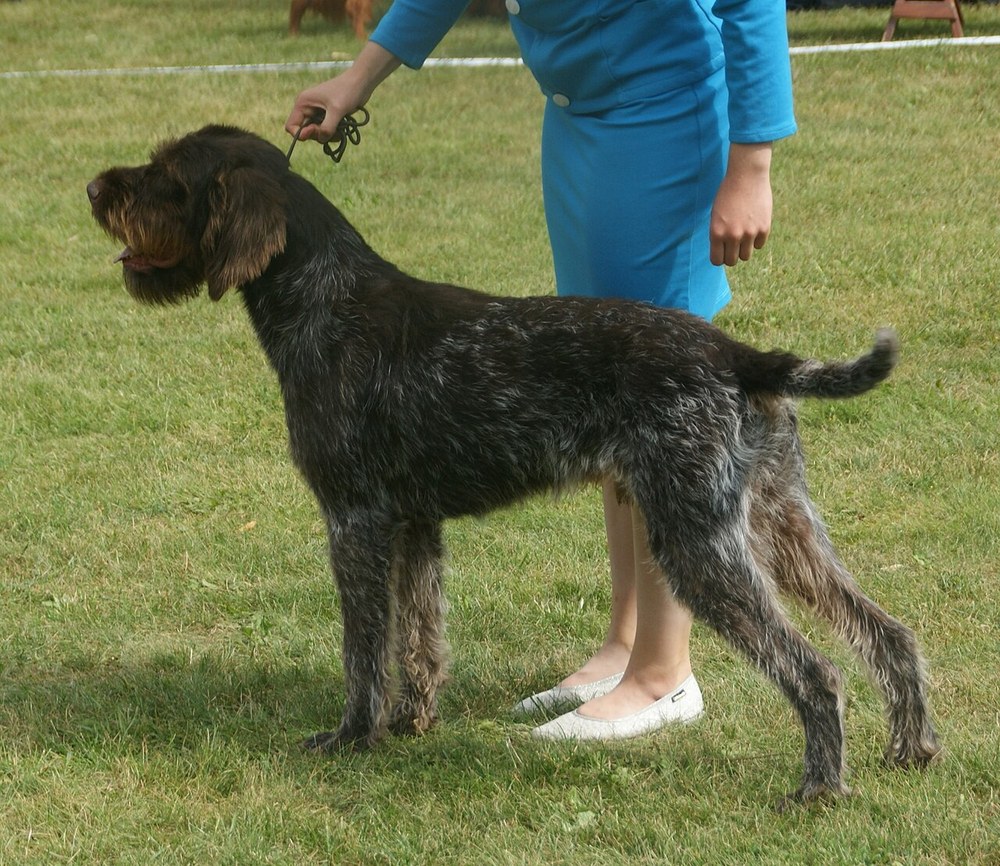
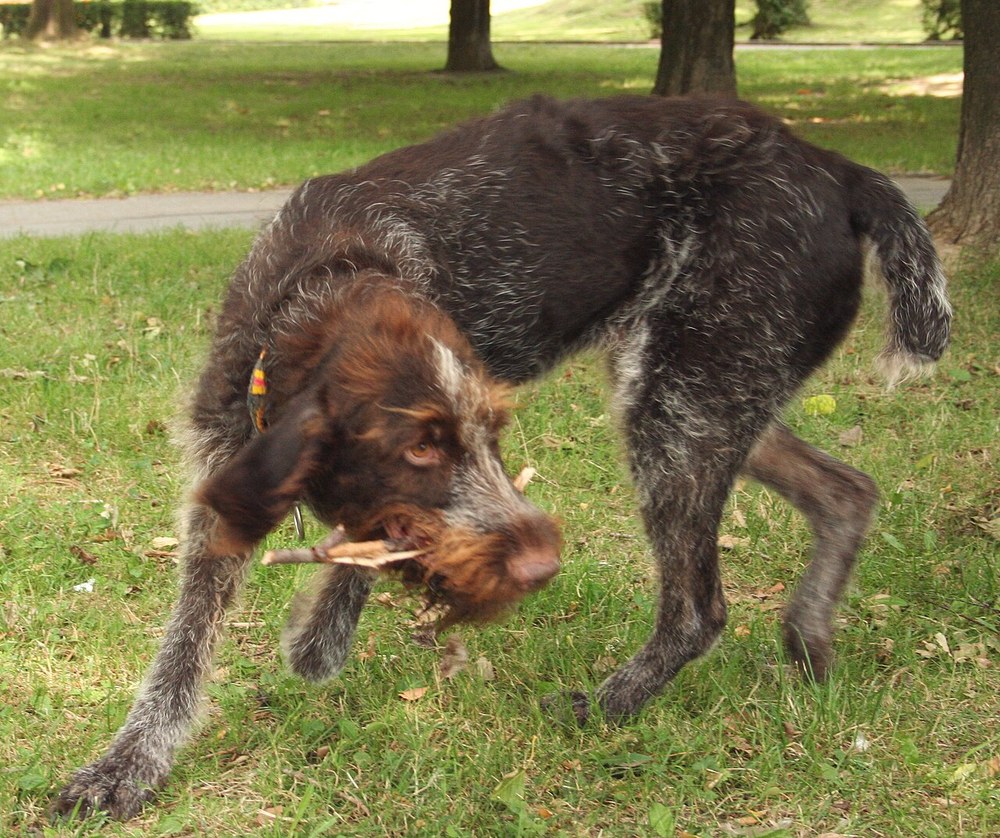
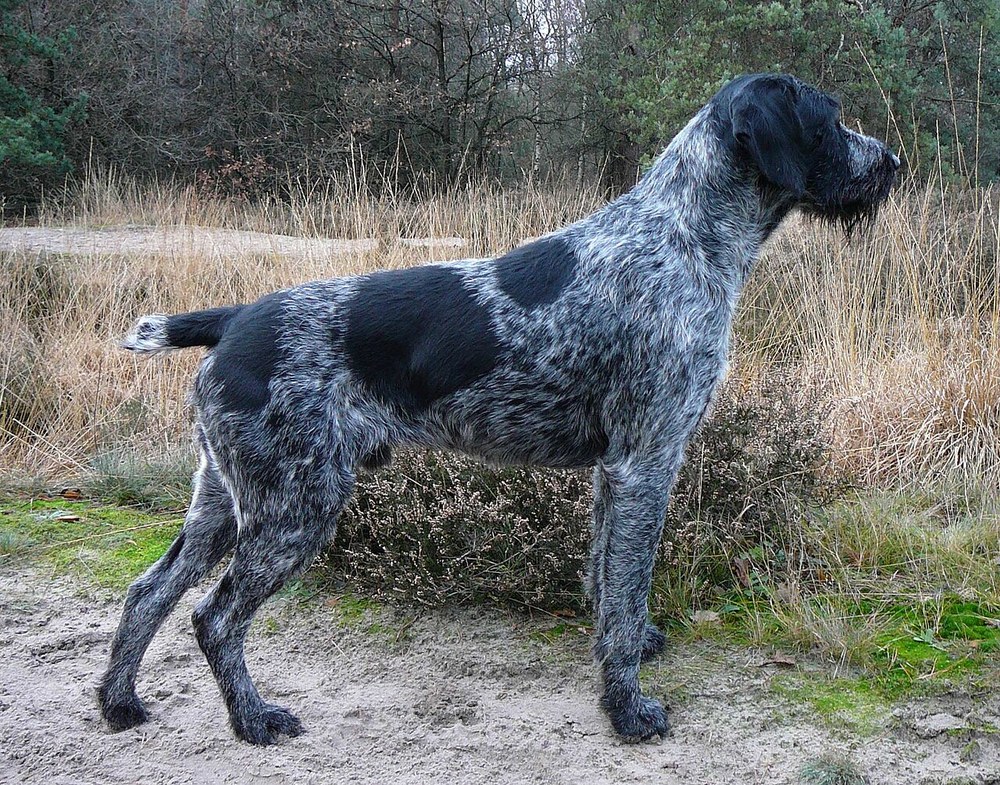
The beard and eyebrows are part of the look (modern photograph). Coats vary from tight to bushy.
What the breed was bred for
Tough, loyal and a little reserved
In plain trainer language: Wirehaired Pointers are devoted to their family, busy outdoors and often cautious with strangers.
The hard parts are chasing small animals, guarding the home, tension with other dogs, restlessness and a strong will. Daily hard exercise, early socialising and calm, clear training help most.
A trainer’s checklist, not veterinary advice. See a vet for limping, ear smell, cuts or a swollen belly after eating. For urgent signs, see
when to call the vet.
Coat
Brush weekly; some coats need light stripping.
Ears
Check for seeds and smell after field walks.
Paws
Check pads and between toes for cuts and burrs.
Weight
Keep lean and fit; feed on a steady routine.
Health screening (not a diagnosis)
Ask the breeder which screenings the national breed club recommends, including hip scores, and see results for both parents.
Toxins
I do not publish toxin amounts. Call a vet or poison-control line if the dog eats something dangerous.
Lines and types
Coat types and colours
Wirehaired Pointers are usually liver and white, liver roan or solid liver. Coats range from tight and wiry to longer and bushier.
Tight wiry coat
Flat, harsh and weatherproof.
Little grooming.
The classic look.
Same energy.
The easiest coat to care for.
Longer, softer coat
More beard and furnishings.
Holds burrs and mud.
Needs more brushing.
Same energy.
More grooming, same dog.
Socialization windows
What to introduce — and what not to overload — by age
AVSAB-aligned in spirit: short, clean exposures at a distance the puppy can still eat,
with hygiene while vaccines finish. See the
puppy socialization schedule.
8–16 weeks
Calm meetings
Introduce: many calm people, sounds and places; handling; toilet routine.
Do not overload: forcing greetings with strangers.
~5–7 months
Long-line work
Introduce: recall on a long line, trades, loose-lead walking.
Do not overload: free running near game and roads.
~9–12 months
Teenage confidence
Introduce: calm dog meetings, a door routine, settle.
Do not overload: letting guarding grow unchecked.
~1.5 years
Adult work
Introduce: hunting, tracking, canicross, long hikes.
Do not overload: running hard before growth ends without vet advice.
2 years+
Loyal adult
Introduce: refreshed socialising and recall.
Do not overload: too little exercise.
Before you buy
Who a German Wirehaired Pointer usually fits
A Wirehaired Pointer suits experienced, outdoor people who want a loyal working partner and will socialise it well.
Good match
More likely a good fit if you…
Hunt, hike or run most days
Have dog experience
Want a devoted one-family dog
Like an easy, rugged coat
Can give calm visitor routines
Mismatch risk
A German Wirehaired Pointer may be a poor choice if…
You want a dog that loves every stranger
Small pets roam freely
Daily exercise is short
Long hours alone are routine
You live in a small flat with no green space
If you are torn between breeds
German Wirehaired Pointer vs German Shorthaired Pointer and Wirehaired Pointing Griffon
Wirehaired Pointers are compared with Shorthaired Pointers and Wirehaired Pointing Griffons.
Coat
German Wirehaired Pointer
Harsh and wiry with a beard.
German Shorthaired Pointer
Short and smooth.
With strangers
German Wirehaired Pointer
Often reserved.
German Shorthaired Pointer
Usually friendlier.
Size
German Wirehaired Pointer
Medium-large, sturdy.
Wirehaired Pointing Griffon
A little smaller.
Pace
German Wirehaired Pointer
Fast and keen.
Wirehaired Pointing Griffon
Slower, works closer.
Energy
German Wirehaired Pointer
High.
Both compares
All need daily work.
Ownership without surprises
What a Wirehaired Pointer costs to keep
Prices vary by country. These are the spending themes, not figures.
Activities
Hunting, tracking or canicross clubs.
Health checks
Ask which screenings the national breed club recommends.
Training
Socialising classes and help with visitors.
Fencing
Secure garden for a chaser.
Grooming
Brushes and occasional stripping.
Insurance
Consider it early.
With a Wirehaired Pointer, time outdoors and good training matter most.
Before day one at home
What to prepare for a German Wirehaired Pointer puppy
A Wirehaired Pointer puppy is bold and busy. Start calm meetings, trades and naps early.
“With a GWP, I socialise calmly from day one. We build visitor routines, long-line recall and a settle — because a tough, loyal hunter needs clear, fair rules.”
Sessions cover real scenes: wariness with visitors, chasing, restlessness, and worry when left alone. I am a trainer, not a veterinarian. No invented reviews.
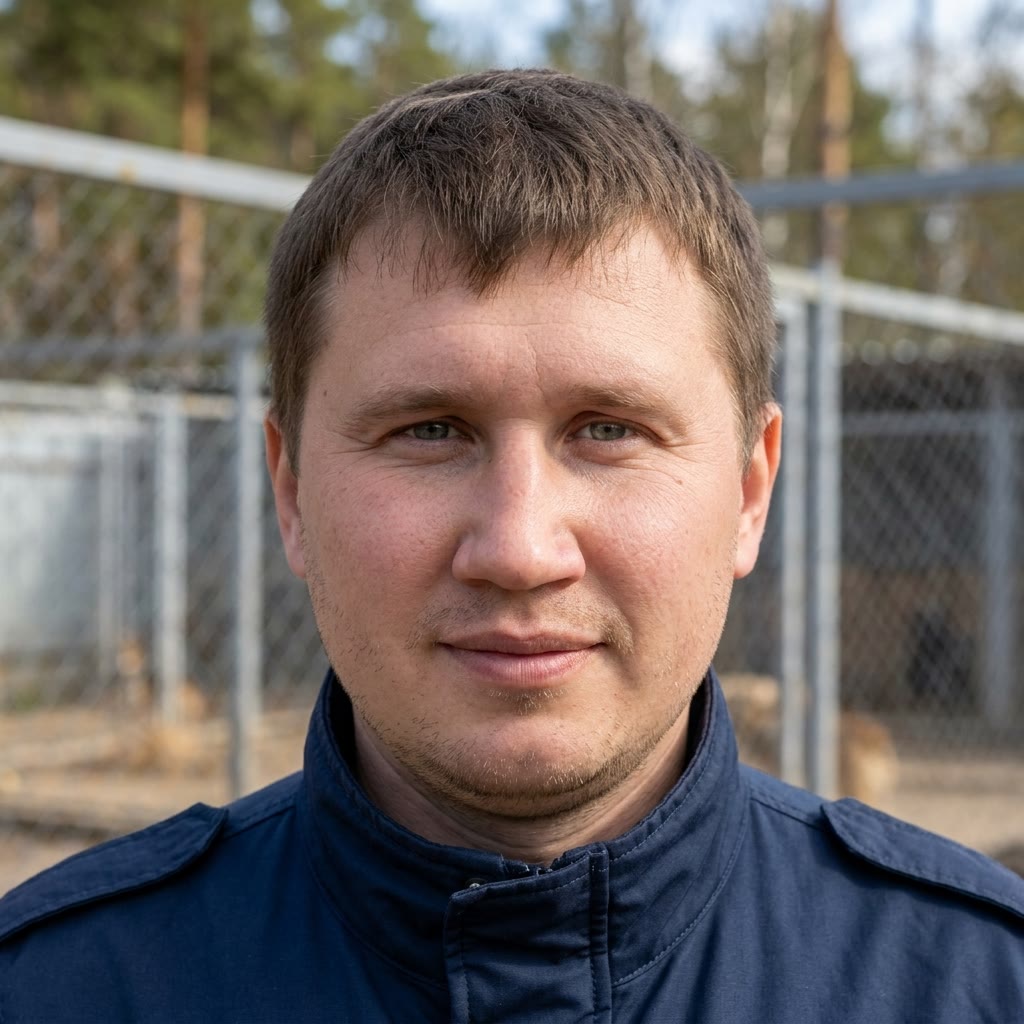
Andrew DarovProfessional dog trainer and instructor
Describe age, living setup, and where the dog breaks first — chasing, guarding the home, tension with other dogs, or restlessness. Opens WhatsApp to Andrew.
A clever, playful Canadian retriever that needs varied training, fetch games with an end and a taught settle.
Need a read on your exact situation?
Describe your German Wirehaired Pointer’s age and the scene that repeats most: chasing, guarding the home, tension with other dogs, or restlessness. We check safety first, then pick the first skill.
Written by Andrew Darov, professional dog trainer. Not veterinary advice and not a diagnosis.
Not a kennel club. No invented reviews. No vaccine schedules or toxin doses. Photo credits in
/images/breeds/german-wirehaired-pointer-guide/credits.md.