
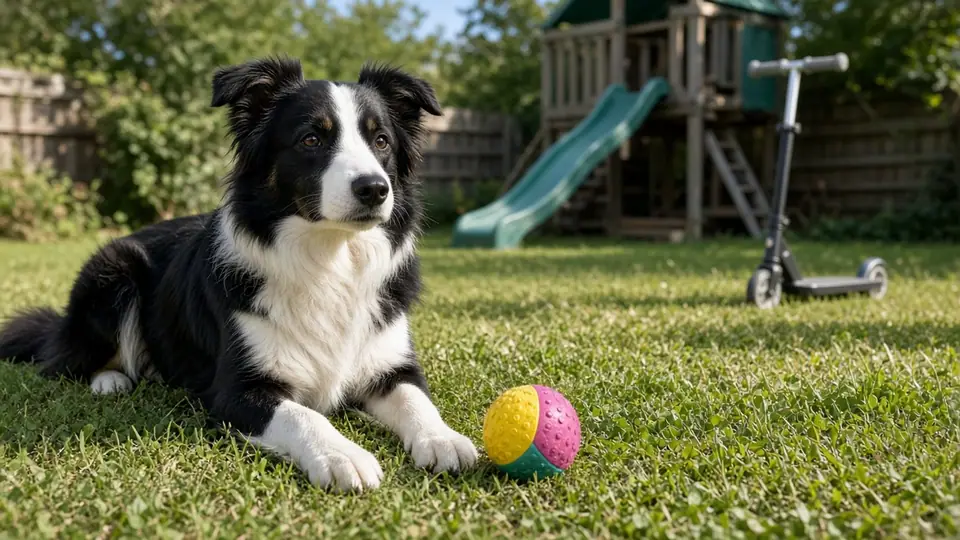
Expert Advice · Behavior · 8 min read
Herding dog nipping kids: how to stop heel nipping
Collies, shepherds and corgis often chase and nip running children because movement switches on herding. Separate the dog during wild games, teach children to stand still, give the dog a toy to chase instead, and get help if nips become bites.
If your herding dog nips your kids, running children are switching on its chase and herding urge. Many collies, shepherds and corgis circle, stare and nip at heels or clothes when children run and squeal. Separate the dog during wild games, teach children to stand still, give the dog its own toy to chase, and build calm around the family. Puppy mouthing at any age has its own page, puppy biting and nipping; this page covers heel nipping at moving children.
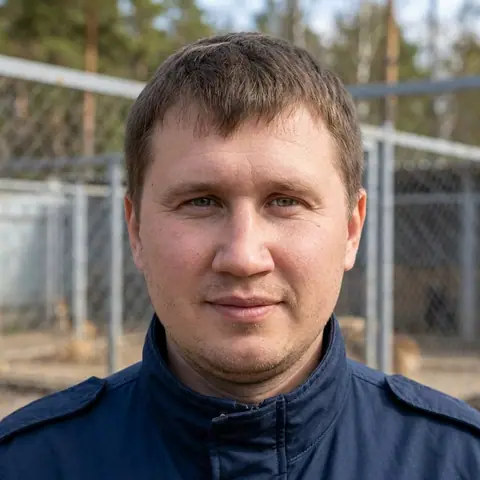
I am Andrew Darov, a dog trainer. I am not a veterinarian. This is a behavior page about herding dogs and children.
Why do herding dogs nip at children’s heels?
Herding dogs were bred to control moving animals. A running, squealing child looks like something that needs to be stopped and gathered.
Breeds like the Border Collie, the Australian Shepherd and the Pembroke Welsh Corgi were bred to stalk, chase and nip stock to move it. In a family home, the moving stock is often the children. Fast feet, screams, swinging arms and running in circles all make the urge stronger.
For most dogs this is excitement and instinct, not anger. The dog is not trying to hurt the child. But a nip on the heel still hurts and scares children, and each chase that works makes the next one more likely. So the job is to stop the chase from happening while you teach the dog something else to do.
Is nipping a sign of aggression?
Usually not, but watch the details. Herding nips happen when children move and stop when they are still. Nips that come when the child is still, near food or toys, when the dog is touched or cornered, or with growling, a stiff body or hard staring are a different problem. Keep the dog and children apart, ask your vet to rule out pain, and get help from a qualified trainer or behaviour professional.
How do you stop a herding dog nipping kids?
- Separate during wild games. When children run, chase, play tag or have friends over, the dog goes behind a baby gate or into another room with a chew. This is the most important step. The dog cannot practise chasing children if it is not there.
- Teach children to stand still. Teach a simple rule: if the dog chases or nips, stop, stand like a tree, fold your arms and look at your feet. Practise it as a game with the children first, without the dog. Then an adult calmly moves the dog away.
- Give the dog its own chase game. Run short, planned sessions with a toy on a rope or a ball the dog can chase and grab. Only an adult plays this game, away from running children. The herding urge gets a safe target.
- Add calm breaks. Teach the dog to lie on a mat or bed with a chew while the family is busy. Reward it for staying there. A dog that can switch off is easier to live with around children.
- Reward calm around children. With an adult holding the lead, let the dog watch children moving at a distance. Reward calm looking. Move a little closer over many sessions, and only if the dog stays relaxed.
What rules should children follow?
Keep the rules short enough for a young child to remember:
- Stand like a tree if the dog chases or nips.
- No running games with the dog in the room.
- The dog’s bed is a no-go zone. Leave the dog alone when it is resting.
- Only adults play chase and tug with the dog.
- Tell an adult every time the dog nips.
More on setting up a home with children and visitors is on children and guests.
How much exercise does a herding dog need?
Plenty, but more running is not the whole answer. Many herding dogs get more wound up with endless ball throwing. Mix walks and sniff time with short training sessions, a chase game that has clear start and end signals, and calm time on a mat. A dog with nothing to do all day will find its own job, and children make an easy one.
Should a herding dog be punished for nipping?
No. Shouting, grabbing or pinning the dog adds more excitement or fear and can make nips harder. Calm management works better: stop the game, move the dog away, and set up the next game so the dog does not get the chance to chase.
What are the usual mistakes?
- Letting children and the dog play chase together. Every chase makes the next nip more likely.
- Telling children to run away from the dog. Running is the trigger.
- Only adding more ball throwing. A fitter, more excited dog can nip more, not less.
- Leaving the dog and young children alone. An adult watches every time.
- Ignoring nips that happen when the child is still. That is not herding; get professional help.
Heel nipping in herding dogs stops with management first and training second. Keep the house rules in children and guests, handle mouthy puppies with puppy biting and nipping, and read your dog’s breed guide, such as the Border Collie or the Australian Shepherd. More on the behavior hub.
Questions on this page
Why does my herding dog nip my kids?
Running, squealing children look like moving stock to many herding dogs. The dog circles, stares and nips at heels or clothes to control the movement. It is usually excitement and instinct, not anger, but it still has to stop.
Is it safe to let a herding dog play with children?
Only with an adult watching and only calm games. Running and chasing games between dogs and children should stop until the nipping is under control. Young children and dogs should never be left alone together.
What should my child do when the dog nips?
Stop, stand still like a tree, fold arms and look away. Running and screaming make the chase more exciting. Then an adult calmly moves the dog away behind a gate.
Will a herding toy stop nipping?
A toy the dog can chase and grab gives the herding urge a safe target. It helps a lot when it is used in planned sessions with an adult, away from running children.
When should I get professional help?
If nips break skin, leave bruises, happen when the child is still, or come with growling, stiffness or guarding, keep the dog and children apart and get help from a qualified trainer or behaviour professional, and ask your vet to rule out pain.
Work with me
A $150 consultation or $500 monthly curatorship. Opens WhatsApp to Andrew.